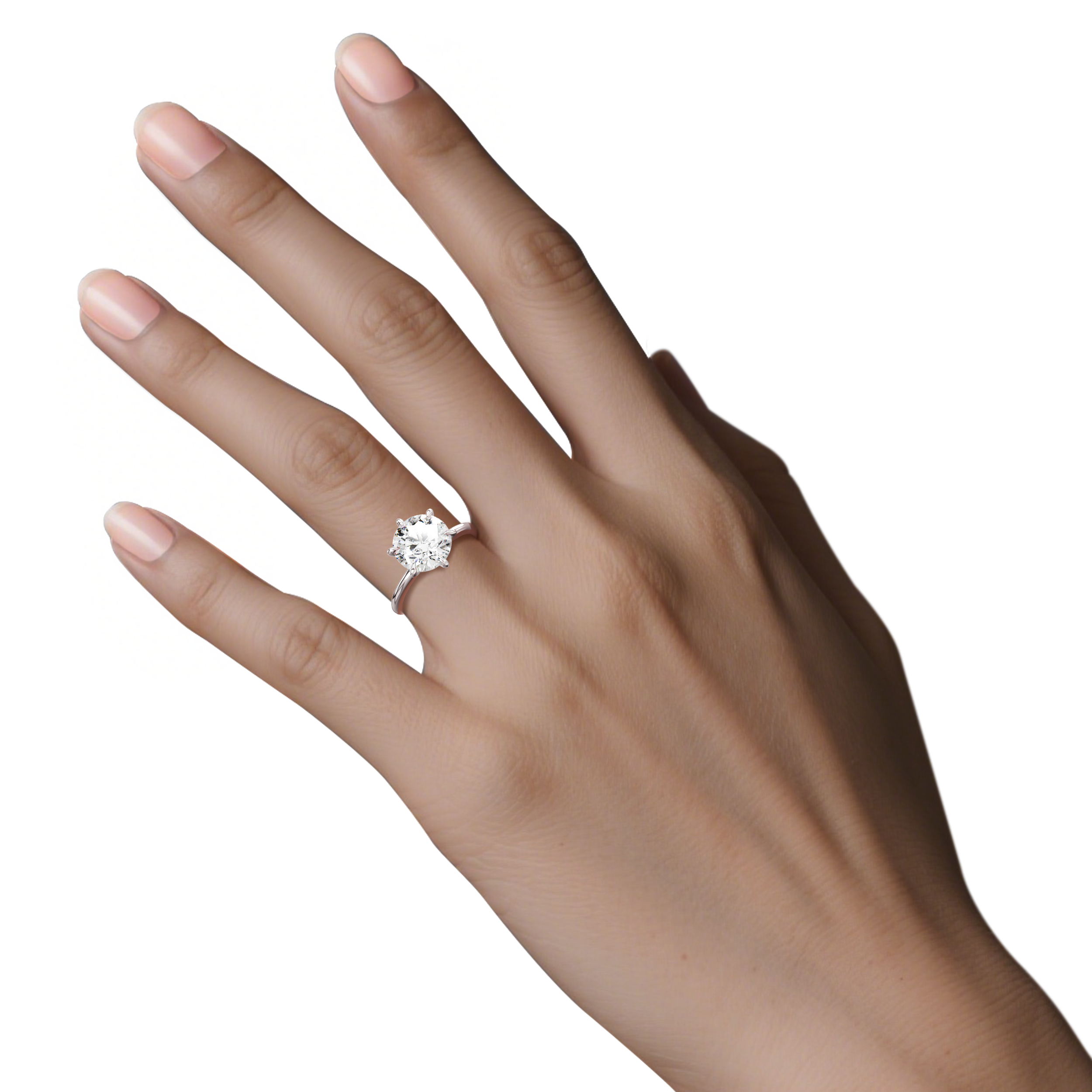
Introduction: The Choice at the Counter
You need a clear verification stack before you pay. Lab grown diamond jewelry adds choice, speed, and value to that decision. An igi certified diamond report is meant to simplify the call, yet most buyers still glance at the 4Cs and stop there (sawa?). In Nairobi or Nakuru, the scene is the same: bright lights, quick talk, a promise of “best cut.” Industry checks show many shoppers never match the laser inscription, and even fewer ask about fluorescence or growth method. That gap leads to doubt—was the stone scanned, or only skimmed? The terms can feel heavy: HPHT vs CVD, pavilion depth, light return. But the goal is simple. You want proof that the stone in hand is the stone on paper. You also want to know how it will sparkle in real life, not just in a display case. So, how do you reduce risk without slowing down the moment? Let’s move from guesswork to clean, comparable steps.

Hidden Gaps in the Old Buying Playbook
Is the certificate enough?
Earlier, we covered the basics—report, shape, price. Here is the deeper layer. A certificate is a baseline, not an endpoint. Old habits fixate on carat and clarity. They skip a key link: matching the laser girdle inscription to the report number. They also miss growth disclosure. HPHT and CVD leave different inclusion patterns; you can see them under loupe if you know what to seek. Fluorescence can lift or mute brilliance under UV. And cut is not a single grade; it lives in crown angle, pavilion angle, and symmetry. Look, it’s simpler than you think. Check inscription. Confirm growth method. Read proportions, not just “Excellent.”
Another pain point is tool-blind buying—funny how that works, right? Many stores have a simple light performance viewer or a basic spectrometer. Few invite you to use it. Ask anyway. A quick ASET/Hearts image shows light leakage versus return. It’s a fast filter on fire and scintillation. Also, beware “too white” showroom lighting; it hides leakage and masks medium-to-strong fluorescence. Do a pocket-torch test at the counter edge. Compare two stones side by side, same color and size, then step three paces back. Human vision likes contrast. A diamond with cleaner symmetry often beats a bigger carat with sloppy proportions.

What’s Next: Smarter Verification for Calm Buyers
Real‑world Impact
Now, think forward. New retail tools follow clear technology principles. QR-linked reports let you verify data on your phone, then match the laser inscription in seconds. Some labs include growth trace data for igi certified lab grown diamonds, which maps batch and method. Portable devices can read the inscription and display proportions—table, depth, angles—on a small screen. Even a simple diffuse-light box reduces glare and reveals symmetry issues. The point is not to become a gemologist. It is to lean on low-friction checks that confirm identity and light behavior—without slowing your day.
So, how do you choose well, today and tomorrow? Compare workflows, not only stones. Legacy buying says “trust the paper.” The newer way says “verify the match, then test the sparkle.” Here are three practical metrics to guide you: 1) Identity assurance: laser inscription match plus digital report authentication; 2) Cut precision index: consistent crown/pavilion angles and minimal light leakage on a quick ASET or hearts-and-arrows check; 3) Performance stability: neutral-to-faint fluorescence and solid brightness under mixed lighting. Summed up, the lesson is plain—reduce uncertainty where it hurts most, at the counter and in daily wear. And if you find a store that welcomes side-by-side tests and simple tools—stick with it—funny how trust grows when the process is open. For steady guidance across these steps, you can always look to Vivre Brilliance.