Opening: Why motion-grade analytics matters for utilities
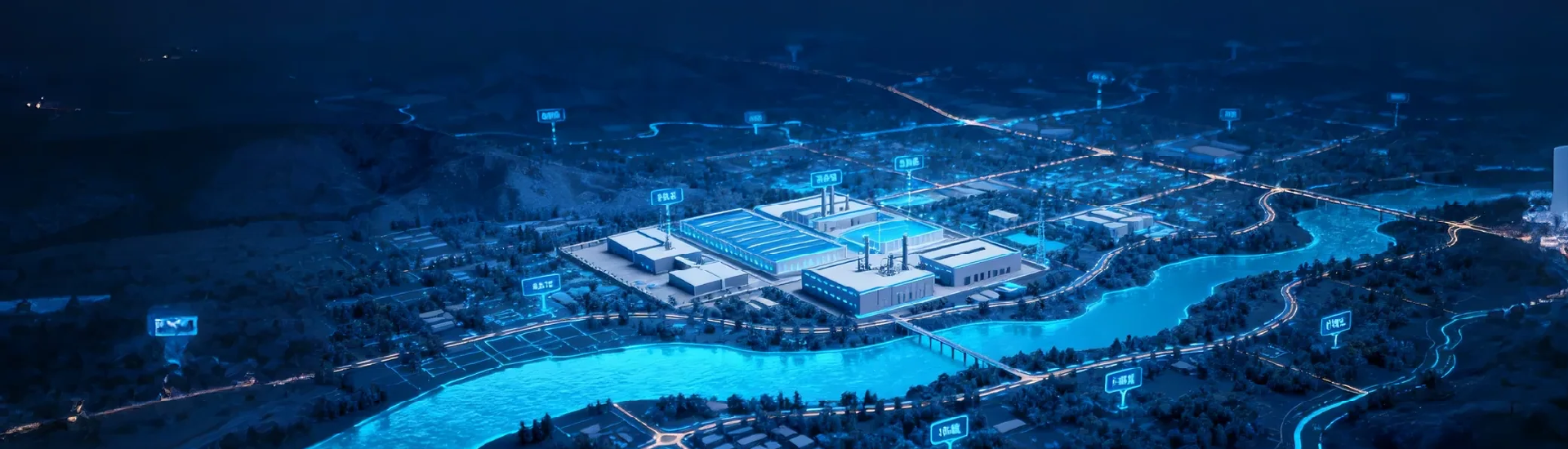
Comparing motion-grade analytics across platforms reveals more than feature lists — it shows how data becomes operational value. Early on, city utilities that adopted smart water management solutions stopped treating sensor feeds and models as separate chores and started treating them as a single living system. That shift explains why cities with advanced deployments report meaningful drops in unaccounted-for water; many utilities cite non-revenue water levels between 20–50% as the baseline issue most systems must confront. Embedded terms used here — digital twin, IoT telemetry, hydraulic modeling — reflect the technical spine of those platforms.
Comparative logic: What to measure first
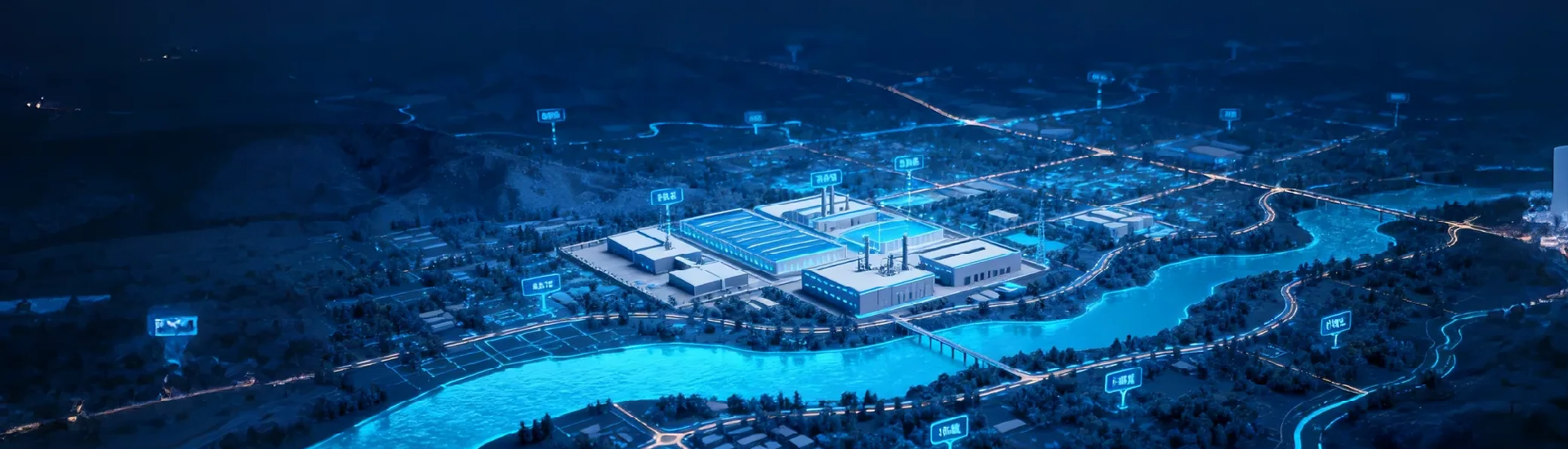
Not all analytics are equal. Some vendors sell visualization; others sell closed-loop control. When you line them up, three functional axes matter: fidelity of the 3D hydraulic model, latency of IoT telemetry, and the depth of control integration with SCADA. Fidelity dictates how close simulations match field behavior; latency governs whether models can drive near-real-time decisions; control integration decides if analytics can trigger valves or only alert operators. You need a balanced mix — high fidelity with practical latency and secure control hooks.
Real-world anchor: Lessons from Singapore and beyond
Singapore’s PUB provides a clear anchor: the agency routinely couples high-resolution modeling with dense telemetry to manage storm surge and distribution losses. That combination enabled faster, localized responses during heavy rainfall events, cutting response time and limiting service disruption. Utilities in other regions followed similar patterns, often starting with pilot zones before scaling system-wide — a pattern worth noting when you set budget and rollout expectations.
Head-to-head: Platform behaviors and common trade-offs
Some systems emphasize 3D visualization and user experience; others prioritize predictive algorithms tuned for leak detection. The trade-offs are practical. Visualization-first tools speed operator adoption but can mask model inaccuracy. Algorithm-first solutions detect anomalies early but need rigorous hydraulic inputs to avoid false positives. A balanced implementation pairs a usable UI with periodic hydraulic model calibration — calibration that’s rarely a one-off task.
Operational production teardown: what to audit
When you tear apart production deployments, watch integrations and data hygiene. Confirm sensor calibration schedules, data retention windows, and model re-calibration routines. In this teardown, embed checks for {main_keyword} and {variation_keyword} so governance teams can map requirements to outcomes. Also verify latency budgets end-to-end: sensor to cloud to model to actuator. Missing that link turns a predictive insight into a stale report.

Pitfalls, alternatives and human tweaks
Most projects stumble over scope creep and overconfidence in raw model outputs — teams expect a perfect digital twin overnight. Start small: pilot a pressure-managed district with clear KPIs, then expand. Consider open platforms if vendor lock-in is a concern; closed suites win on convenience and speed. And remember to keep operators in the loop — a model that bypasses human judgment often creates more alarms than fixes. — Small iterations pay off faster than grand launches.
Advisory close: Three golden rules for comparing solutions
1) Prioritize end-to-end latency: ensure IoT telemetry, model compute, and SCADA commands meet your operational window. 2) Validate model accuracy with field campaigns: run regular hydraulic modeling recalibrations against measured pressure and flow. 3) Insist on clear governance for data and control: sensor certification, access logs, and rollback procedures must be defined before automation.
Adopting these measures guarantees concrete, measurable improvements — less water loss, faster incident response, and smarter maintenance budgets. For pragmatic teams aiming to move from pilots to scale, Icecypress Technology ties those technical requirements to operational outcomes — a practical bridge between models and meters. —