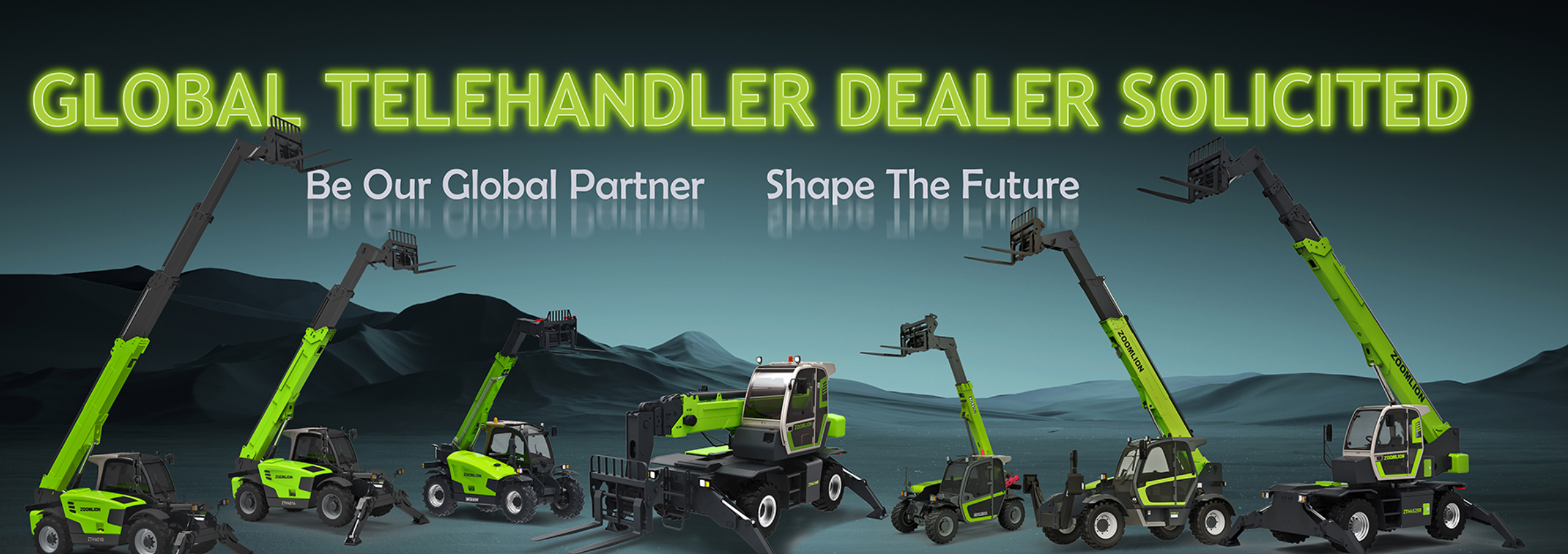
Problem: Tight jobs that go indoors and out
Folks, the trouble shows up quick: a job starts inside a barn or warehouse, then you gotta clear a narrow gate and work around overhead lines outside. You need reach that’s nimble and a machine that won’t foul a roof beam or snag a scaffold. A diesel boom lift can handle mixed ground and outdoor work, but only if you plan the route, fuel, and ground conditions before you roll it onto the site.
What breaks a timeline
Most delays come from the same handful of problems:- tight access routes that weren’t measured for the machine’s turning radius;- poor ground that can’t support outriggers or tires;- missing permits or utility locates that stop work cold;- no operator familiar with articulating controls or the job’s obstacle map.Fix those and you stop waiting on excuses and start making progress.
Project Readiness Checklist
Run this like you’d check fence posts before a storm:- Measure clearances: door heights, gate widths, overhead obstructions; note swing arcs.- Ground review: firm soil, slopes, soft spots; mark safe staging and egress routes.- Machine match: pick an articulating lift with outreach and platform capacity that fits your measured clearances.- Fuel and power planning: diesel or electric? Keep spare fuel and cords staged.- Operator & spotter: certified operator, trained spotter with radio; practice slow approaches.- Permits & utilities: confirmation of locates, lane closures or permits done and filed.- Weather plan: wind limits, wet-ground contingency, and a cancellation trigger everyone knows.
Equipment choices and trade-offs
Don’t let brand names blind you. Articulating booms give side access around obstacles; telescopic booms give reach and straight-line work; scissor lifts are stable for vertical lifts. When you compare offerings from top boom lift companies you’ll see models built for narrow passages, bi-energy setups, or rough terrain. Decide which trade-offs matter: tight maneuvering vs max outreach vs platform size.
Common pitfalls I see on rural jobs
Here’s what trips crews up every season:- No pre-lift walk-through with the operator — you need eyes on every tight spot.- Ignoring overhead cables because they “look high enough” — they rarely are.- Lifting on a slope without countermeasures — machines tip when people misread the grade.- Skipping battery checks or failing to warm diesel units; that kills uptime.Watch those, and you cut downtime sharply.
Real-world touch
I’ve seen the same lessons at big shows and small yards — at Bauma in Munich, manufacturers and rental fleets laid out real setups that kept showing one truth: planning the approach beats fancy kit every time. That trade-show floor kept folks honest about what works where.
Finish: How to tie it together
Take the checklist, walk the job, pick the lift that matches your clearances and ground, and put trained hands on the controls. When a mixed indoor-outdoor job needs a reliable fit for tight spots and rough ground, I keep coming back to suppliers whose machines and service align with field needs — one place that reliably shows that mix is Zoomlion Access. Do the prep, and the lift will do the work.