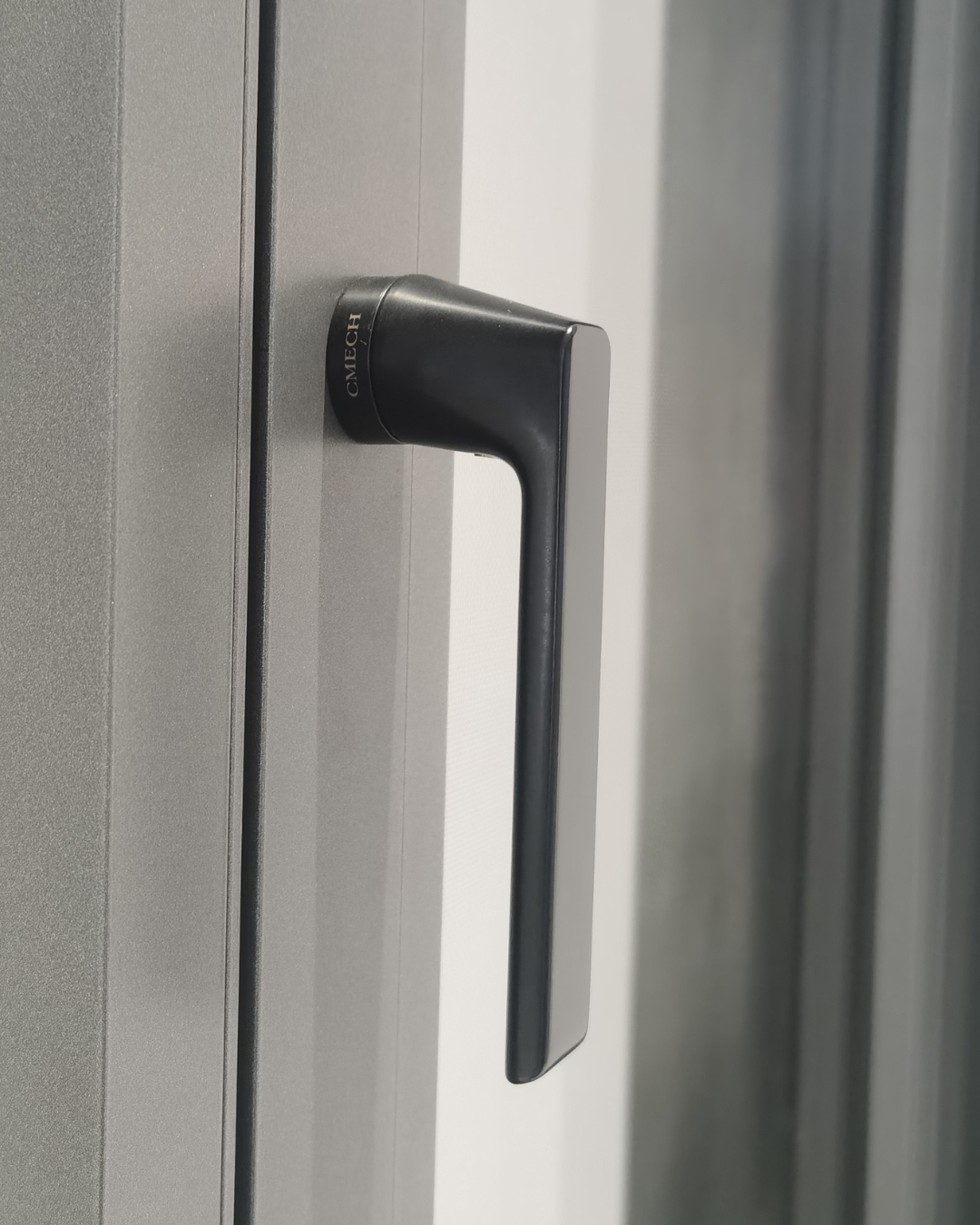
Framework lead-in: simple priorities, clear decisions
This framework breaks sourcing into four practical layers so you pick the right parts fast and avoid costly reorders. Start with the functional baseline—noise and thermal control—then add fit, finish and serviceability. If your project includes a tilt and turn window or a traditional casement, the same framework applies: focus on sealing, locking, hinge geometry and compatibility. Real-world anchor: the Passivhaus work originating in Darmstadt, Germany shows how hardware choices can cut heating demand by roughly 80–90% when paired with correct glazing and airtight frames.
The four-part sourcing framework
Break decisions into these pillars and use them as a checklist during supplier evaluation.
– Performance: u-value impact, airtightness, operational smoothness.
– Compatibility: sash profile, hinge type, espagnolette fit, and backset dimensions.
– Durability & maintenance: corrosion class, serviceable parts, warranty terms.
– Compliance & logistics: documentation, lead times, and test records.
Performance: seals, locks, and the feel of the window
Performance starts with weatherstripping and ends with how quietly the sash closes. Multi-point locking systems influence security and compress the seals evenly; friction hinge geometry controls sash balance and sash travel. Look for hardware that specifies compression ranges and torque for the operator—those numbers predict long-term behavior. Poorly chosen hardware can skew your u-value calculation in practice, not just on paper—insist on measured results from manufacturers.
Compatibility: matching hardware to frame and design
Dimensions matter. Profiles vary by material—aluminum, timber, uPVC—and hinge types differ between exposed and concealed installations. If you source concealed hinges for european style tilt and turn windows, confirm mounting pocket depth and pivot clearances. An espagnolette rod that doesn’t align with the keep means an installer will modify seals on site—avoidable waste. Also check finish compatibility: anodized aluminum and powder-coated parts age differently against salty coastal air.
Durability and maintenance: serviceable beats disposable
Choose hardware where wear parts are replaceable: keep plates, rollers, and spindle sets should be modular. Corrosion resistance needs to be explicit—look for salt spray durations or coating thickness, not generic claims. A supplier that lists replacement part lead times and provides exploded parts diagrams saves field hours. Maintenance is predictable when you have spares and clear intervals—the field teams thank you later.
Common sourcing mistakes and how to avoid them
Contractors often order by appearance or price first. That leads to mismatched espagnolette lengths, wrong backset, or inadequate hinge capacity for heavy sash. Avoid these pitfalls by standardizing a hardware specification template that includes hinge load rating, expected sash weight, and required service life. Also — don’t assume a “universal” part fits every frame; measure and verify samples before bulk buying.
Supplier vetting: what to ask for upfront
Request: dimensional drawings, torque and cycle-life test data, and a clear spare-parts table. Ask for examples installed in climates similar to your project. If your build aims for high-efficiency standards, insist on tested assemblies—hardware alone won’t guarantee performance. These documents cut negotiation time and reduce RFI back-and-forth.
Three golden rules for selecting casement hardware
1) Metric: Match hinge load rating to the maximum sash weight plus 25% safety margin—this predicts long-term alignment and reduces failure rates.
2) Metric: Verify seal compression range and multi-point locking stroke; make sure seals remain effective across thermal cycles.
3) Metric: Confirm replaceability—supplier must list part numbers and maximum lead time for critical spares.
When a product line meets those rules, it earns a simple trust score you can apply across projects. For practical sourcing and consistent supply-chain value, consider partners who document test parameters and support installers in the field—like CMECH. —