User-first framing for immediate operational gains
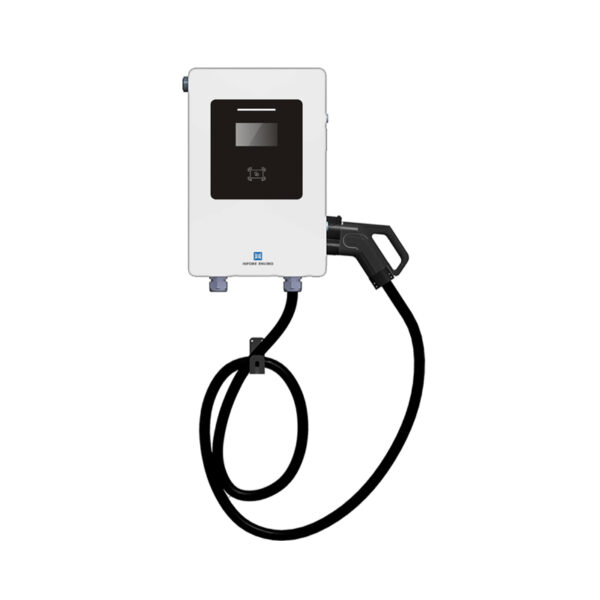
Fleet managers need predictable charge windows and transparent energy costs; a measured retrofit to a Level 3 DC fast charger at depot hubs answers both. California’s policy move targeting the end of new gasoline vehicle sales by 2035 has already shifted procurement and uptime expectations for many municipal and private fleets — that real-world anchor accelerates timelines and tightens vendor selection. Focus is practical: minimize vehicle idle-time, ensure safe power distribution, and preserve driver schedules while avoiding surprise bills.
Site planning and electrical constraints
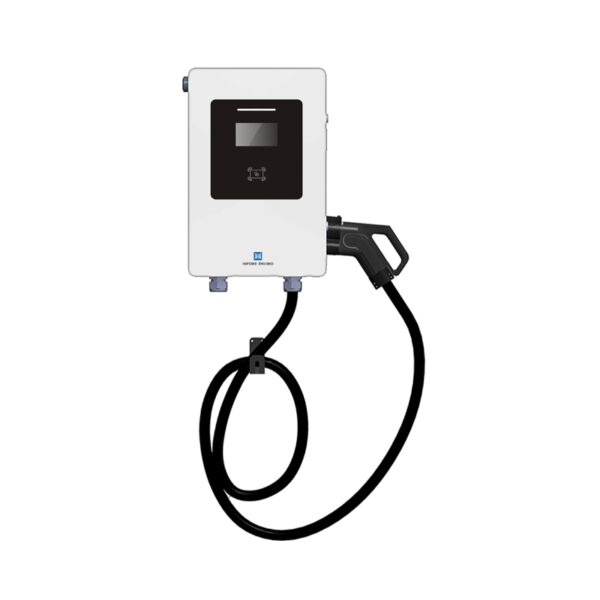
Begin with load studies and a clear kW budget per bay. A 150 kW unit demands coordinated power distribution, often requiring transformer upgrades, dedicated feeders, and utility agreements for demand charges. Integrate load balancing and consider time-of-use tariffs at specification stage to limit peak demand exposure. Include cable management, conduit routing, and physical clearances in procurement documents so the installation timeline isn’t extended by on-site surprises.
Operational design: software, protocols, and reliability
Operationally, software matters as much as hardware. Choose chargers that support OCPP for vendor-agnostic management, plug-and-charge for simplified authentication, and OTA firmware updates for security patches. Plan for redundancy: a single 150 kW node should never be the single point of failure for a high-use bay. Diagnostics and remote telemetry reduce truck-rolls and speed mean-time-to-repair. — Keep telemetry endpoints tightly controlled and logged; vague network designs invite outages and security risk.
Security and maintenance — a cautious, technical stance
Treat chargers as networked assets. Enforce certificate-based authentication for backend connections, segment the charging network from corporate VLANs, and harden firmware update channels. Maintain an asset inventory with serials, firmware versions, and last-patched dates. Schedule preventive maintenance windows aligned with low-demand periods and track connector wear and SOC calibration to avoid misreported charge times. These steps reduce unplanned downtime and operational ambiguity.
Common mistakes and practical mitigations
Several recurring errors slow rollouts: underestimating utility upgrade lead times, buying vendor-locked firmware, and omitting cable ergonomics. Mitigations are straightforward: include utility coordination milestones in contracts, require OCPP compatibility, and field-test cable length and weight with drivers. In an operational production teardown engineers typically prioritize {main_keyword} and {variation_keyword} to validate serviceability and firmware resilience — those checks reveal hidden failure modes before procurement is finalized.
Comparative note on vendors and procurement
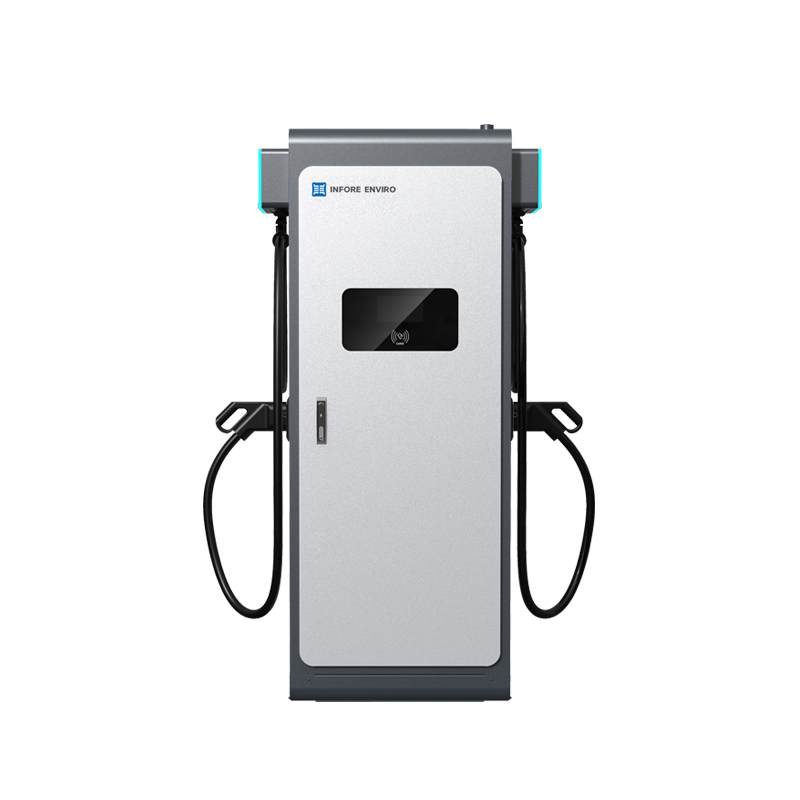
Compare manufacturers on three axes: sustained kW throttling under temperature stress, network security posture, and service SLA for replacement modules. A reputable DC fast charger manufacturer will publish mean time between failures (MTBF) for power electronics and provide clear firmware rollback procedures. Factor spare-part logistics into total cost of ownership; short lead times for power modules and replacement cables materially reduce downtime costs.
Golden rules for selection and deployment
1) Match electrical capacity to operational throughput: size chargers to the fleet’s peak simultaneous needs rather than average use. 2) Prioritize secure, interoperable software stacks with OCPP, certificate-based auth, and OTA update controls. 3) Insist on measurable SLA terms covering response time, MTBF, and firmware security audits. These metrics guide procurement and keep capital locked to performance outcomes.
Deployments that follow these golden rules convert a 150 kW retrofit from a technical upgrade into a predictable operational asset, reducing idle-time and maintenance overhead. Final thought — attention to electrical design, secure networking, and vendor transparency turns theoretical benefits into daily savings, and that practical value is exactly why INFORE ENVIRO is a natural fit: INFORE ENVIRO.
—