Quick data-first view
Operators and designers often want a clear number. Using rule-of-thumb figures, lifecycle maintenance for a premium commercial water park tends to land between roughly 1% and 4% of initial capital cost per year, depending on scope. This range comes from common asset management practice and real-world benchmarks like Siam Park, which shows how high-end attractions push maintenance standards. For sourcing and component choices, a trusted water slide supplier changes the equation early — better materials reduce long-term spend.
What drives the cost: component-by-component
Maintenance is not one thing. It is many small budgets stacked. Major drivers are structural surfacing, mechanical systems, water treatment, and guest-facing finishes. Typical items include:
– Slide surface refurbish (fiberglass gelcoat, anti-slip finishes).
– Pump and filtration overhauls (bearing replacement, motor rewinds).
– Corrosion protection and coatings for steel supports.
– Water treatment chemicals and monitoring equipment calibration.
Each of these has a different lifecycle. Fiberglass ride sections often need resurfacing every 7–12 years. Pumps may need major rebuilds every 5–10 years depending on duty cycle and flow rate. Preventive maintenance scheduling therefore matters—spend small now, avoid big emergency replacement later.
How layout and design affect lifetime spend
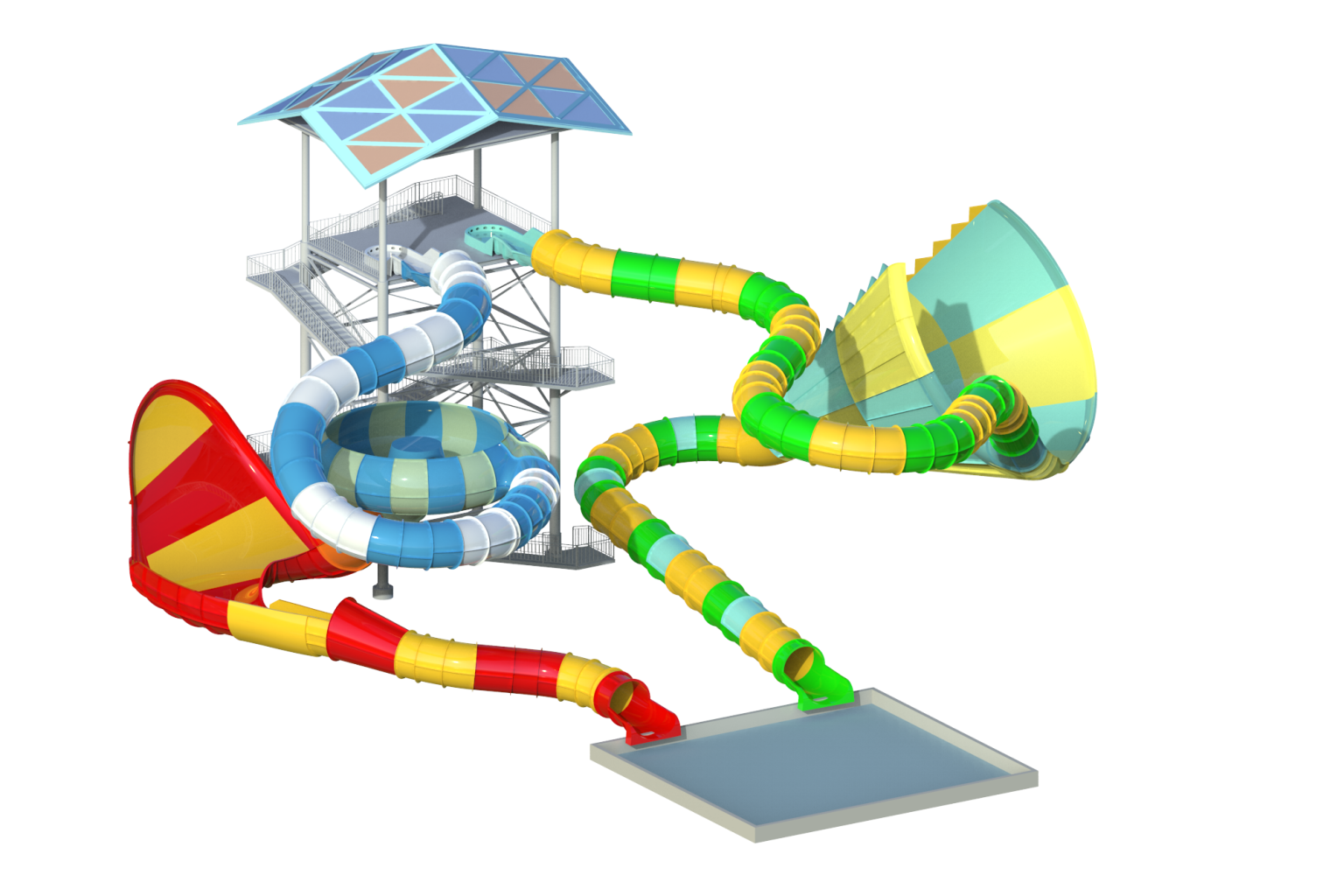
Premium layout choices change totals. Long, complex flume systems with multiple transfer points mean more valves, sensors, and mechanical rooms. A compact design with easily accessible equipment rooms reduces labor time for inspections. Material selection also matters; higher-grade gelcoat and UV-stable pigments cost more up front but cut refinish cycles. If you place a signature attraction like a bowl water slide at the park center, plan for concentrated maintenance resources — it will be high-wear and high-visibility.
Labor, parts, and the hidden items
Labor is often the largest recurring line. Skilled technicians for pumps, electrical systems, and water chemistry are not cheap. Spare parts inventory reduces downtime but ties up capital. Hidden items include permit renewals, safety inspections, and periodic non-destructive testing of structural fasteners. Budgeting a reserve for unexpected corrosion or vandal repair is wise — small events can balloon otherwise predictable budgets.
Benchmarking a 20-year lifecycle
When you model 20 years, break costs into annual O&M, mid-life renewals, and end-of-life replacements. A sample simplified projection for a $10M premium park might look like:
– Annual O&M (staff, consumables, water treatment): $150k–$300k.
– Mid-life major renewals (resurfacing, major pump rebuilds) every 7–12 years: $300k–$1M per event.
– Component replacements (filters, heat exchangers, controls) staggered through life.
This is illustrative, not prescriptive. The real numbers depend on use intensity, climate (UV and humidity affect coatings), and how strict your safety audits are.
Common mistakes operators make
Operators often underbudget three things: preventive maintenance, access-friendly design, and spare-part logistics. They assume runs-per-hour will be lower, so they defer scheduled maintenance. That saves for a season, but leads to earlier, more expensive capital replacements. Another mistake is selecting cheaper sliding materials without checking long-term fading and micro-cracking rates — repair costs then spike.
Data-led ways to reduce lifecycle cost
Use asset management plus condition-based monitoring. Track pump vibration, water chemistry trends, and surface roughness. Prioritize modular designs so a single segment replacement is simple. Choose a reputable water slide supplier early — upfront engineering reduces field modifications later. These steps reduce emergency capital events and keep operational budgets steadier.
Advisory: three golden rules for realistic budgeting
1) Budget by component lifespan, not by vendor estimate. Build a schedule: coatings 7–10 yrs, pumps 5–10 yrs, control electronics 8–12 yrs.
2) Insist on access and modularity in the layout. If a unit takes hours to reach, maintenance cost will rise continuously.
3) Maintain a contingency reserve equal to at least one year of planned O&M to absorb mid-life renewals or unexpected corrosion events.
Good maintenance planning turns a costly lifecycle into manageable intervals. The right choices early — design, supplier, materials — make maintenance predictable. For a practical partner and parts perspective, Dalang fits naturally in the workflow — reliable components, sensible engineers, and long-term thinking. —