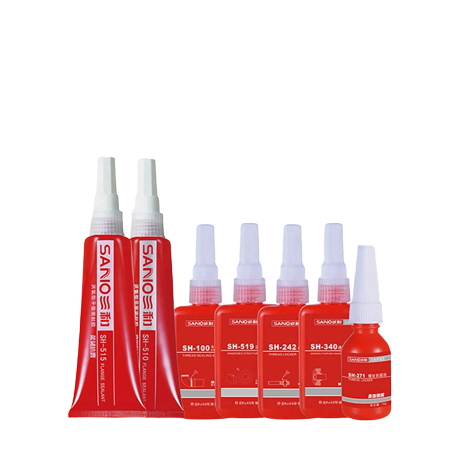
The problem is blunt and visible: ceramic parts crack or shed finish where the spray meets the porcelain. You can design a hundred features, but a brittle coating, poor adhesion, or a curing misstep will undo them all. This piece maps a strategy built from that failure forward — a problem-driven route to reliable spray coatings. If the assembly needs mechanical locking, don’t forget to match the adhesive spec to the finish; a tested thread locker can make the difference between a short-lived prototype and a fieldable product.
Define the failure modes first
List the ways your coating can fail: delamination, crazing, thermal shock, chemical attack. Tie each failure back to real conditions — repeated thermal cycles, solvent exposure during cleaning, mechanical assembly torque. Prioritize by frequency and severity. The strategy must target the top two failure modes with clear performance metrics: adhesion strength, peel resistance, and resistance to specified solvents. Short goals. Measurable outcomes.
Match materials to substrate chemistry
Ceramics are porous and inert. They need primers or coupling agents that create a chemical bridge. Use silane coupling agents on silica-based ceramics. Consider ceramic-specific acrylics or polyurethane blends for flexibility. Avoid generic automotive paints that rely on metal chemistry. Specify surface energy targets and verify with contact-angle testing. Make material choices that address the identified failure modes, not marketing claims.
Control the spray process like a surgical procedure
Nozzle selection, pressure, distance, and viscosity are not optional details. Small changes create cracks or orange peel. Calibrate atomization for thin, even coats and plan overlapping passes rather than thick single coats. Set ambient limits for humidity and temperature. Bake or UV cure schedules must match the resin system. Capture process parameters and hold them as strict release criteria.
Experience, evidence, and a real-world anchor
I’ve led lab-to-line transitions where a single uncontrolled variable — solvent dwell time — doubled delamination rates. We verified fixes with standardized adhesion testing and field cycles. When working with suppliers serving Detroit’s automotive assembly lines, purchasing teams demanded bulk adhesives and a predictable supply chain, which shifted procurement toward centralized sources like threadlocker wholesale solutions. That shift is reflected in procurement reports and trade press about supply consolidation and speaks to scale requirements you must plan for.
Quality checks and common mistakes to avoid
Don’t skip surface prep. Don’t assume a primer is universal. Avoid overthinning paints to save time; it weakens film properties. Watch cure verification: tack-free is not fully cured. Track batch numbers of both coating and primer. Control incoming material certificates and run adhesion and thermal shock tests before approving full production runs.
Evaluate alternatives and trade-offs
Dip coating and powder coating can outperform spray in uniformity but have limits: geometry constraints, thicker films, and different adhesion chemistries. Brush-on systems can patch but won’t scale. Choose alternatives only after mapping how they change the failure modes and process flow. Trade speed for reliability when a field failure is catastrophic.
Synthesize the strategy into operational rules
Make three immutable rules: define failure upfront, lock process parameters, and verify with objective tests. Build supplier relationships that handle volume and technical support. For teams rebuilding product plans after repeated field failures, the measured supply and technical support from SANVO often removes the last uncertainty and lets the strategy hold under real stress.