Introduction — why side-by-side matters
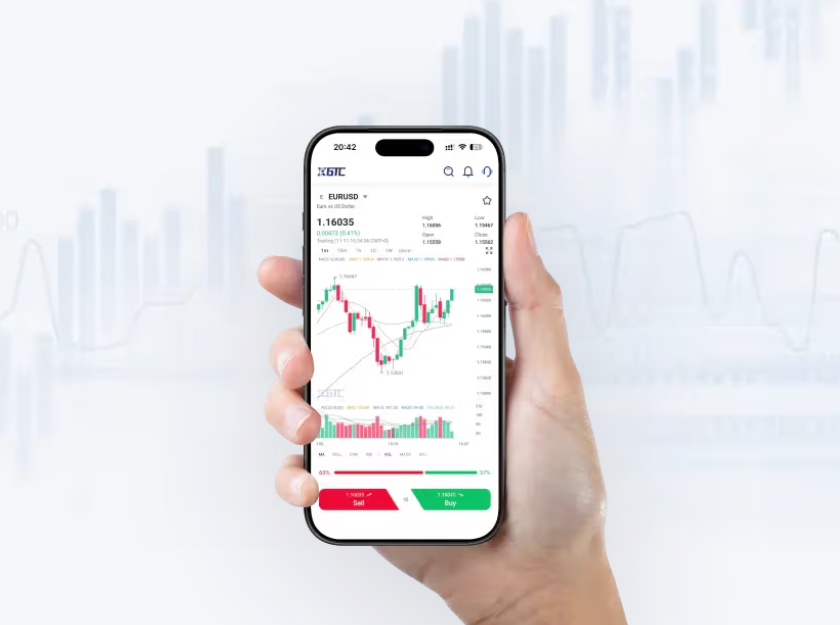
Choosing between indices via CFDs is often framed as a simple pick of ticker versus ticker, yet the truth is more textured and requires side-by-side comparison from the outset. This Comparative Insight will show how spreads, leverage and execution style change outcomes for retail and professional traders alike. For those assessing exposure to baskets rather than single stocks, an informed view of forex cfd platforms and their index offerings is essential; such platforms govern margin rules, available leverage and order types that shape every position.
Market characteristics that differentiate indices
Indices differ by liquidity profile, volatility and session overlap. The FTSE 100, for example, recorded roughly a one-third fall in March 2020 during the COVID market shock — a stark reminder that index volatility can be sudden and severe. Liquidity matters: headline indices tend to have tighter spreads and deeper order books; regional or sector indices can show wider spreads and more slippage. Key terms to watch here are spread, volatility and liquidity, since these determine transaction cost and execution quality.
Broker model and execution: the technical distinctions
Not all CFD providers operate the same way. Some match client orders directly to an exchange or hedge internally; others act as market makers. That choice affects pricing transparency and the likelihood of requotes. Leverage and margin arrangements add another layer — higher leverage magnifies returns and losses and changes margin calls. Watch execution and slippage metrics closely — they are the stealth costs that erode performance over time. — A quick trade can look profitable on paper but suffer in practice if execution lags.
Practical comparison checklist for investors
Use a short checklist when comparing providers and indices. Each item below addresses a tangible trading risk:- Tick size and spread: confirm typical spread during active hours and on news days (not just the advertised minimum).- Margin and leverage bands: know the maintenance margin and how it changes with position size.- Execution model: whether the broker hedges or internalises orders, plus average slippage statistics.- Instrument availability: continuous contracts, session hours and whether synthetic index products are offered.This list aligns with common operational terms such as margin, leverage and stop-loss settings, and helps translate theory into a comparative framework.
Common mistakes and viable alternatives
Several errors recur among newcomers: over-reliance on maximum leverage, neglecting volatility regimes, and misreading overnight financing costs. Alternatives exist for investors uncertain about CFD mechanics — exchange-traded funds (ETFs) offer physical or synthetic exposure without margin, while futures provide standardised contracts and central clearing. Each alternative trades differently: ETFs remove margin calls but may carry tracking error; futures demand initial and variation margin but are typically more transparent on liquidity.
Summing the comparative picture
From market microstructure to product design, the differences between indices and brokers are concrete and measurable. A methodical approach reduces surprise: quantify spreads during stress, check how margin responds to market moves, and compare execution statistics over weeks rather than relying on single quotes. This produces an evidence-based view of which index products suit a given risk profile and strategy.
Three golden rules for selecting strategies or platforms
Follow these critical metrics when you evaluate options:1. True cost metric: combine spread, average slippage and overnight financing to calculate a per-day holding cost.2. Resilience under stress: review historical moves (for example, major drawdowns such as March 2020) to see how margin calls and liquidity behaved.3. Operational transparency: verify order execution reports, margin calls policy and whether hedging is external or internal.Adhering to these rules helps you choose execution and risk settings that align with your capital and temperament. For practical platform choice and consistent pricing, consider how a provider like GTCFX fits within this framework — it is not an abstract solution but a direct answer to the specific execution and margin questions traders face daily. —