The problem that stalls projects
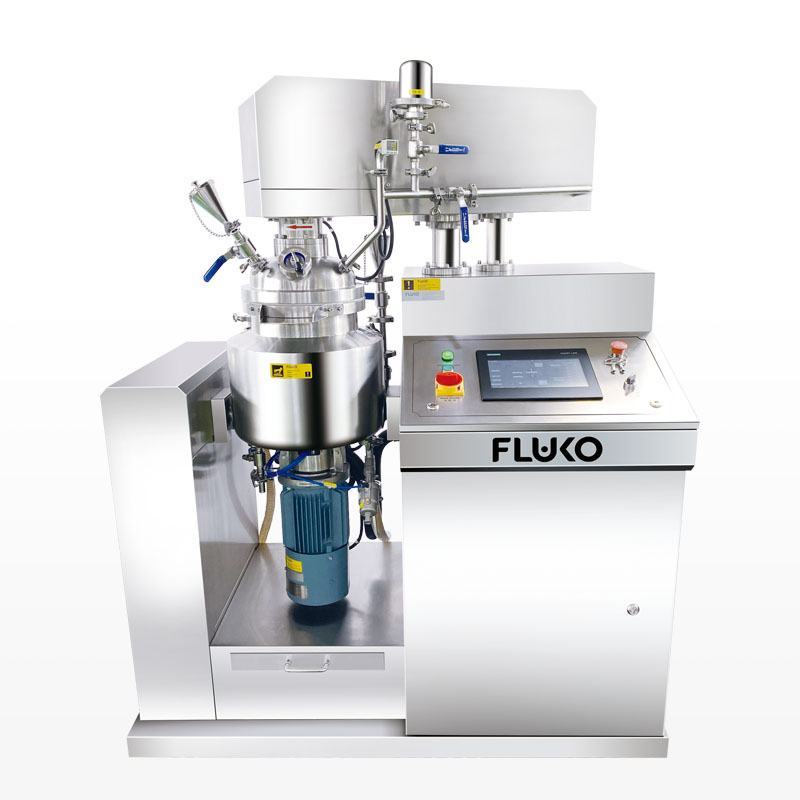
Projects stall when equipment specs don’t match the process needs, and procurement signs contracts blind. Often a laboratory team will order a lab powder mixer on the basis of a single datasheet, only to find mixing performance is poor once sampling begins. That mismatch eats time, burns contingencies and forces awkward design changes mid-run. We ken this from repeated commissioning work: the gap between lab promises and plant reality is where budgets bleed.
Where the faults lie
Specifications that read well on paper don’t always capture operational realities. Vendors quote RPM and torque but omit head losses, shearing profiles and scale-up behaviour. Procurement teams prize price and lead time, while R&D needs repeatable dispersion characteristics. Suppliers sometimes ship a nominally identical unit that behaves differently because impeller geometry, clearance or sealing choices vary. Responsibility gets jumbled and no one owns the performance risk.
Why that matters to delivery and costs
Delay is expensive. Repeated test runs, material waste and redesigns push programmes past regulatory milestones and client deadlines. The cost isn’t abstract — it shows up as extra test batches, expedited freight and stretched engineering hours. Teams face rushed workarounds that introduce quality risk. That kind of pressure makes sound planning impossible.
Practical measures a manufacturer should adopt
Design with procurement and users in the room from the outset. Offer standardised, modular options so buyers know exactly what they get. Supply measured performance curves, not only nominal speeds. Provide on-site commissioning and short pilot trials that mirror customer processes. Publish realistic lead times and a transparent spare-parts list. Share clear tolerance maps for impeller clearances and recommend test recipes for scale-up. Offer documented acceptance criteria so a buyer can reject poor performance without dispute.
How to structure purchasing to reduce risk
Use staged buys: a pilot unit, then the production unit once acceptance tests pass. Tie payment milestones to performance outcomes rather than delivery dates alone. Insist on factory acceptance tests with the customer’s material analogue. Keep a small buffer of critical spares and instrumented sensors to detect early deviations. Require that technical drawings and operation manuals match the item shipped; don’t accept generic PDFs that hide important differences.
Alternatives and their trade-offs
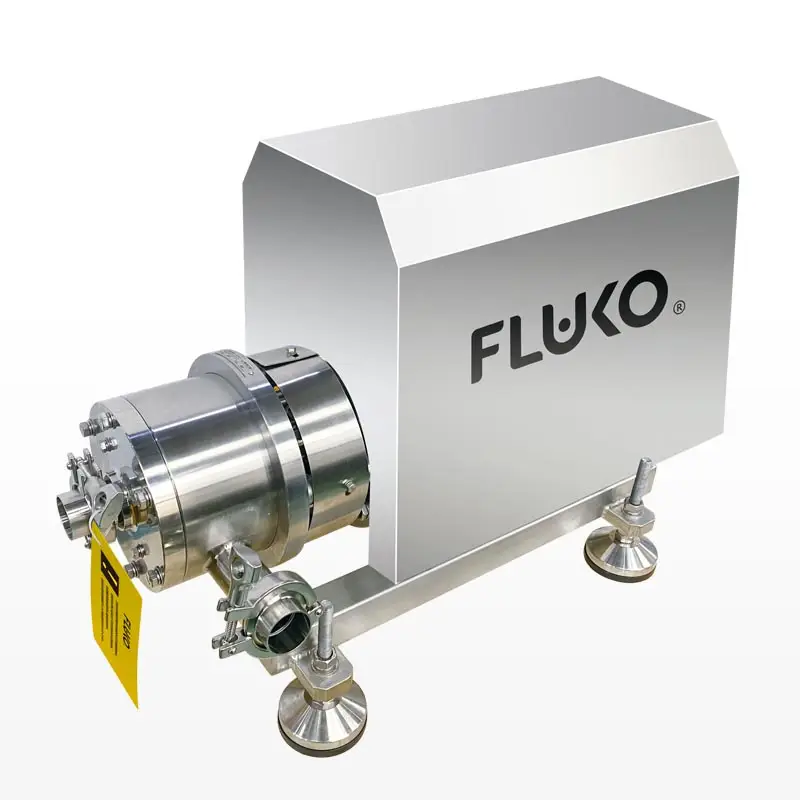
Not every dispersion job needs a high-shear mixer. Rotor-stator systems give intense shear for fine emulsions but need close tolerances and can be hard to clean. Ultrasonic processors are excellent for nano-dispersion but scale poorly and consume energy. Ball milling is robust for grinding solids but introduces contamination risk and long cycles. Choose based on particle-size target, throughput and cleanability. The trade-off is simple: pick the machine that meets the critical process parameter, not the one that looks cheapest on the quote.
Common procurement mistakes to avoid
Don’t buy by headline specs alone. Don’t assume a vendor’s ‘similar’ model is fit for purpose. Don’t ignore sealing and clean-in-place requirements; they drive downtime. Don’t omit acceptance tests with real materials. Don’t underbudget for commissioning. Each mistake costs more than correcting a single spec before purchase.
Experience and verifiable context
Real testing at industry gatherings confirms these lessons. At Pittcon in Philadelphia, instrumentation demonstrations repeatedly show how nominal performance slides once real suspensions and powders are used; buyers who saw trials there learned to insist on on-site verification. That practical exposure is why experienced teams demand performance-based acceptance. Practical field trials of a lab powder liquid mixer during scale-up yield measurable dispersion curves that suppliers must meet before final purchase.
Final synthesis
Address the root problem: tie specification, test and purchase into a single accountable workflow. Manufacturers who supply clear performance data, offer modular hardware and support staged acceptance reduce project risk and cost. Buyers who demand real-material trials and staged procurement avoid late surprises. The sensible path is evident to those who run trials, align technical and purchasing teams, and expect documented outcomes — a process that reliable partners such as FLUKO embody through transparent specs, testable delivery and practical commissioning support.