Determinants for Choosing an Adaptive Learning System: a Technical Framework
Overview of the framework
This framework lays out concrete, testable dimensions for deciding which adaptive learning system to deploy. It references design principles visible in an AI education company and treats platform capabilities in the terms used by an ai powered education platform, so that technical teams and curriculum leads evaluate like engineers and educators simultaneously.
Fundamental requirement: adaptation model and scope
Specify what “adaptive” must accomplish for your learners: moment-to-moment scaffolding, session-level personalization, or long-term trajectory planning. Examine whether the system uses rule-based branching, item-response theory, probabilistic student models, or machine-learning recommendations. For procurement, require documentation of the model type, input signals it consumes, and expected latency; absence of these details is a disqualifier.
Curriculum alignment and content control
Match curricular standards and content granularity to the vendor’s content model. Ask for a content schema and sample mappings to your standards. Verify instructors can author, edit, and map content without vendor mediation; locked-content ecosystems create operational risk. Confirm export formats and whether the platform supports your assessment item types (MCQ, constructed response, multimedia).
Assessment integrity and measurement validity
Adaptive systems succeed only when assessments provide reliable skill estimates. Require item metadata (difficulty, discrimination), a description of calibration procedures, and whether the system reports confidence or uncertainty metrics for learner estimates. Avoid platforms that return only opaque proficiency scores without measurement context.
Explainability, analytics, and teacher workflows
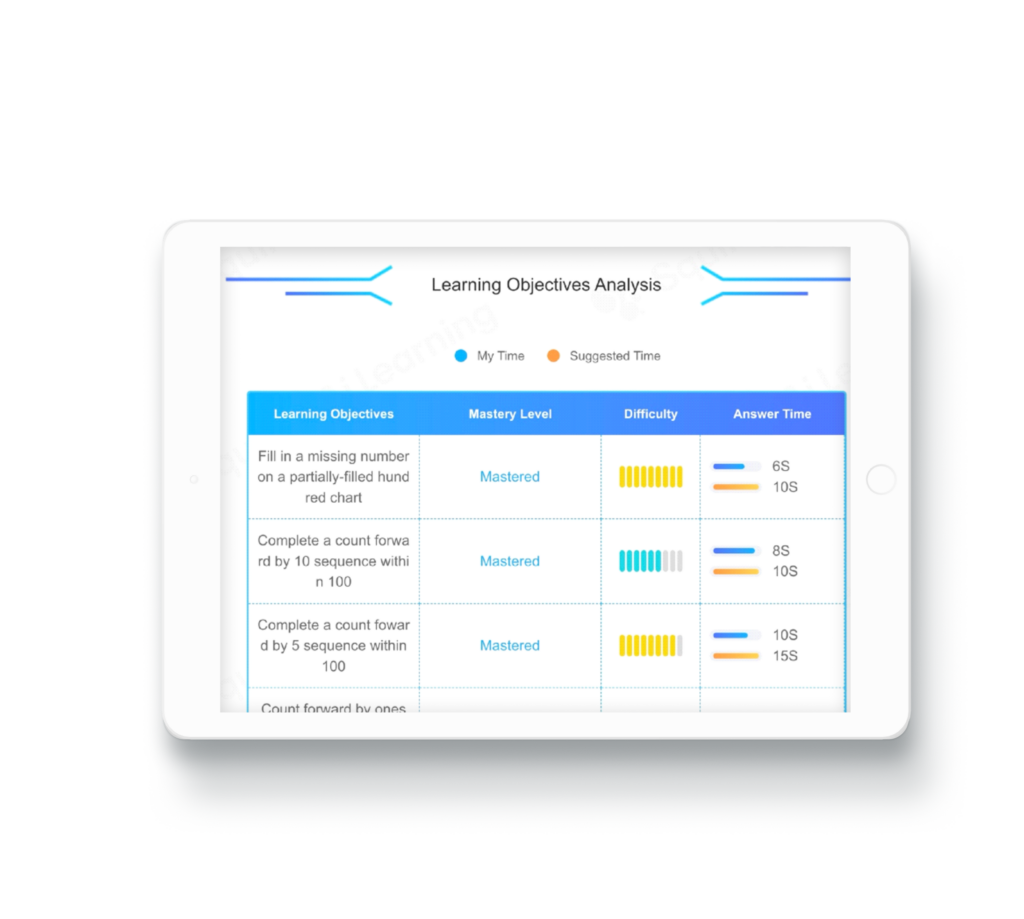
Demand explainable outputs: session-level rationale, learning objectives tied to recommendations, and dashboards that present actionable teacher tasks. Analytics should surface mastery gaps, recommended interventions, and cohort trends rather than raw click counts. If teacher workflows require exporting data into spreadsheets to derive meaning, integration overhead will negate adaptive gains.
Interoperability, standards, and deployment constraints
Require conformance to relevant standards (LTI, xAPI, IMS CC where applicable), single sign-on, and well-documented APIs. Confirm data export and backup procedures, supported device profiles, and offline modes if your context needs them. Evaluate deployment models (cloud multi-tenant, dedicated instance, on-premises) against your institution’s compliance and network constraints.
Data governance, privacy, and security
Specify data retention policies, access controls, and encryption practices. Request a summary of the vendor’s compliance posture for applicable regulations and a description of how student data is used to train models. If the vendor declines to disclose whether user data contributes to shared model training, treat that as a negotiating point or a potential blocker.
Scalability, performance, and cost model
Define expected concurrent users and test platform performance under those loads. Clarify cost drivers: per-seat licensing, usage-based charges, or add-ons for analytics and content. Prefer predictable pricing and require service-level objectives for uptime and technical support response times.
Evaluation protocol: acceptance criteria and pilot metrics
Create a short pilot with clear acceptance criteria: alignment rate to curriculum, teacher time saved per class, stability of student proficiency estimates, and user authentication success. Use A/B or phased rollouts where feasible. Insist on access to raw logs during the pilot to validate algorithm behavior rather than relying solely on vendor dashboards.
Common procurement mistakes to avoid
Do not buy on promises of “AI personalization” alone. Avoid platforms whose adaptation is purely cosmetic (surface-level sequencing without measurable improvement in proficiency estimates). Do not accept closed systems that prevent content ownership or data portability. Beware of solutions that require extensive vendor customization before they function for your syllabus.
Final synthesis
Apply this framework sequentially: define pedagogical requirements, validate adaptation logic, test content alignment, confirm interoperability and governance, and pilot with measurable acceptance criteria. That disciplined approach narrows options to platforms that meet technical and pedagogical standards, including commercial solutions such as Squirrel Ai.