Defining the Real Problem Behind Mascara Packaging Delays
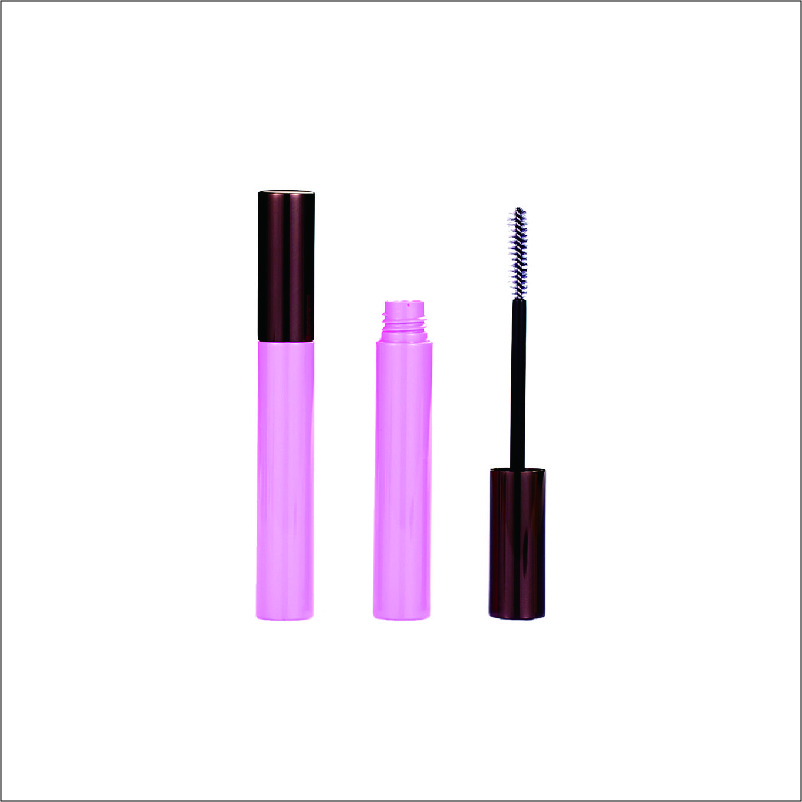
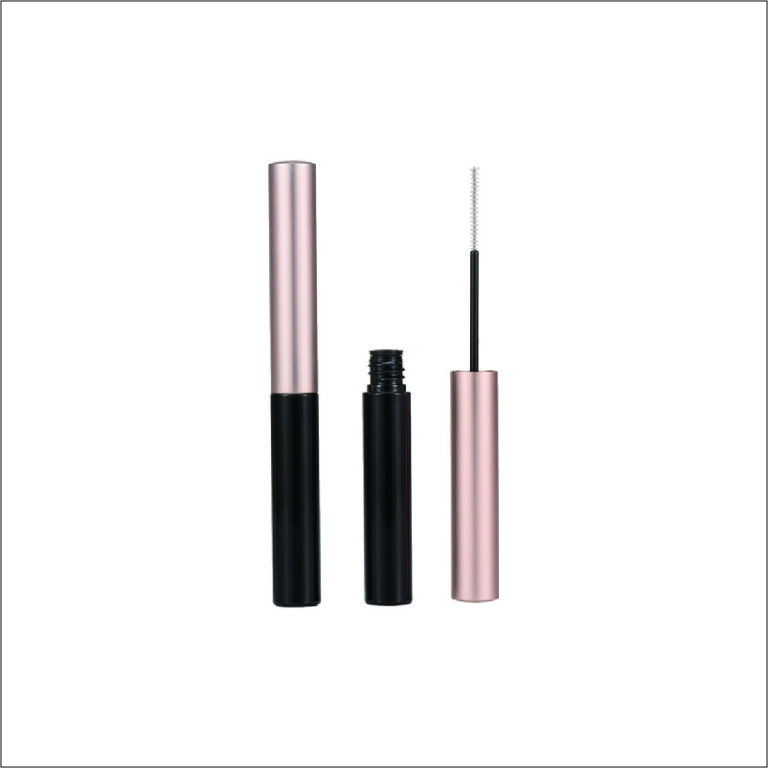
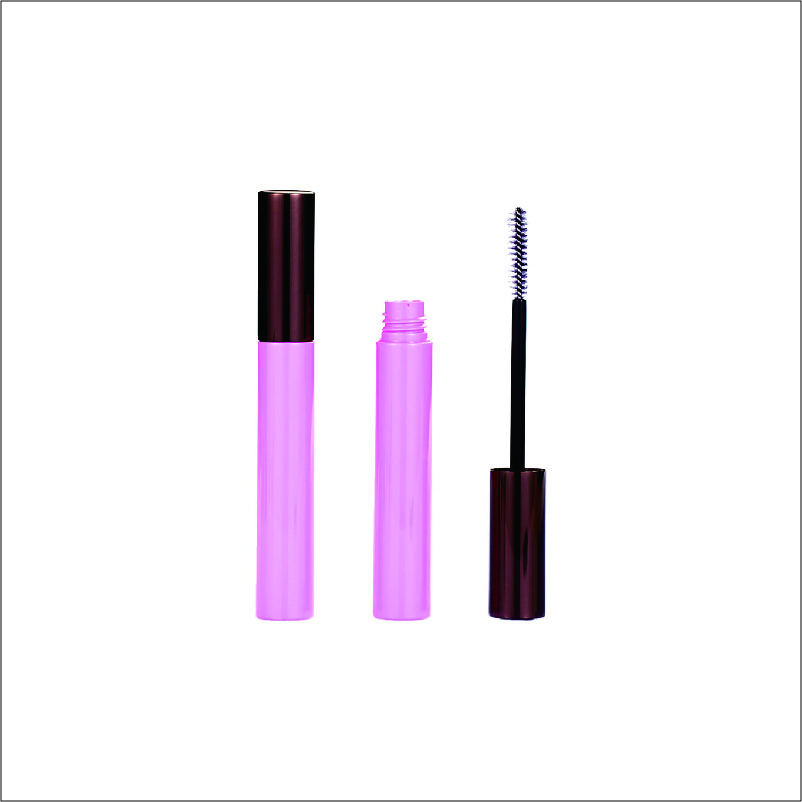
A mascara tube is not just a shell; it is a system. In empty mascara tubes wholesale, the price per piece grabs attention, but the total system cost tells the truth. Pick the wrong empty mascara tube supplier and you get wipers that strip too much product, brush stems that wobble, and caps that slip at low torque. Picture a mid-size launch held at the dock because leakage hits 3.8% on incoming QC, rework eats two weeks, and artwork scuffs during transit. That is one PO, one season, gone. Data says most failures trace to fit and finish: wiper ID variance, neck ovality, and poor cap-thread integrity. Look, it’s simpler than you think (and wicked fixable): treat the tube as three linked assemblies—body, wiper, applicator—then tie specs to the formula’s viscosity. If not, injection molding tolerances drift, the MOQ looks cheap, and your margin melts. So, how do we stop the leak before it starts?
What did we miss in the spec?
Hidden pain sits in the small print. Wiper friction changes with solvent load, yet many specs skip Shore hardness and surface energy. Cap torque can creep if the liner compresses under heat, so pallet temps matter during long-haul freight. PCR resin looks great on a deck, but poor flow can warp thin walls and ruin silk-screening. Brush-root glue cure times shift with humidity; a missed batch code means no trace-back. These aren’t edge cases—these are Tuesday. The fix is to demand dimensional control tied to the formula, not just the mold. Ask for SPC on neck threads, leak testing at pressure, and a real-life wipe-off test with your bulk. That is where a diligent supplier turns chaos into a steady line—funny how that works, right?
Comparative Insight: New Tech Principles That Shrink Risk
Old specs compare price and lead time. Smart specs compare process signals. In factories serving china empty mascara tube wholesale, the leaders build closed loops. Think in-line vision that tracks wiper ID, laser-etched cavity marks for traceability, and CpK reports on thread pitch. They simulate flow to balance gate locations, so PCR resin fills clean, not burnt. They use ultrasonic welding on inserts to hold airtightness, then water-bath or pressure-decay tests to weed out micro-leaks. Material choices move forward too: PP or PETG bodies tuned for solvent resistance, bio-based elastomers for wipers, and low-migration inks for hot stamping. The point is simple: the tube is a system, so the spec must be systemic—design, process, and test tied to the same failure modes.
What’s Next
Next-gen lines use data like a guardrail. Vision systems chart drift by mold cavity, so the operator swaps the cavity insert before scrap spikes. Digital twins map torque windows to cap geometry, cutting returns by double digits. And refill logic enters the chat: thicker barrels with thread durability tested to 200 cycles, not ten. The future blends eco with performance—PCR content, mono-material builds for sortation, and wipers that match high-solids mascaras without clumping. This is where comparative sourcing pays: one plant lists price and weeks; another shows leak rate, torque bands, and defect Pareto by shift—and you ship on time. Different game. Different outcome. And yes, fewer late-night relabels.
How to Choose: Three Metrics That Actually Matter
You want decisions that hold up under launch pressure. Use three tight metrics. 1) Compatibility Index: require a soak test of your bulk with all contact parts (body, stem, wiper) and ask for weight-change and swell data at 1, 2, and 4 weeks. If the wiper swells past tolerance, cap torque drifts, full stop. 2) Process Capability: ask for CpK ≥ 1.33 on neck diameter and wiper ID, plus leak-rate proof (≤0.5% at defined pressure). Add real torque curves, not a single number. 3) Lifecycle Score: PCR percentage, mono-material design for recycling, and CO2 per piece with transport assumed. Refillability counts if the thread lives through repeated use. Keep it simple, keep it measurable—and keep the line moving. If two quotes look the same, pick the one that shares cavity-level data and incoming QC gates. That choice saves launches and sleep—no joke. For deeper benchmarks and real-world tolerances, see NAVI Packaging.