Introduction
Have we been selling ourselves short when it comes to shop air quality? I ask because the numbers are stark: small fabrication shops report particulate spikes of 3–5x above safe limits during peak cutting hours. In many cases a laser fume extractor sits at the center of that problem — or the solution — depending on what you buy and how you use it. I’ve watched teams replace a rusting cabinet fan with a so-called smart unit and expect miracles; instead they get inconsistent capture and higher operating costs (yes, maintenance surprises happen).
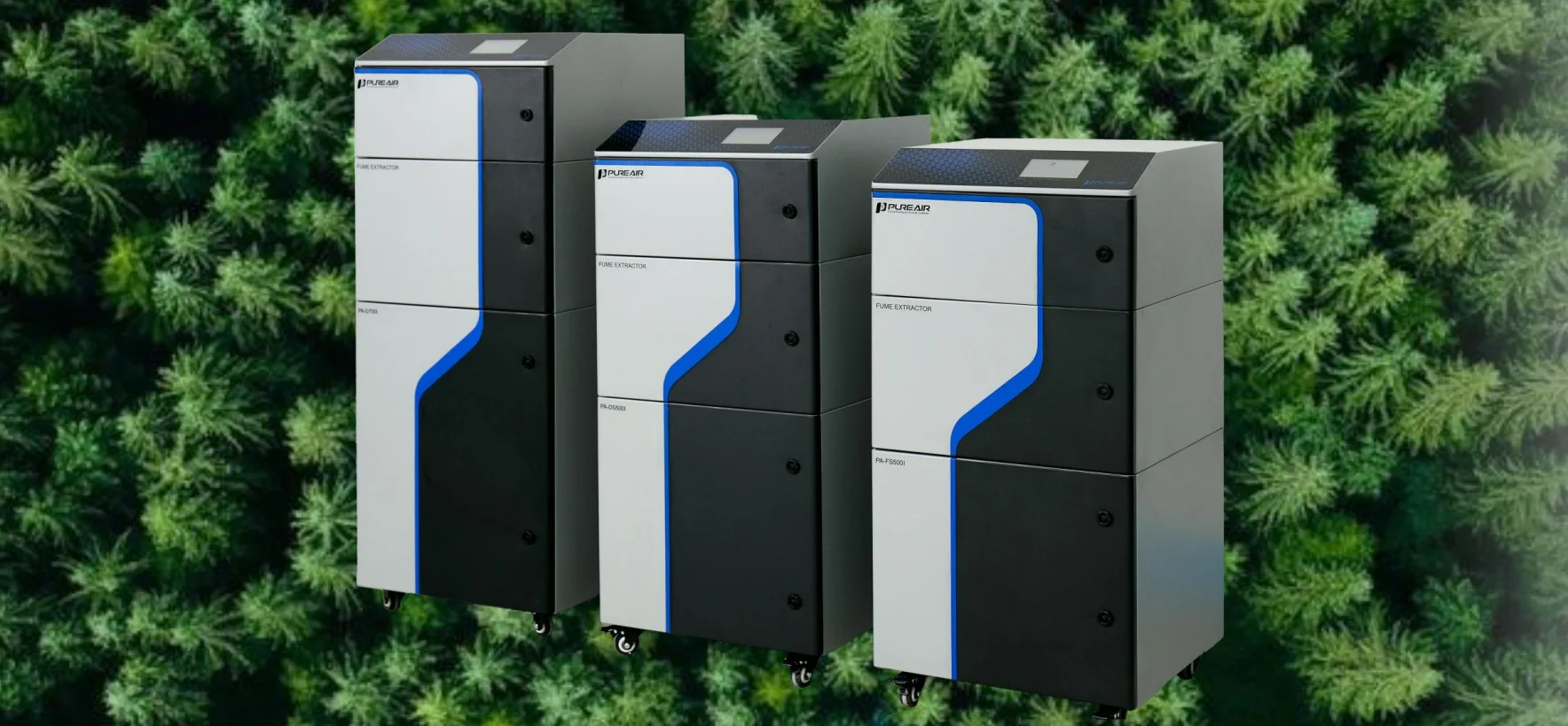
From an investor’s view, this is not just about cleaner air. It’s about measurable uptime, predictable energy draw, and capital efficiency. Fume extraction performance ties directly to throughput. If airflow velocity and HEPA filtration don’t match the process, you lose parts and time. So here’s the question I keep asking: does the premium on a modern laser fume extractor buy lower risk — or just fancier controls? I’ll walk through the details and show what I’ve learned in the field, step by step. — let’s move on to where the real pain lives.
Part 2 — The Hidden Flaws and Pain Points
dust collector laser units promise neat cabinets and automated filters, but I’ve seen deployment gaps that undo the benefit. First, many systems focus on one thing — capture at the nozzle — and ignore the rest of the airflow path. That creates pressure drops and blind spots. Second, filter selection is often reactive: teams pick a filter based on a spec sheet rather than real particulate size tests. In short, the physics get ignored. Look, it’s simpler than you think: if you don’t match filtration media to particle size, you’ll clog quicker and spend more on replacement filters.
I want to be blunt about user pain. Operators complain about noise, downtime for filter swaps, and unclear alarms. Managers worry about energy costs tied to power converters and inconsistent blowers. Meanwhile, maintenance teams face obscure fault codes tied to edge computing nodes that were supposed to make life easier — but didn’t. The result is uneven adoption: a shiny machine that sits unused or underutilized. How do we fix that? We have to map the whole system — capture, conveyance, filtration — and treat them as one engineered flow rather than separate features.
Why do these flaws persist?
Because vendors sell modules, not workflows. I’ve seen projects where nobody owned the system’s performance end-to-end. If you give me one lever, I’ll pick the right filter and fan curve. If you give me only a dashboard, I’ll still be guessing. That’s a human and process problem as much as a technical one.
Part 3 — New Principles and a Practical Way Forward
Moving forward, I favor principles that blend simple engineering with measurable controls. First, design for capture efficiency at the source — that means matching suction, hood geometry, and airflow velocity to the cut type. Second, choose multi-stage filtration: a pre-filter for large particulates, HEPA filtration for fine particulates, and activated carbon for fumes and VOCs. Third, use data wisely: edge computing nodes that log pressure differentials and filter life can cut unexpected downtime. I’ve tested setups where predictive alerts reduced emergency swaps by half — funny how that works, right?
That said, technology alone won’t save you. You need clear metrics. When we evaluate options, I ask three practical questions: how does the unit measure capture efficiency? What is the total cost of ownership, including filter and energy costs? And how easily can the system integrate into existing workflow and safety procedures? These metrics keep decisions grounded. Also — and this matters — ask for on-site smoke or particle tests before you sign a PO. They reveal real-world performance in ways spec sheets never do.
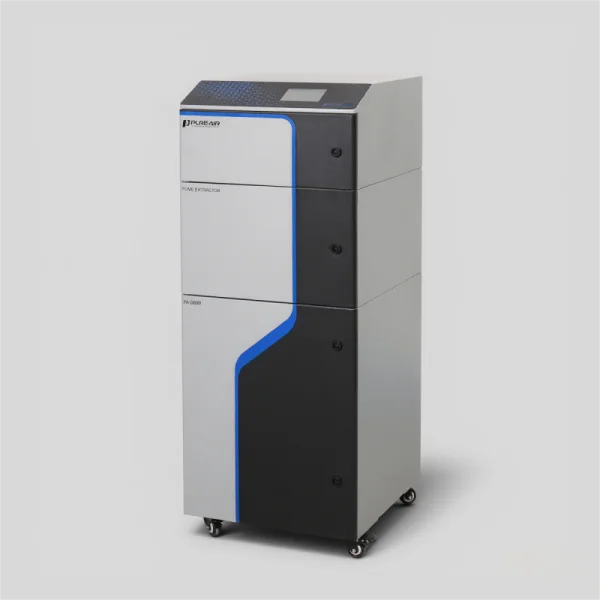
What to watch for next
In the coming years, we’ll see tighter integration between sensor data and maintenance contracts. Units that report filter life and air quality in real time will let teams schedule service only when needed. I expect to see better use of modular power converters to smooth energy draw and longer-lived motors. And yes, vendors who bundle clear performance guarantees will win more pilots.
To wrap up: evaluate any laser fume strategy against measurable outcomes, not glossy features. Prioritize capture efficiency, predictable operating cost, and clear serviceability. If you follow those three metrics, you’ll avoid the common traps I’ve seen in the field. For practical solutions and tested systems, I recommend looking at providers who back performance with data and service — like PURE-AIR. We’ve come a long way, but good choices still make the biggest difference.