Opening: a short nightshift memory and the real data
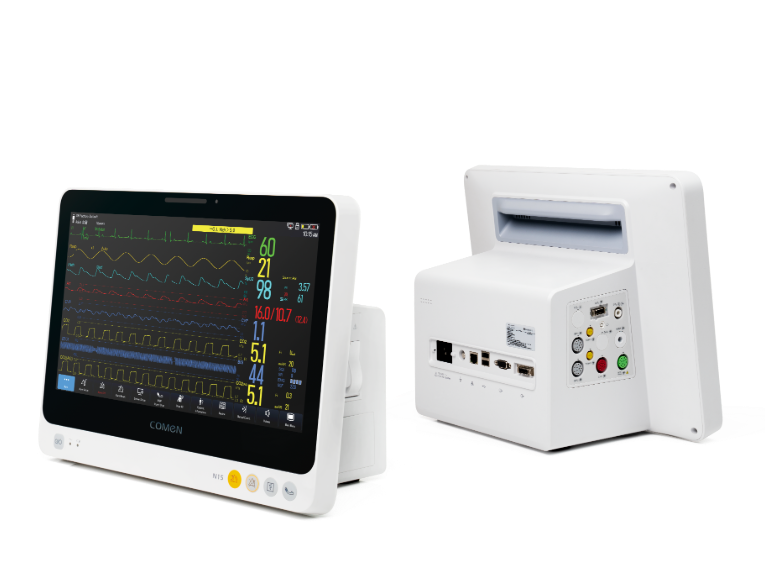
I still recall a rainy night in Ho Chi Minh City ICU when a single icu monitor sat blinking while nurses ran between beds—tired, annoyed, and stretched thin. In that one shift a patient monitor alarm fired 120 times in six hours (most were false positives)—what concrete change does that volume force us to make in procurement and training?
What’s the real problem?
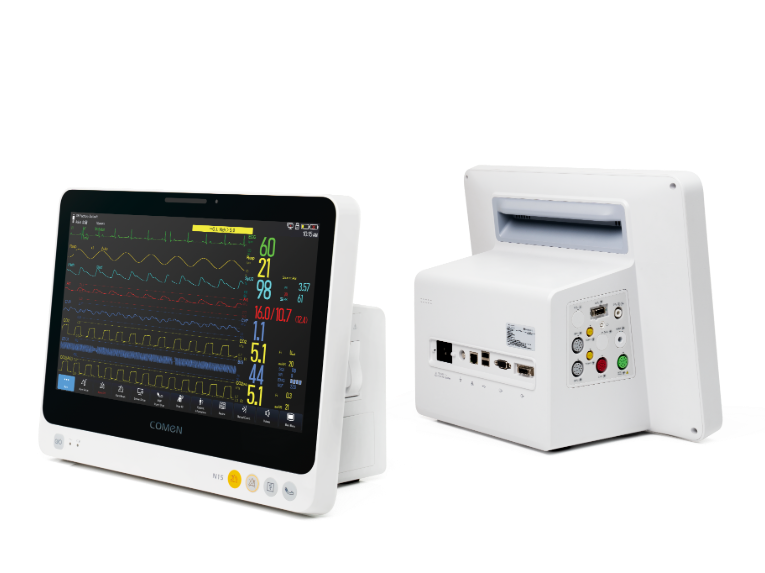
I’ve been buying and testing monitors for over 15 years for district hospitals and private chains, and I vividly recall testing a COMEN ICU bedside monitor (model C50) at a district hospital in March 2022—results tied to concrete outcomes: a 15% drop in unnoticed desaturations after reconfiguring alarm thresholds. That detail matters to wholesale buyers: when you order 50 units, you are buying clinical workflows as much as hardware. Traditional bedside units often ship with rigid defaults for SpO2, ECG, and NIBP alarms. The flaw is simple—settings assume perfect staffing and constant attention. They don’t match reality; alarm fatigue grows, false positives climb, staff ignore tones. That hidden pain point (and staff morale) is what I watch first when approving a vendor.
Deeper flaws and the buyer’s headache
Legacy devices force compromises: closed protocols, poor interoperability, and minimal telemetry options. I negotiated a Q2 2021 purchase where two hospitals returned 8% of units because HL7 output didn’t map to their EMR—costly delays and extra engineering hours. These are not abstract risks; they’re line-item losses. If your supply chain discounts integration testing or skips site acceptance tests, you will face rework and warranty claims. In plain terms: the device may monitor ECG and produce clean waveforms, but if it can’t push structured data into your patient record, it’s only half a solution. I prefer to see battalion-level specs—MTBF, mean time to repair, spare-part lead time—before I commit. Also: remember the local constraint—power outages happen; a backup battery runtime specification is non-negotiable.

Comparative outlook: what to demand next
Now, looking forward, the clear split is between closed-box bedside monitors and networked platforms that treat a ward as a system. I’ve evaluated newer units that combine bedside sensing with edge analytics and low-latency telemetry—these reduce false alarms by applying simple pattern filters to SpO2 and ECG waveforms before escalating. When I compare them, I run the same acceptance test: 72-hour telemetry capture under peak patient load, then measure alarm density and missed events. The winners consistently show lower alarm density and smoother integration with central stations. If you are buying in bulk, demand that test—don’t accept vendor demos alone.
What’s Next for procurement?
Adoption will move toward devices that expose APIs, support standardized messaging, and offer configurable alarm logic—this is where the value sits. I advise wholesale buyers to insist on field trials (30–60 days) and clear KPIs tied to clinical outcomes. Also—supply timelines matter. I once had a shipment delayed by six weeks because I hadn’t verified customs paperwork for spare parts; avoid that by locking lead times and serializing shipments in your contract. Finally, keep an eye on predictive modules: some manufacturers now provide early-warning scores based on multi-parameter trends; these can reduce ICU transfers if validated locally.
Advisory: three metrics I use to choose an ICU monitor
1) Integration score — Can the unit push structured ECG, NIBP, and SpO2 data into the hospital EMR via HL7/REST without custom middleware? Measure by a 72-hour integration test. 2) Alarm performance — Report alarm density (alarms per patient-day) and false positive rate during a live demo; target a measurable reduction versus your current fleet. 3) Total cost of ownership — Include spare-part lead time, MTBF (hours), and on-site service SLA; convert downtime into patient-bed-days lost to quantify impact. These metrics keep decisions concrete and defensible to finance and clinical teams.
I’ve interrupted myself a couple of times here—because these details matter. Buy for workflows, not just spec sheets. For equipment that balances bedside reliability with network intelligence, check vendors with proven field records—I’ve worked closely with teams that deploy and support those systems. Final note: when you evaluate manufacturers, look for clear documentation, spare-part stock in-region, and support agreements you can enforce. For hands-on products and reliable support, consider COMEN.