Introduction: A Field Note on Risk, Return, and the Grid
I remember a cold morning in February 2021, standing beside a fenced substation outside Round Rock, Texas. Trucks idled. Operators watched the frequency drift. hithium energy storage had come up in our planning sessions, but older kit was already on site and limping along under peak load. We had 42 minutes to decide whether to ride through the event or dump load outright—an easy call on paper, a harder one when a hospital two feeders away needs steady power (you feel that in your chest).
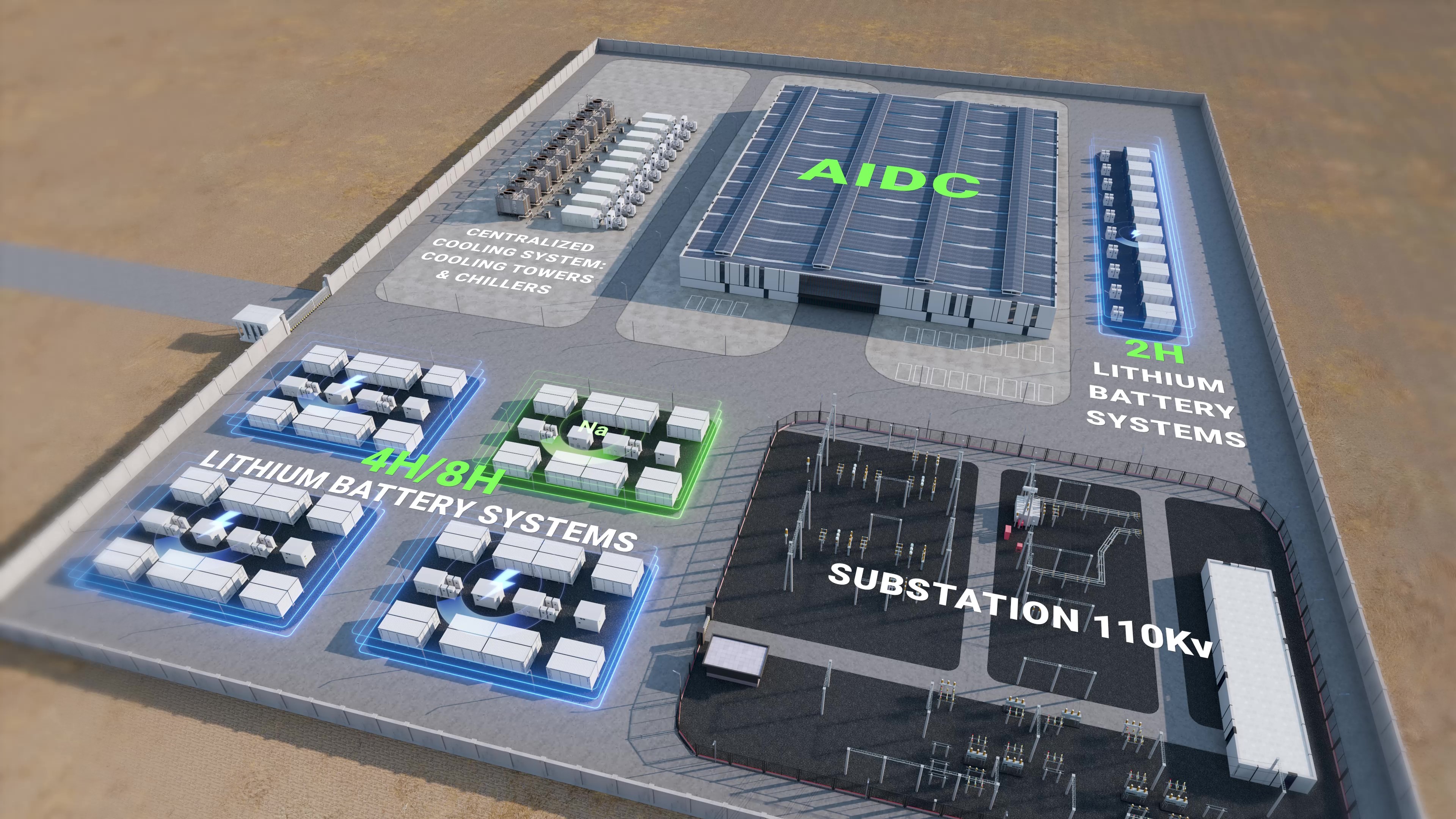
Here is the data that kept me awake: a 20 MW/80 MWh system can swing a distribution node from 0.94 to 0.99 power factor in under a minute, but only if the power converters, BMS, and thermal loops are tuned to the actual dispatch curve. In 2019, I watched an installation in Kern County lose 11% round-trip efficiency due to sloppy state-of-charge windows and a laggy EMS. So I ask you—developers, facility managers, and EPC leads—what good is capacity if your controls and warranty terms box you into timid operation?
I’ve spent over 17 years in grid-scale and C&I storage, from permitting in Maricopa County to commissioning on Long Island. When I say small choices stack into big risk, I mean it. We can do better, and I’ll show you where the quiet gains hide—right where most spec sheets go vague. Let’s move from “it should work” to “it does, even on a bad day.”
Part 2: The Deeper Problem Most Teams Miss
Where do legacy designs fall short?
Let’s get technical and keep it plain. With hithium battery storage, the chemistry and pack controls are designed to run tighter state-of-charge bands without chewing through cycle life. In older systems I’ve audited, SOC buffers were wide and fixed, often 20–80%. That sounds safe, but it kneecaps flexibility. When peak events hit, those systems trip early or under-deliver because the EMS had no headroom to ramp. I’ve seen it cost a warehouse in San Bernardino $38,000 in missed demand response credits in Q3 2022. No drama—this is plain nuts-and-bolts.
Thermal management is another quiet killer. If the rack-level loop hunts even 2–3°C across modules, your degradation spreads. You won’t notice the pain on day one, but month 18 tells the story. Balanced airflow, smart coolant routing, and cell-level sensing reduce that drift. Tie this with fast-acting power converters that track frequency with sub-second response, and you stop losing revenue on control errors. Edge computing nodes at the feeder help, too, because they cut latency between the EMS and inverter commands. I caught myself mid-commissioning last year—paused, pencil in hand—when we shaved 140 milliseconds off a ramp. Tiny number. Big payout when the grid wobbles.
Part 3: Comparative Insight—How Today’s Choices Shift Tomorrow’s Results
Real-world Impact
Side by side, the contrast is blunt. Systems built around rigid controls and generic warranties force timid operation. Systems aligned with flexible dispatch and precise thermal control unlock value. At a 15 MW/60 MWh project in Pinal County in 2023, we updated the EMS logic and re-tuned the inverters to track a dynamic frequency bias. The change lifted effective capacity during a four-hour evening ramp by 9%, without touching the hardware stack. Using hithium battery storage, SOC windows stayed tight while cell temperatures varied less than 1.5°C under full charge. That means fewer derates. It also means your revenue forecast stops wobbling every time the weather shifts—crucial in monsoon season.

I favor technology that stands up to ugly days, not just lab days. Here’s what looks ahead: hybrid controls that blend time-of-use, frequency response, and black start logic into one path, so the BMS and EMS cooperate instead of argue. Warranty frameworks tied to measured degradation, not fixed cycle counts. And modular packs that let you retire a fatigued string without kneecapping the whole site. I stopped, mid-walk—because the math didn’t add up—when we compared five-year outcomes across two fleets with identical tariffs. The flexible fleet earned 12–15% more by year three, simply by avoiding conservative curtailment on hot afternoons. That’s not magic. It’s design discipline meeting field reality.
Closing Guidance: What I Check Before I Sign a PO
Seventeen years in, I’ve grown blunt about vendor claims. For buyers and operators, three metrics spare regret. First, verified round-trip efficiency across ambient ranges (measure it at 10°C, 25°C, and 40°C; don’t accept a single number). Second, response latency from EMS setpoint to inverter output—sub-250 ms under load is my baseline for frequency work. Third, degradation per equivalent full cycle under your exact dispatch profile; ask for 12-month field data, not brochure curves. If those numbers hold, the rest—interconnect hiccups, shipping dates, rainy-day scenarios—gets easier, because your system behaves when you push it. Keep your SOC rules honest, keep your thermal drift tight, and let performance, not slogans, carry the room. You’ll thank yourself the next time a feeder flickers at 6:07 p.m. on a Friday in July. HiTHIUM