Introduction: a short plant story, a number, a question
I remember standing in a dusty workshop while a line manager showed me three broken drives and sighed—his deadline had slipped, again. That scene still sticks with me because it points to a wider problem: procurement choices matter. Recent industry notes say up to 30% of motor installs need follow-up work or replacement within the first year. When you call a vendor, how do you know they’ll really deliver—especially on service and specs?

In many of my conversations I bring up the term electric motor supplier early (and loudly). Why? Because the right partner affects uptime, energy bills, and your warranty claims. You might save up front but pay later in unexpected downtime or torque ripple that ruins a process. (Yes, I’ve seen it.)
We’ll walk through what usually goes wrong, what buyers quietly worry about, and how to spot the better offers. If you’ve ever been frustrated by vague specs or slow replacements, this will help. Now, let’s move into what traditional approaches miss—so you can avoid the same pitfalls I’ve watched others repeat.
Where traditional fixes fall short
Why do old fixes fail?
I’ve reviewed dozens of procurement cases where the nominal solution looked fine on paper but failed in service. If you search for electric motor supply partners, you’ll find many that list ratings and lead times. Yet those listings rarely reveal hidden friction: misaligned efficiency maps, poor field-oriented control tuning, and compatibility gaps with existing power converters or variable frequency drives (VFDs). These are not small details; they shape real-world performance and bearing life.
Too often vendors sell a “one-size” motor and assume site conditions are standard. We then end up chasing problems like overheating, excessive vibration, or control instability. Look, it’s simpler than you think: matching a motor’s torque curve to the actual load matters more than a higher nameplate horsepower. I judge suppliers on whether they offer on-site testing, customizable control tuning, and clear service-level commitments. If they can’t explain how they’ll handle torque ripple or spindle resonance, that’s a red flag.
Future outlook: smarter selection and real examples
What’s next — real changes, practical checks
Moving forward, I expect buyers to favor suppliers that bring a systems view. Take one case: a plastics line that switched to a supplier who provided tailored VFD profiles and predictive bearing analytics. Downtime halved within three months—funny how that works, right? The supplier didn’t just ship hardware; they delivered a monitoring plan that fed simple alerts to edge computing nodes and adjusted control loops remotely.
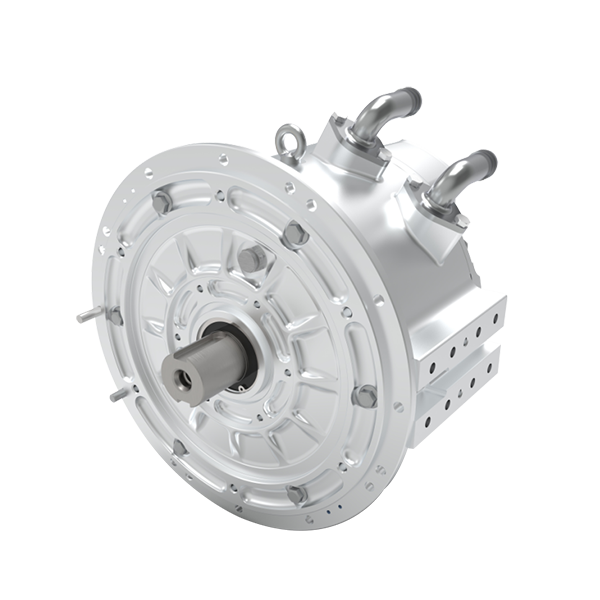
We should look for partners who combine mechanical know-how with digital tools—condition monitoring, firmware updates, and clear efficiency maps. When you evaluate an electric motors supplier, ask for a simple proof-of-performance: a run-in test, measured current vs. torque, and a plan for service response time. Those deliverables show whether a supplier thinks like an engineer or like a catalog clerk.
To wrap up, here are three practical metrics I use when choosing a supplier: 1) measurable response time for on-site failures (hours, not days); 2) demonstrated tuning support for control systems (VFD and field-oriented control expertise); and 3) clear lifetime estimates for wear items (bearing life, service intervals). Use these as your checklist—apply them, and you’ll avoid the common traps I’ve seen. For deeper help, I recommend starting conversations with trusted names. Santroll