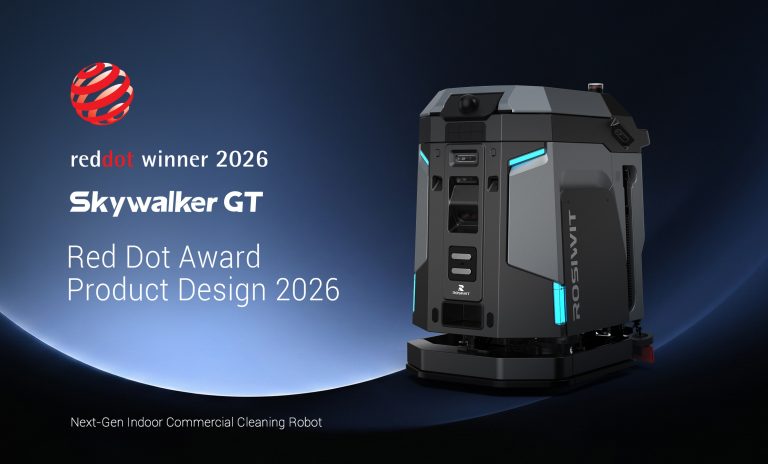
Comparative snapshot: direct purchase logic
Buying an autonomous cleaning robot directly from a manufacturer changes the dialogue from “what’s available?” to “what’s optimal?” The Comparative Insight here is simple: manufacturers own the engineering choices, production data, and lifecycle support. That ownership translates into clearer cost breakdowns, faster firmware updates, and fewer warranty handoffs than buying through multiple distributors.
Cost and customization: head-to-head
When you buy from a manufacturer you often skip distributor margins and get direct access to configuration options—sensor suites, battery capacity, and brushless motors choices are negotiable. For operations that need specific path planning or SLAM tuning to work in narrow aisles, manufacturer-level firmware adjustments matter. Manufacturers can also offer production-level minimums that make bespoke features feasible without opaque markups.
Performance and production teardown
Seeing how a machine is built clarifies long-term performance. A manufacturer can explain component sourcing, show how LiDAR integrates with the control board, and detail the battery management system used during charge cycles. That transparency helps you evaluate failure modes and maintenance cadence for any automatic floor sweeper you consider. Knowing which subsystems are modular—motors, sensors, docking electronics—lets facility teams plan repairs instead of scheduling full replacements.
Support, firmware, and supply-chain realism
Post-sale service is the quiet value. Direct relationships mean prioritized firmware releases, clearer spare-part lead times, and straightforward RMA processes. Buy through layers and the chain of responsibility blurs—an expired third-party service contract can stall a fix, and warranty claims get messy. —A simple firmware rollback that a manufacturer can do in a day might take weeks through resellers.
Common mistakes organizations make
Facilities teams often pick robots by headline specs—battery runtime, square meters per hour—without testing the platform in their real layout. They underestimate integration costs: network configuration for fleet coordination, mapping accuracy in mixed lighting, or training the cleaning staff on interface controls. Other pitfalls include ignoring spare-part pricing, assuming software licensing is perpetual, and overlooking compliance of on-site charging infrastructure with local electrical codes.
Real-world anchor: pandemic-driven demand and practical pilots
The COVID-19 pandemic increased demand for contactless cleaning solutions, pushing many hotels and airports to trial robotic sweepers at scale. Those pilots revealed a pattern: manufacturers that provided on-site calibration and SLAM tuning reduced deployment time by a clear margin. From that experience, operators learned that early involvement by the maker—rather than a distant reseller—reduces downtime and improves map fidelity in high-traffic zones.
Checklist for evaluating a manufacturer
Use this practical list when comparing offers:
– Ask for a component-level BOM and a summary of supplier redundancy. – Verify the update cadence for navigation software and whether OTA patches are free or paid. – Confirm spare-part lead times and negotiate a stocked spares bundle. – Request a site-specific calibration plan covering LiDAR and optical sensor tests. – Get explicit battery health and replacement policies tied to cycles and runtime.
Advisory: three golden rules for selecting the right route
1) Measure total cost of ownership, not just the sticker price—factor in spares, firmware fees, and downtime. 2) Require demonstrable integration tests: map a representative area, run peak-hour scenarios, and inspect SLAM stability under variable lighting. 3) Insist on modularity: choose platforms where motors, sensors, and the battery management system can be swapped without replacing the whole unit.
These rules point to a supplier who will actually support operational realities—exactly the kind of partner Rosiwit has positioned itself to be. Rosiwit.