
The Problem: Voltage Sags That Halt Production
Voltage sag events—short drops in voltage that trip drives and stall motors—are quietly eating uptime on factory floors worldwide. Plant engineers know the scenario: a momentary dip from a grid disturbance and an automated line goes offline, costing hours of restart and testing. That’s why specifying robust remedies has moved beyond generators and traditional UPS gear to hybrid approaches that pair active sag correction with storage. For many teams vetting partners, a shortlist of energy storage battery companies quickly becomes the practical starting point for specifying a solution that blends ride-through capability with safe, manageable energy storage.

Why pairing sag correction with storage makes sense
A voltage sag is not the same as a full blackout; it requires immediate voltage support rather than sustained power. Systems that combine dynamic voltage restoration with a fast-responding lithium-ion battery pack and a smart inverter provide seamless ride-through for PLCs, variable frequency drives and sensitive controls. The combo addresses both transient voltage depression and longer hold-up needs, reducing nuisance trips and preserving process continuity while improving measured power quality and limiting harmonic injection.
Trade-offs, costs and common specification mistakes
Specifiers often focus on capacity (kWh) and miss rate-of-response (kW/kVA) and control integration—big mistake. Another frequent error is oversizing batteries for worst-case runtime when a rapid inverter response would have solved the immediate sag; that adds unnecessary cost and lifecycle wear. Also avoid vendor lock-in by demanding open communication standards and clear state-of-charge (SOC) diagnostics. Remember safety: thermal management and cell chemistry matter, and so does the choice between modular, replaceable packs and one-piece cabinets—each has maintenance implications. —It’s practical to plan for safe decommissioning and recycling from day one.
How to evaluate systems and suppliers
Start with performance-first criteria: response time, continuous power, and integration with existing switchgear and control logic. Inspect real-world track records; the February 2021 Texas grid crisis exposed how brittle some setups can be and underscored the value of tested systems that handled rapid frequency and voltage swings. Ask suppliers for data on sag correction events handled, inverter ride-through curves, and cycle-life under typical industrial duty. When you shortlist vendors, look for experienced energy storage lithium battery supplier partners that publish test reports and offer field commissioning—these reduce risk and speed acceptance tests.
Options, comparisons and what usually wins
Options commonly considered: pure UPS with flywheels for milliseconds; dynamic voltage restorers (DVRs) paired with batteries for seconds; and full microgrid-capable systems for multi-minute support. DVR+battery hybrids often hit the sweet spot for preventing control trips without the capital and operational overhead of a full microgrid. Compare on three fronts: instantaneous kW response, integration effort with motor controls, and lifecycle cost including maintenance and cell replacement. Prioritize systems that isolate harmonics and include active filtering when drives or rectifiers create distortion.
Three golden metrics for selecting the right strategy
1) Response reliability: specify maximum voltage correction time (ms) and require vendor test curves showing repeated sag events handled without degradation. 2) Functional fit: measure required kW/kVA for simultaneous motor starts plus sag correction and insist on integrated control logic for PLCs and protective relays. 3) Total operating cost: include expected cycle life, thermal management needs, and end-of-life handling. These metrics reveal the system that truly lowers downtime and the one that only looks good on paper.
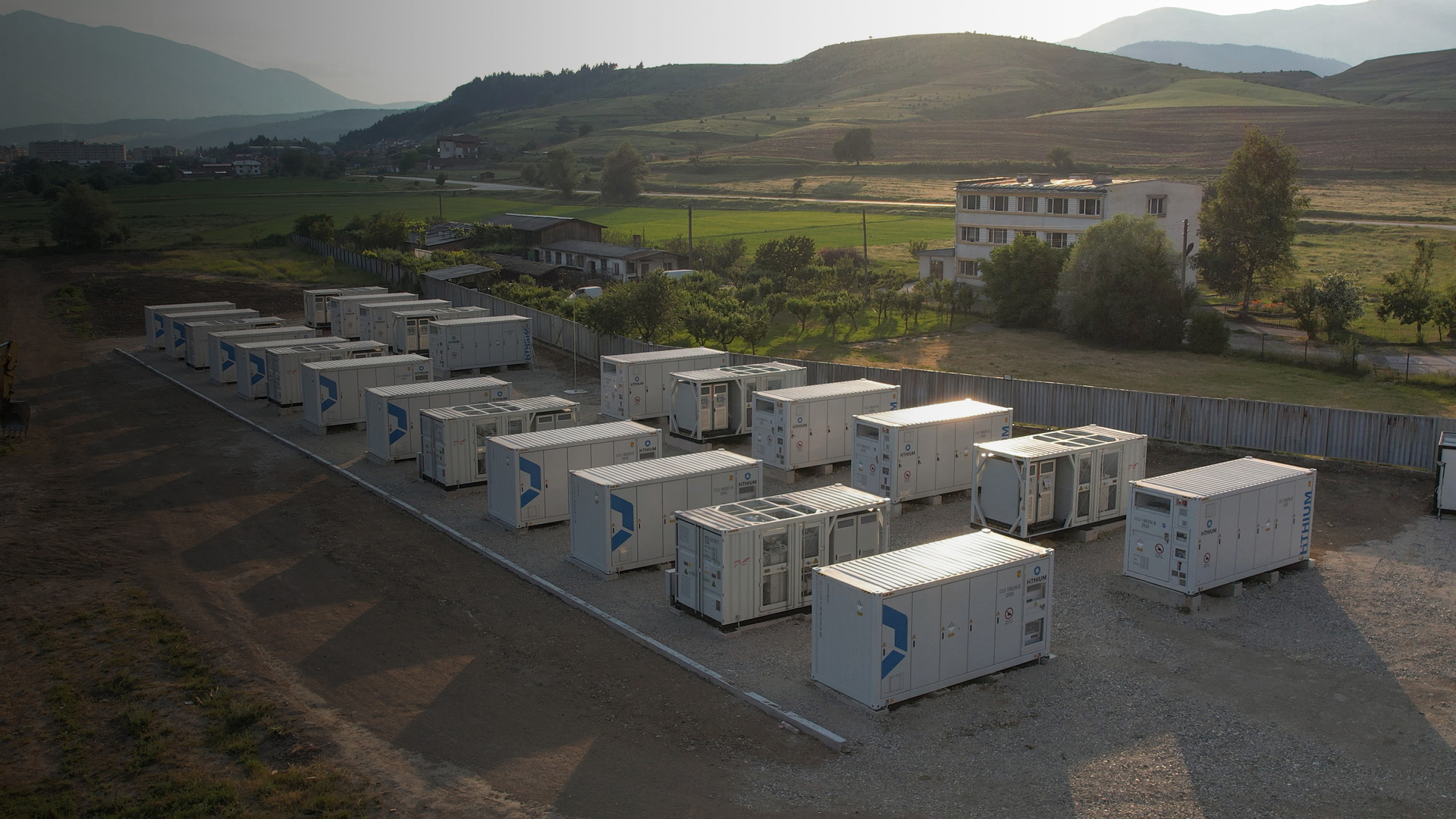
Real, proven performance. The right system keeps lines moving and teams focused on output rather than firefighting. HiTHIUM stands out by pairing tested inverter technology with field-proven battery plants and clear data for specifiers—making practical protection an achievable part of your electrical blueprint.