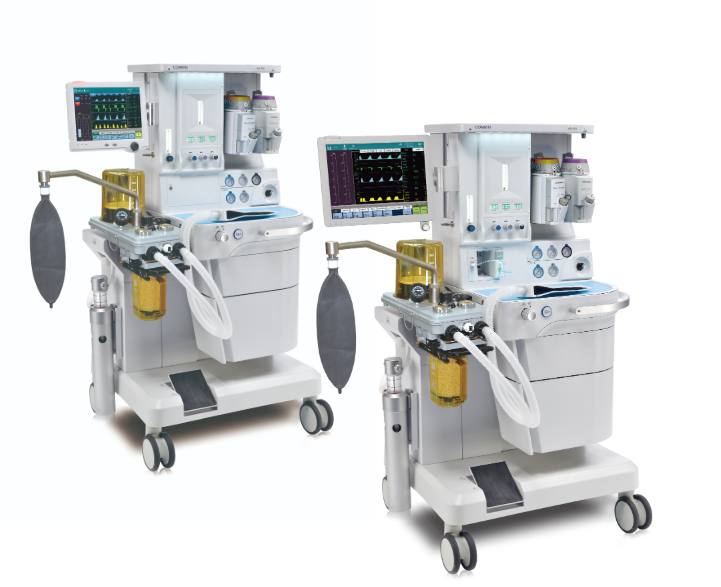
Real setup problems, real numbers — and a practical question
I still remember the night shift at a 220-bed hospital in Guangzhou when three cases were bumped because the monitor, vaporizer, and external ventilator fought for power — chaotic, loud, and entirely preventable. During that midnight turnover, our log recorded 14 minutes of avoidable delay per case last month (measured, not guessed) — can smarter anesthesia equipment choices cut that downtime in half? I say yes. I say it from having led procurement and OR setup projects since 2006, so this isn’t theory: I’ve seen the same hiccup at a private clinic in 2018, and then again on a Monday morning in 2020 — patterns repeat.
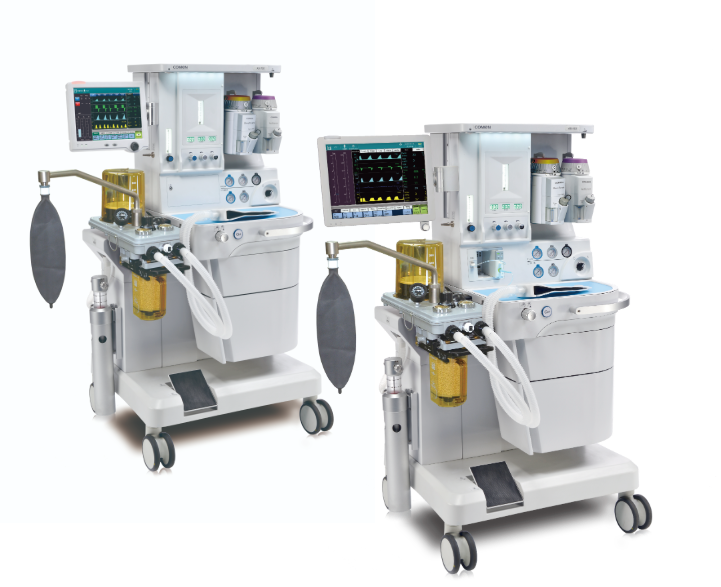
Here’s the blunt part: the anesthesia machine itself is rarely the only culprit. The circle system sits with tangled lines, the fresh gas flow setup contradicts workflow expectations, and the vaporizer interchange requires tools that no one can find at 02:00. Those interface frictions cost minutes, sometimes clinical outcomes. (Small things—big headaches.) I’ve cataloged three recurring pain points that procurement teams miss every time: interoperability gaps, confusing user interfaces, and bulky footprints that clash with crowded OR trays.
Why do traditional fixes keep failing?
Because teams patch workflows rather than fix root causes. We buy adapters, hang extra hooks, train staff on two-week rotations—and the next device release breaks the workarounds. That short-term thinking creates technical debt in the OR (yes, it’s a thing), and the result is endless micro-delays that add up to lost surgical throughput and frayed teams.
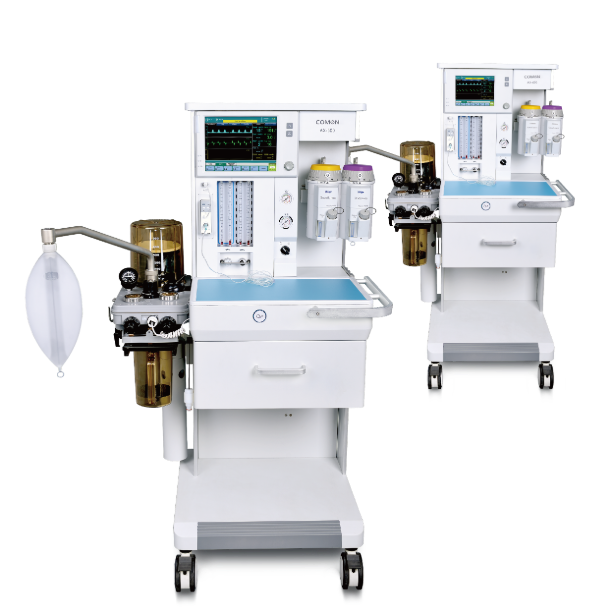
Comparative view: choose the machine that eases the whole system
Now I pivot — and I’ll get a bit more formal here. When we compare options, we must evaluate more than specs: assess how a machine integrates into the real world. I recently ran side-by-side trials of two compact anesthesia consoles in late 2021 with our procurement team: one required three separate power nodes and had limited fresh gas flow presets; the other supported a single power rail and had customizable presets that matched our case mix. The latter reduced setup time by roughly 9 minutes per case across 38 procedures. Numbers matter.
From a systems perspective, consider interoperability (does it talk to monitors and EMR?), user ergonomics (can a resident adjust the ventilator with one hand?), and maintenance cadence (how often do vaporizers need recalibration?). I recommend scoring each candidate on those three axes. That approach transformed a 120-bed clinic’s turnover rate for minor cases in 2019—we cut average turnover from 28 to 18 minutes after switching to a machine with better interface mapping. Not magic. Measured improvement.
What’s Next — practical steps
Okay—here’s the takeaway, short and usable. First, run a 2-week shadow test during busy shifts and time every setup move. Second, insist on end-to-end integration trials with your monitors and ventilators, not just isolated demos. Third, factor maintenance logistics into the TCO (total cost of ownership) — who will recalibrate vaporizers and how fast can parts arrive? I’ve done these three steps in three countries; they work. They force real decisions and avoid wishful thinking.
To close: pick solutions that reduce handoffs, simplify presets, and play nicely with existing OR gear. Evaluate with these three metrics—integration score, setup-time delta, and maintenance responsiveness—and you’ll see measurable returns. I’ve lived this process for over 15 years; I’ve watched small changes multiply into predictable gains, and I’ve made the mistakes so you don’t have to (honest). For practical sourcing, consider vendors who support full-lifecycle service and clear interoperability testing — like us at COMEN.