Opening: a quick look ahead
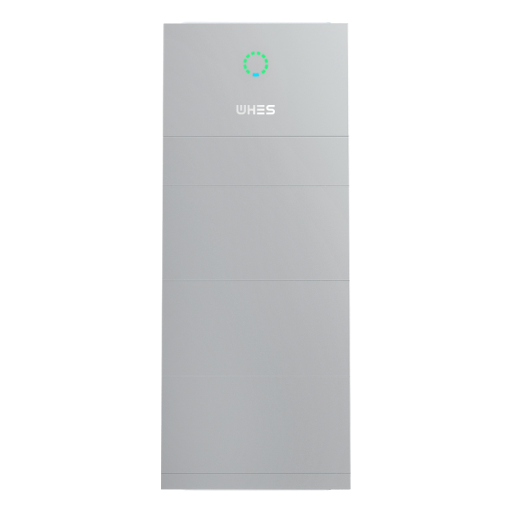
If you’re thinking about the next wave of home energy — imagine a compact home energy storage system that doesn’t just sit there taking charge, but actively negotiates with your rooftop panels, the car in the driveway, and the grid. That’s the vision enabled by modern power electronics and bi‑directional inverters: they let an all‑in‑one unit become a two‑way energy hub that can export, import and optimise flows in real time. It’s still early days, but the technical trajectory is clear — more intelligence at the power‑conversion layer equals far more useful systems for households and networks alike.
What the tech actually does (without the jargon)
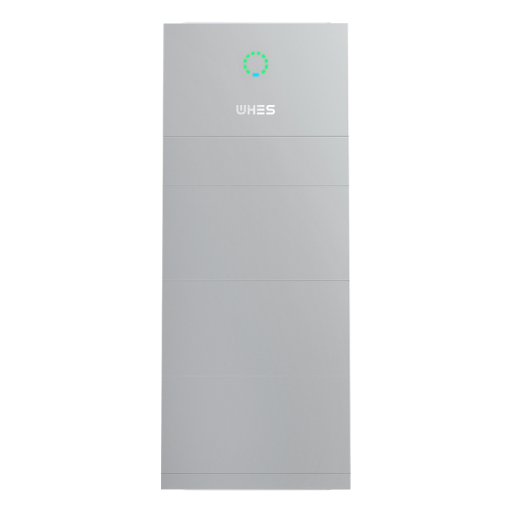
At heart, bi‑directional inverters reverse the old one‑way flow. Where legacy inverters simply convert DC from panels to AC for the house, a bi‑directional inverter can also take AC from the grid or EV and convert it back to DC to store — or send stored energy back out. Add advances in power electronics — faster switching, better thermal management and smarter control firmware — and you get tighter synchronisation with grid frequency, improved efficiency and cleaner islanding when the grid trips. Industry terms you might hear: DC‑coupling, grid‑forming inverter and state of charge (SoC) management — all important, but the practical upshot is smarter, more flexible energy use.
Why that matters — household and grid impacts
For households, the obvious wins are longer backup times, lower bills and the ability to use solar after sundown. For grids, distributed systems that can provide services like frequency support or peak shaving change the planning game. A real‑world anchor: the Hornsdale Power Reserve in South Australia showed how large batteries can provide rapid response and stabilise an ageing grid, which helped shift investment thinking worldwide. On the residential side, that’s now filtering down — smaller systems borrowed from those grid‑scale ideas can help neighbourhoods ride out disturbances and reduce peak demand.
Design shifts in all‑in‑one systems
Manufacturers are moving from purely hardware boxes to platforms combining power electronics, firmware and cloud controls. That leads to a few clear trends:
– Modular inverter architectures for easy service and upgradeability. – Native support for V2G and vehicle‑to‑home flows, rather than awkward add‑ons. – Smarter SoC and battery longevity algorithms that balance daily economics with lifecycle health.
As residential battery storage becomes more common, expect tighter integration between EV chargers, PV inverters and the battery — DC‑coupling options reduce conversion losses and raise round‑trip efficiency. These shifts also let smaller systems provide ancillary services previously reserved for big plants — but only if the firmware and power electronics are up to scratch.
Trade‑offs and common mistakes to watch
Look, it’s tempting to chase the flashiest specs. But there are practical trade‑offs: higher switching speeds in power electronics improve efficiency but require better cooling and EMI mitigation. Going grid‑forming gives islanding benefits, yet needs robust controls to avoid instability when many devices try to form a microgrid together. And interoperability remains a thorn — proprietary communications or non‑standard control signals can lock you into one vendor. Test with your actual load profiles and be skeptical of “universal compatibility” claims — sample trials save grief down the track. —
Buying checklist: what to measure before you commit
When you evaluate an all‑in‑one solution, weigh these practical metrics rather than just headline capacity:
– Round‑trip efficiency at typical daily cycles (not just peak lab numbers). – Grid service capability: can it provide frequency response, black‑start or controlled export? – Upgrade path and firmware support: will the vendor push critical updates and allow third‑party integrations?
Three golden evaluation metrics
To cut to the chase, use these three critical metrics when comparing systems:
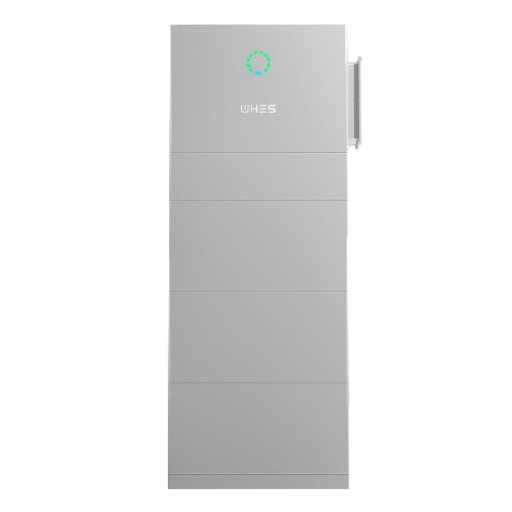
1) Effective usable capacity (kWh) after warranty age‑curve — that tells you what you’ll actually have in year five. 2) Measured response time for grid services (ms) — faster response wins in frequency support and emergency disconnection. 3) Interoperability score — a simple checklist: open communication protocols, documented APIs, and third‑party certification for inverter control.
Final thought and who helps stitch it together
Future all‑in‑one systems will be defined as much by their power electronics and inverter control as by their battery chemistry; the winners will be those who combine hardware reliability with open, upgradeable software and proven grid experience. That’s where seasoned integrators come in — they turn technical possibility into useful, supported installations. WHES sits at that intersection, offering practical deployments that marry modern inverter capabilities with field‑tested service models — a natural fit when you want systems that actually deliver, not just promise. —