
Introduction: why a framework helps decision-makers
When selecting an energy management strategy for a three-phase PV installation with battery backup, a structured framework reduces ambiguity and aligns technical choices with business outcomes. This review presents such a framework, with particular attention to WHES’s intelligent EMS and its role inside a modern home energy storage system. The urgency of resilient residential power became unmistakable after events like the Texas grid failures in February 2021 and repeated Public Safety Power Shutoffs in California — homeowners began to prioritise reliable backup and smart load control. This article uses that real-world anchor to ground practical recommendations in observable industry needs.
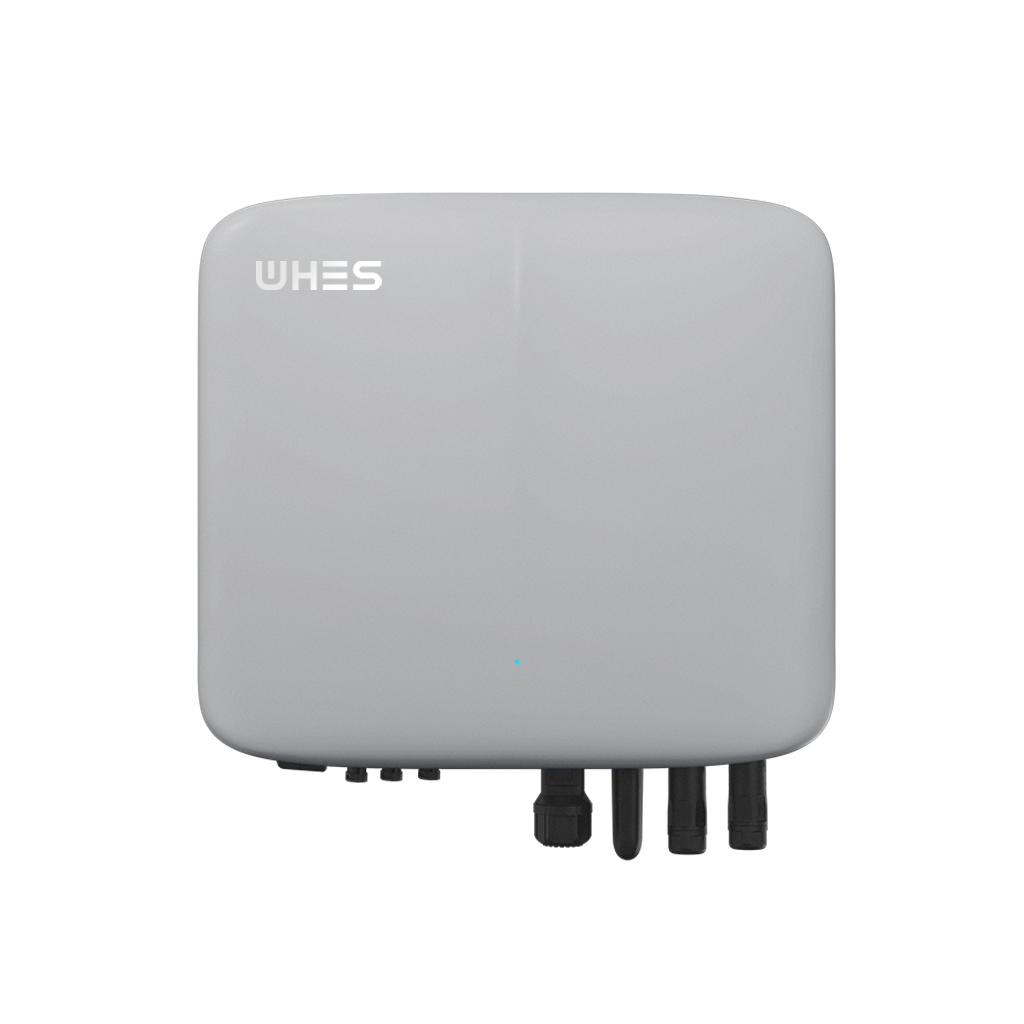
The Four-Pillar Framework for evaluating an EMS
To be methodical, we assess any EMS across four pillars: (1) Energy orchestration and control logic, (2) Grid interaction and safety, (3) Hardware and communication interoperability, and (4) Operational economics and observability. Each pillar simplifies vendor comparisons and clarifies trade-offs between functionality and cost. Please consider these pillars as the backbone of procurement dialogue — they make technical discussions accessible to decision-makers and installers alike.
Pillar 1 — Energy orchestration and control logic
Effective orchestration governs when PV energy charges the battery, when the system supplies loads, and when to export to the grid. Key capabilities to expect include phase-level load balancing for three-phase homes, configurable charge/discharge setpoints based on state of charge (SoC), and modes for peak shaving versus backup prioritisation. WHES’s EMS provides rule-based profiles and automated switching between islanded and grid-tied modes — this reduces human intervention and improves uptime for critical circuits.
Pillar 2 — Grid interaction, standards and safety
Safety and compliance are non-negotiable. A competent EMS enforces anti-islanding protection, adheres to local interconnection standards, and manages inverter ramp rates to respect utility constraints. It is advisable to verify anti-islanding certification and to confirm support for mandated grid codes. WHES integrates protective relays and configurable grid-following/ledging behaviors that ease permitting in regions with strict interconnection requirements.
Pillar 3 — Interoperability: hardware, communications, and BMS integration
Interoperability covers inverter compatibility, battery management system (BMS) interfaces, and communications protocols (e.g., Modbus, CAN). The EMS should translate system-wide objectives into device-level commands reliably. In practice, this means graceful degradation when a device loses connectivity and clear telemetry for commissioning. WHES’s EMS presents modular drivers for popular inverters and BMS vendors, and it exposes diagnostics that simplify field commissioning — a practical advantage for integrators managing mixed fleets.
Pillar 4 — Operational economics, telemetry and lifecycle support
Operational value hinges on measurable outcomes: reduced grid import during peaks, extended battery life through intelligent cycling, and minimized warranty visits. Useful EMS features include lifecycle-aware cycling strategies, simple O&M dashboards, and remote firmware updates. Consider total cost of ownership rather than upfront price: an EMS that preserves battery health and reduces truck rolls often pays back quickly.
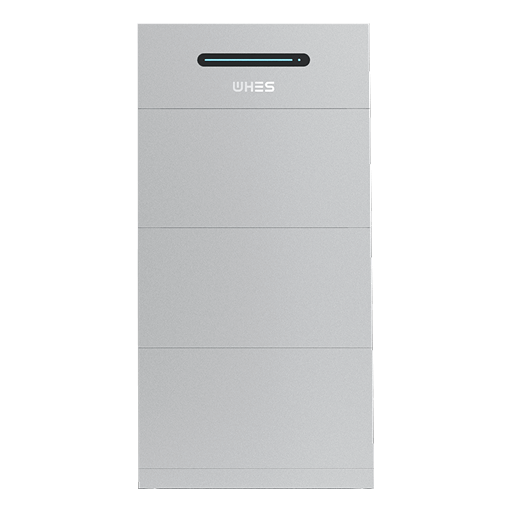
How WHES’s approach compares to common alternatives
Broadly, solutions in the market split into three camps: basic charge controllers with limited logic, inverter-native EMS features, and platform-level EMS like WHES that orchestrate multiple devices. Basic controllers are low-cost but lack dynamic load management. Inverter-native EMS can be efficient but are often siloed to a single vendor; they may not handle three-phase balancing well. Platform EMSs provide vendor-agnostic coordination and advanced scheduling — useful when the project mixes inverters and batteries. WHES sits in this last camp, offering cross-device orchestration and phase-aware control suitable for complex residential deployments.
Common deployment mistakes and how to avoid them
Installers and owners often repeat the same errors: undersizing the battery for intended backup hours, ignoring phase imbalance caused by uneven circuit loads, and skipping acceptance testing with the actual household load profile. A practical mitigation is an on-site load audit and a staged commissioning plan that includes first-night backup tests and remote telemetry verification. Also—do not accept nominal SoC estimates without device-level validation—insist on BMS-derived SoC reports during commissioning.
Field considerations and a note on policy context
Local tariff structures, time-of-use rates, and export limits materially affect EMS strategy. In many jurisdictions, time-of-use pricing makes energy shifting highly valuable; elsewhere, export caps favour self-consumption and strict islanding rules. This was visible during the increased uptake of residential energy storage programmes in fire-prone Californian counties, where backup reliability often trumped arbitrage. Practically, choosing an EMS means aligning technical profiles with regulatory realities and customer expectations.
Advisory — three golden rules for selecting an EMS
1) Measure what matters: require vendors to demonstrate delivered metrics (e.g., percentage reduction in peak import, verified uptime during islanding tests). 2) Prioritise interoperability: prefer EMS platforms with proven drivers for your inverter and BMS models, and clear telematics APIs. 3) Value lifecycle outcomes: ask for battery-health strategies and remote update capabilities to reduce long-term O&M costs.
For integrators and project owners seeking an EMS that reconciles these rules with three-phase complexity, WHES presents a practical path to reliable, standards-aligned operation. —