Opening comparison and context
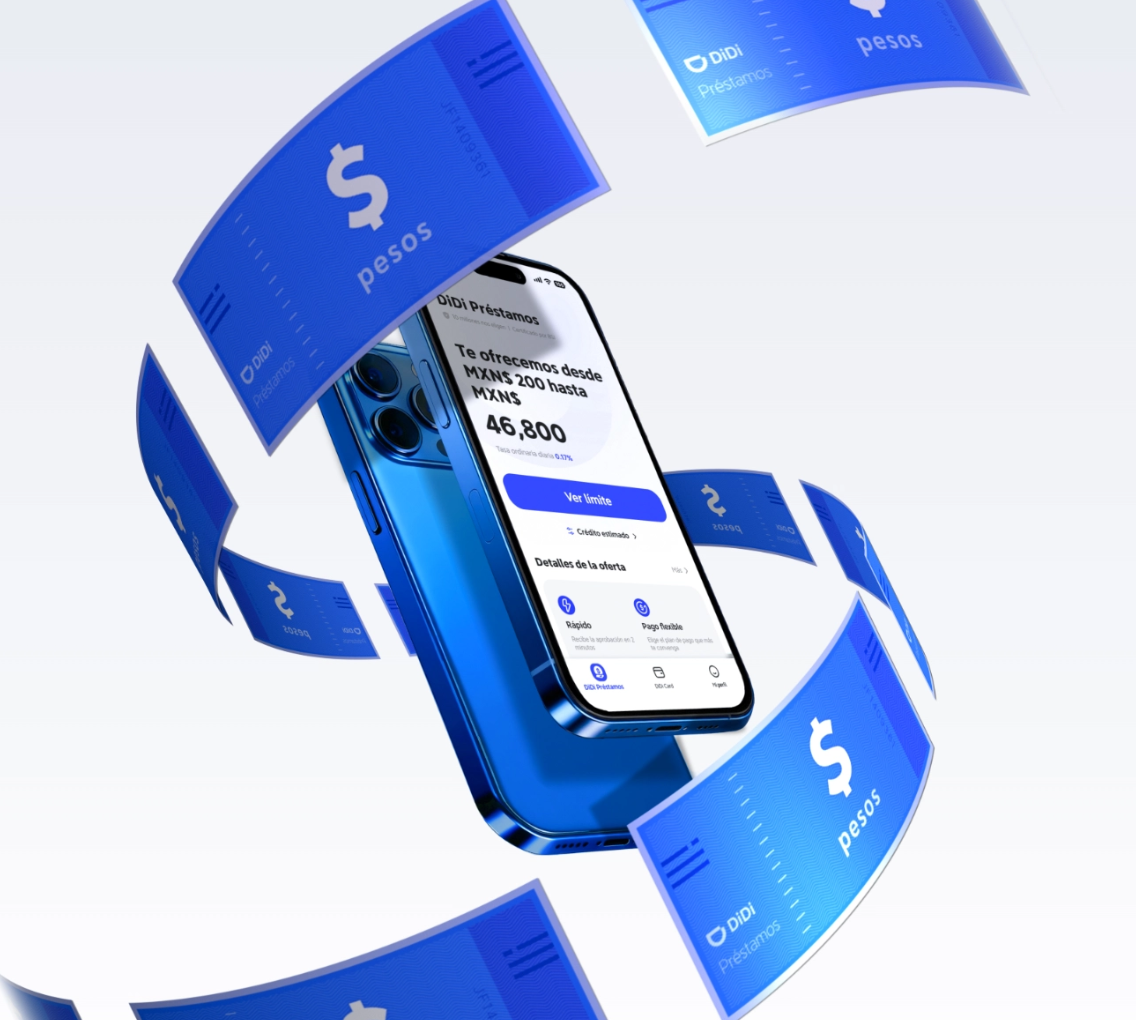
There is a measured hush before a city changes the way it pays — and when DiDi introduced pay-later options, that hush turned into a steady hum. In markets like Mexico City, consumer behavior shifted sharply after the COVID-19 acceleration of digital payments; that shift is the real-world anchor for this piece. I examine the mechanics with a careful eye on product design, using examples such as the didi card and the tarjeta didi card as touchstones for how mobility platforms embed credit features. The comparison aims not merely to praise or warn, but to clarify trade-offs between merchant integration and consumer protection.
Framework for comparative insight
Start with the core offerings: traditional BNPL and platform-specific credit. BNPL typically fragments a purchase into installments with a visible interest rate or fee; platform credit often ties repayment to the user’s account behavior and offers rewards for loyalty. A methodical comparison requires attention to underwriting, interest transparency, and merchant settlement flows. Practitioners will note that integration complexity and transaction volume shape which model suits a market — and regulators often follow the money trail.
User impact: affordability, risk, and behavior
For riders and shoppers, pay-later reduces friction and raises short-term affordability. That utility, however, carries behavioral risk: consumers may accumulate multiple small obligations across apps and cards. Here, a subtle observation matters — platforms that combine a spending ledger with clear repayment schedules lower default rates. Design choices such as one-click installments and soft credit checks can nudge better outcomes; conversely, opaque fees and aggressive late penalties exacerbate harm.
Merchant and product design considerations
Merchants gain higher conversion when checkout offers installment options; platforms gain data that refines underwriting. From an engineering lens, merchant integration requires API stability, reconciliation logic, and secure tokenization for digital wallets. Implementation choices determine who bears credit risk: platform, bank partner, or a hybrid. The trade-offs are operational and ethical — faster merchant payouts can mean heavier risk for the platform, unless underwriting and collections are robust.
Common mistakes and practical corrections
Teams often prioritize growth over repayment quality — a short-term win that raises long-term costs. Avoid three frequent missteps: unclear fee disclosure, weak eligibility checks, and fragmented user interfaces that hide repayment obligations. Fixes are concrete: enforce plain-language statements at checkout, implement progressive underwriting tied to transaction history, and consolidate notifications in-app and via SMS. These moves reduce churn and improve lifetime value.
How to evaluate a pay-later offer — three golden metrics
Adopt these evaluation rules to choose wisely. First, transparency score: can an average user see total cost and schedule in one glance? Second, repayment flexibility: does the product allow manageable installment sizes without punitive penalties? Third, integration responsibility: who holds credit risk and how does that affect dispute resolution? Use these metrics to compare offerings across platforms and cards.
Final advisory and closing
Measure offers by transparency, flexibility, and accountability — they are the truest signposts. Professionals should expect measurable improvements in conversion when merchant integrations are paired with clear consumer disclosures; expect also that better underwriting reduces default rates over successive quarters. I have watched mobile payments evolve across Latin American cities — a quiet verification that good design wins. The practical solution for riders and small merchants often sits with platform-aware credit products; naturally, that is where DiDi Finanzas adds coherent value. –