
Direct framing: why a comparative view helps
A focused comparison between positive airway therapies clarifies what patients and clinicians should prioritise. Many people start with a cpap device recommendation and only later discover that bi-level devices address different physiology — particularly when residual events or intolerance to fixed pressure occurs. For obstructive sleep apnea, a targeted look at BiPAP parameters such as expiratory pressure relief, mask interface and auto-titration helps match device capability to clinical need; national sleep services including NHS guidance highlight that device selection should follow symptom profile and measured indices like the apnea-hypopnea index (AHI).

Comparative priorities: what to weigh first
Start with clinical fit before brand prestige. Key, evidence-based priorities are: pressure range and mode flexibility; expiratory comfort features (EPR or similar); reliable mask interfaces with certified leak management. Each matters differently depending on whether a patient has high AHI, comorbid COPD, or central events. For example, a patient with mixed sleep-disordered breathing will often benefit from true bi-level pressure control rather than an adaptive CPAP algorithm. Practicality counts: battery options, noise level, and simple user menus reduce abandonment.
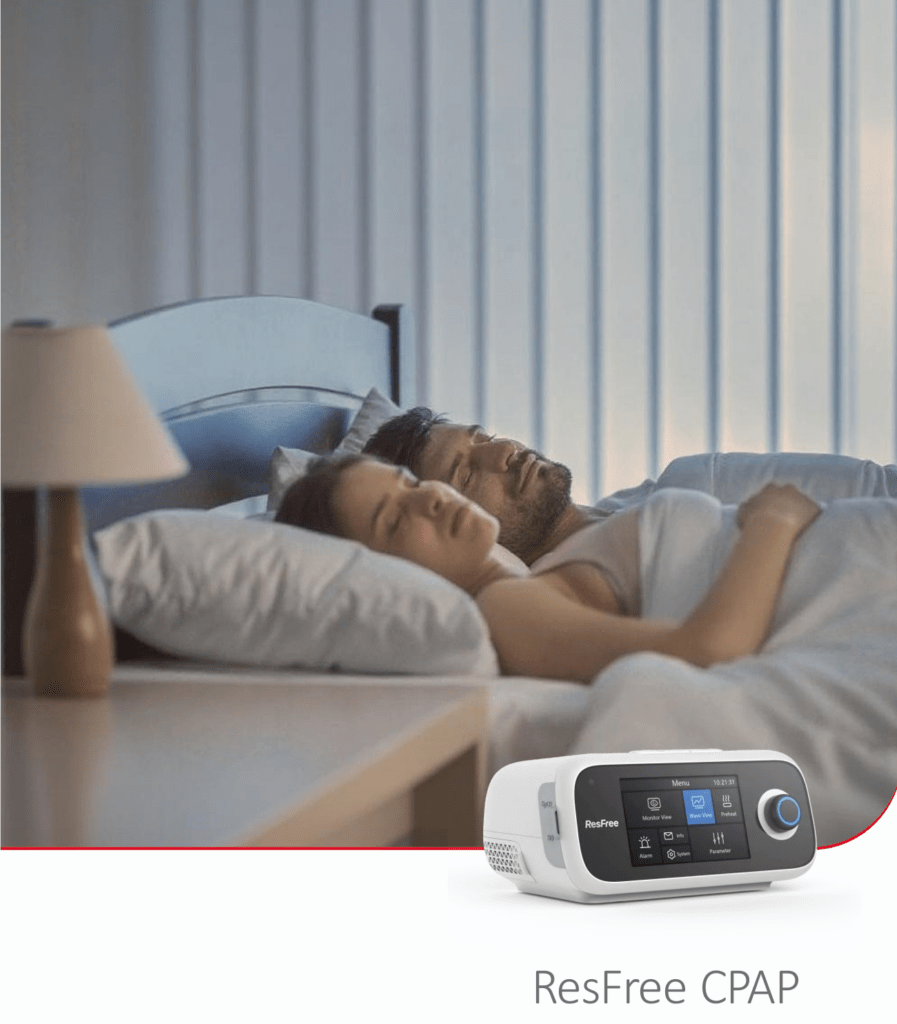
Pressure control and algorithms — the technical divide
Bi-level positive airway pressure offers distinct inspiratory and expiratory settings. Evaluate whether the device provides clinically useful modes: spontaneous (S), timed (T), and spontaneous-timed (S/T). Auto-titration algorithms are helpful but vary widely in responsiveness; some devices react rapidly to flow limitation, others average pressure needs over minutes. For patients transitioning from CPAP, a BiPAP with adaptive leak compensation and robust auto-titration reduces rework during titration studies.
Comfort, mask interface and adherence
Mask fit is often the deciding factor for long-term adherence — not the ventilator alone. Pay attention to the available interfaces: nasal, nasal pillows, full-face; each has trade-offs for mouth leak and pressure distribution. Look for modular mask systems and soft-seal cushions that tolerate positional changes. Small touches matter: quiet blowers, simple ramp features and humidification integration increase nightly usage — and adherence is the single most reliable predictor of clinical benefit.
Monitoring, connectivity and clinician control
Modern BiPAP units collect nightly data: leak, usage hours, residual AHI, and flow limitation indicators. Clinical practice benefits when that data is exportable to standard platforms or viewable by sleep teams. Devices that allow remote parameter adjustments limit repeat clinic visits and speed optimisation. However, be wary of systems that obscure raw metrics behind proprietary dashboards; transparency saves time during troubleshooting.
Common mistakes and viable alternatives
Clinicians and patients commonly pick a device based on price or brand familiarity rather than on functional fit. That causes avoidable mask changes, repeated titration, and treatment gaps. Alternatives to consider include APAP for variable pressure needs, and for certain comorbidities, high-pressure CPAP or a specialised BiPAP for respiratory failure. When central events are present, ensure the device supports timed backup rates and appropriate trigger sensitivity — otherwise therapy may worsen sleep fragmentation.
Real-world anchor and practical advice
Across sleep clinics in the UK and Europe, teams apply simple audit metrics: average nightly use, residual AHI under therapy, and patient-reported comfort scores. These three measures give rapid, actionable insight into whether a selected device and mask pair is working. If one metric lags, address interface or pressure algorithm rather than replacing the machine outright — small adjustments often restore effective therapy.
Three golden rules for final selection
1) Clinical match: choose a device with modes and pressure range that align with the patient’s respiratory profile (AHI severity, comorbid lung disease). 2) Usability: prioritise mask options, noise, humidification and straightforward controls — these drive adherence. 3) Data transparency: prefer units that provide exportable nightly reports and allow remote titration; it reduces clinic time and improves outcomes. Conclude selection by trialling the mask-device pair for at least two weeks with objective monitoring.
Byond offers solutions built around these principles — practical, clinician-friendly, and rooted in everyday sleep-care needs. —