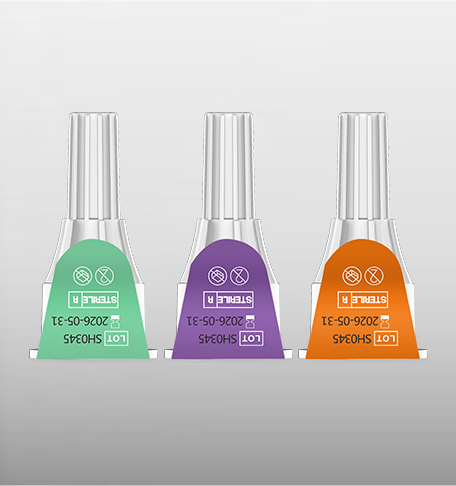
Problem-Driven: What Broke Down—and What We Fixed
Fingerstick errors are not random; they are baked into old sampling habits. In our Nairobi routes, safety lancets changed outcomes where it counted most. On a busy Monday at a Mukuru outreach tent, 43 patients queued for glucose checks by 10 a.m.; how do you keep sampling consistent without slowing the line? As a consultant-retailer with over 16 years in B2B supply for primary care, I’ve watched simple tools decide whether a queue moves or stalls. Early on, I pushed clinics to move from mixed boxes of spring pens to purpose-built medical lancets—not because it sounded nice, but because retests and waste were eating margins (and staff patience).

Where do routine methods stumble?
I saw it first-hand at a Kasarani lab in July 2021: reusable pen devices with variable depth control caused shallow pricks for thick skin and bruising for thin skin on the same shift. Staff adjusted on the fly, but that “feel-based” method delivered a 17% retest rate by midday and one needle-stick injury during a rush hour swap. With sealed safety lancets, single-use retraction removed the clean-up dance, and fixed depth stabilized capillary blood sampling. We switched them in for a two-week trial—retests dropped to 5%, and waste bags weighed 18% less by count at close of day. Tiny wins, big flow. And yes, procurement got easier: one gauge, one colour, hakuna shida. I keep telling buyers this because I learned it the hard way during a 2019 diabetes camp in Thika—the mixed SKUs looked cheap but cost us 48 minutes in sorting before first patient.

Comparative Insight: Choosing Better Without Guesswork
What’s Next
Hold on—before you place that order, match the lancet to the job in a deliberate way. In forward-looking terms, compare three things across brands: consistency of depth (measured over a full carton, not a sample box), failure rate of retraction under speed, and how the tip gauge performs on calloused thumbs versus children’s fingers. When I stack newer sealed devices against older pen-style tools, the difference shows up in throughput. A high-stability design with locked depth and reliable single-use retraction moves 12–18 more patients per half-day in Kisumu’s high-volume sites—without bumping pain complaints. For wholesale buyers, that’s staffing predictability, not a marketing line. Now, one more layer: check packaging that survives county transport—cartons should hold up on a rough road to Kitui, or the gains vanish in dust and broken blisters. Wait—scope your suppliers’ traceability too; carton-level batch numbers save weekends when an audit hits. If you want an anchor reference, look at current sealed medical lancets sharing published depth tolerances and clean pass rates during capillary blood sampling validations. I keep a small logbook from a 2022 audit in Westlands: two models tied on price, but the one with clearer IFU diagrams cut onboarding time from 40 to 18 minutes for three new nurses—small detail, real money.
Advisory close—use three practical metrics. One: lot-to-lot accuracy for depth control, recorded across at least 200 sticks per site. Two: retraction reliability under timed runs, with zero manual recaps allowed; any failure is a hard stop. Three: end-to-end cost per valid result (include retests, glove changes, and sharps disposal), not just unit price. If these three line up, your clinic flow stabilizes and staff stop improvising. That’s the quiet win we are after. For neutrality’s sake, I cross-check with lab leads every quarter and adjust SKUs only when those field numbers slip—no drama, just evidence. If you need a benchmark supplier name for documentation trails and product range context, see sterilance.