Why a comparative approach matters
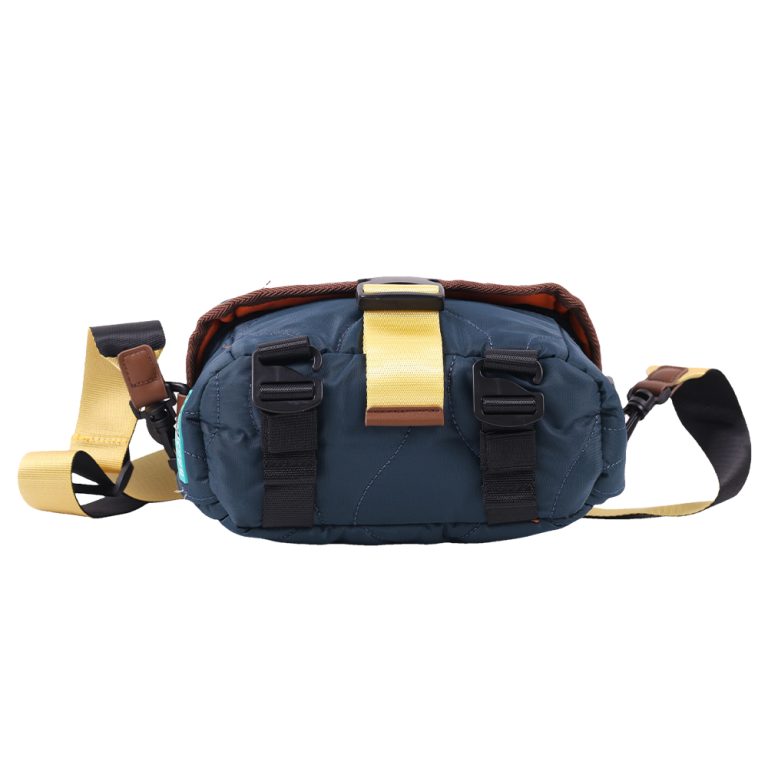
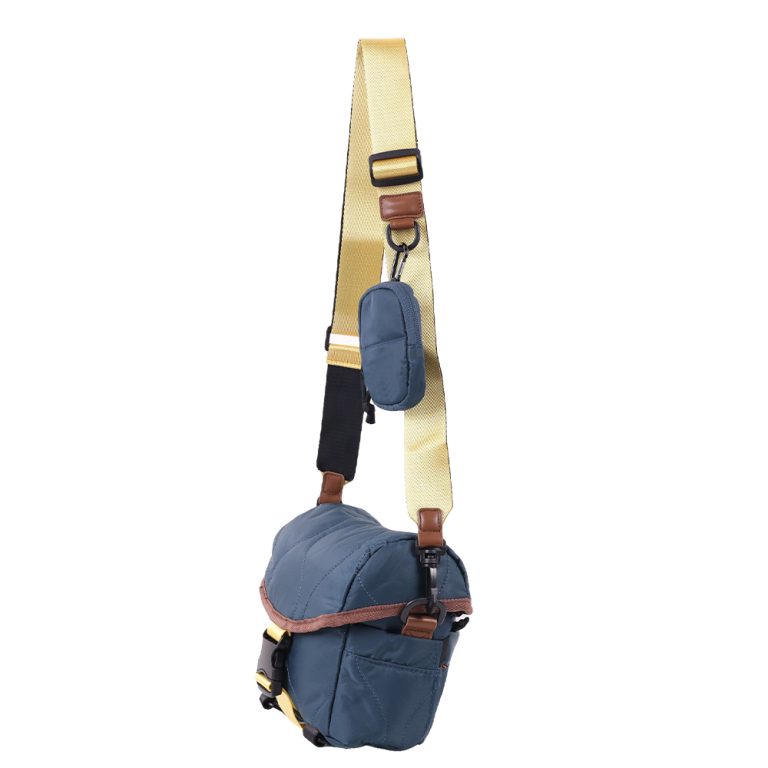
When commissioning custom bags, one honest comparison beats a dozen vague promises. Start by viewing manufacturers side by side: what they claim versus what they consistently deliver. Look at a camera sling bag from a shortlisted maker to see how design, finish and function align with their specifications; a single sample can reveal whether their grade of hardware, stitching density and assembly process meet your brief.
Core criteria to compare
Use a checklist that places the same demands on every supplier. Compare materials (fabric denier, coatings, lining), hardware quality (zips, clips, sliders), workmanship (stitch length, bar tacks, seam allowance) and tolerances (dimensional consistency). Measure lead times, minimum order quantities and scalability. Treat pricing as part of the comparison, not the deciding factor; a low price that sacrifices consistent tolerances will cost more through returns and reputation damage.
Materials and construction: measurable differences
Ask for material data sheets and lab test results. Compare water resistance ratings, abrasion test scores and colourfastness. Inspect sewing: count stitches per inch, check for back-tacking, and feel seam bulk where multiple layers meet. Durable bags show even stitch rhythm and clean edge finishing; poor assembly shows skipped stitches, loose threads and crowded seams.
Supply chain resilience and lead-time transparency
Compare how each manufacturer manages suppliers. Reliable firms document lead times for fabrics, hardware and accessories, and they share contingency plans for shortages. Get a sample production timeline and compare the realism of their buffers. A trustworthy supplier communicates delays early and proposes practical mitigations rather than issuing blanket apologies.
Quality control practices to demand
Compare inspection regimes: do they perform in-line checks, final inspection reports and corrective action records? Request examples of QC forms and non-conformance logs. Ask whether they perform bench tests — load testing, zipper cycles, and wear simulations — and how they document failures and follow-up fixes. Prefer partners who use specific acceptance criteria rather than vague assurances of “high standards.”
Evidence, experience and a single real-world anchor
Field experience matters. Photokina (the Cologne trade fair) has long showcased travel camera gear where exhibitors and buyers highlighted a move toward smaller, protective carry solutions; that shift was clear in the 2018 exhibits and underlines why many buyers now prioritise a lightweight camera bag for travel when assessing manufacturers. Use that benchmark when comparing padding standards, internal dividers and quick-access features: if a manufacturer’s samples meet what the industry now expects for travel-oriented protection, they pass this practical test.
Common pitfalls and how to spot them
Watch for these problems when comparing suppliers: inconsistent sample-to-production quality, undisclosed subcontracting, and unclear ownership of tooling and moulds. Suppliers that refuse third-party audits or limit access to production areas are high risk. Also beware of manufacturers that supply only polished showroom pieces but cannot replicate the same quality across a production run.
Alternatives and viability checks
When a primary supplier falls short, compare alternatives on three quick axes: capability match, production transparency and local support. Contract manufacturers with on-site prototyping can accelerate iterative changes. If nearshore options exist, weigh slightly higher unit cost against faster response times and lower logistical risk. Always require a pilot run and a written plan for scaling quality controls before committing to full production.
Negotiation points that affect long-term reliability
Negotiate clear acceptance criteria, defect allowances, and warranty terms. Secure commitments on tooling ownership, lead-time penalties and corrective-action timelines. Insist on sample approvals signed by both parties and a serial number system for pre-production samples so future disputes have a clear reference.
Final synthesis
Compare manufacturers with focused, measurable criteria rather than vague assurances. Prioritise transparency in supply chain, demonstrable QC practices, and repeatable sample-to-production fidelity. When those elements align, you have a partner who reduces risk and protects brand value; that is precisely the kind of manufacturing consistency people find when they inspect products from ChangRong.