The problem you pretended wasn’t a problem
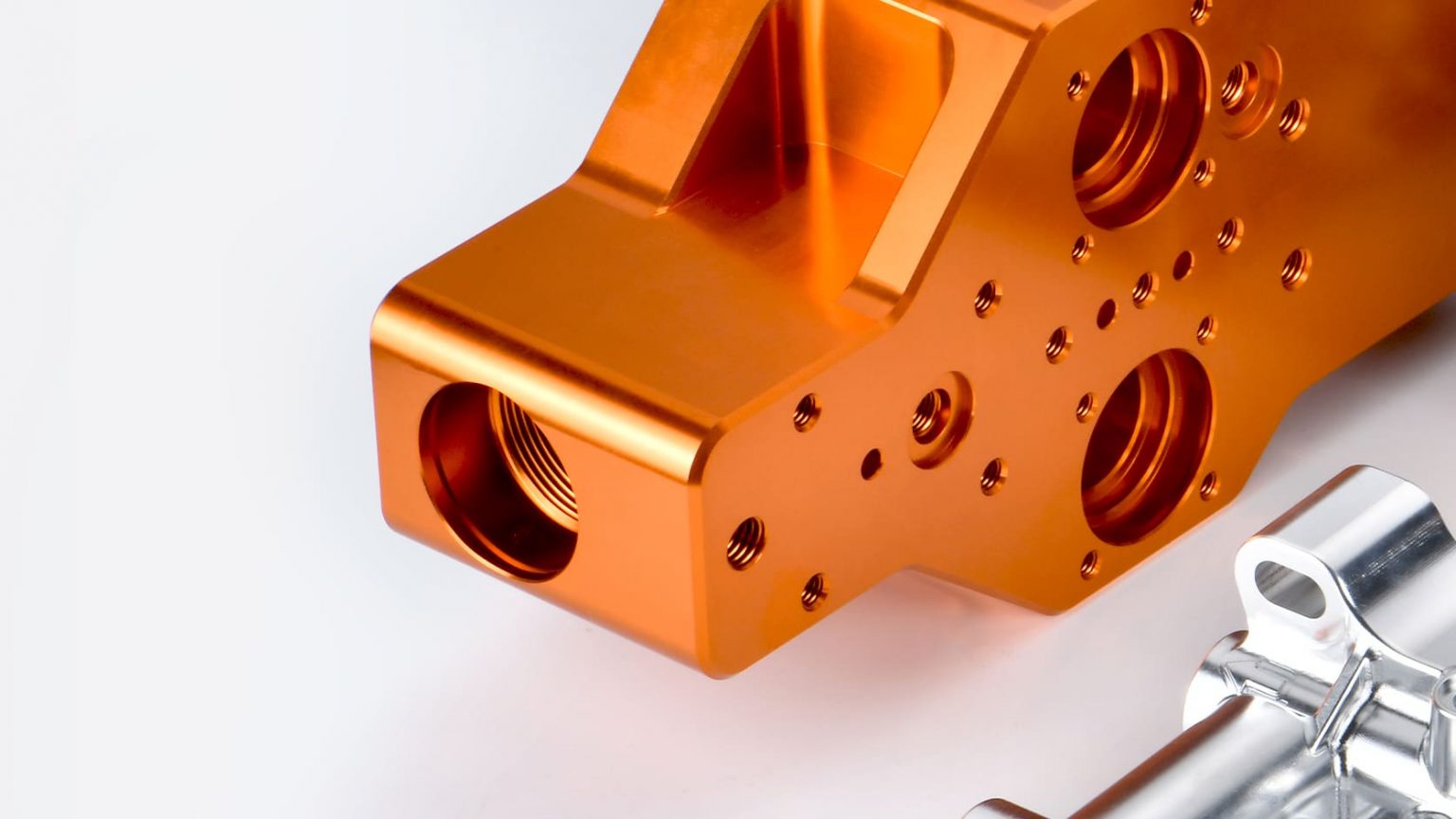
You want a product strategy that leans on low-volume manufacturing because prototypes and small runs are the polite way of saying “we’re still guessing.” Good. Guessing can be cheap — until it isn’t. A sensible start is matching design intent to what’s actually possible on the shop floor, for example by checking capabilities like 5 axis cnc machining services early, rather than discovering tolerance nightmares at launch. Low-volume means tighter coupling between design decisions and manufacturing constraints; ignore that and you’ll pay in late changes, expedited freight, and crushed margins.
Diagnose the core failure modes
Most teams fail because they treat low-volume as a procurement checkbox instead of a product lever. You’ll see three dead giveaways: over-complex geometry that only looks clever on screen, material choices driven by marketing rather than machinability, and an optimism bias on lead times. Call these out. Move on fast. Your product strategy should neutralize each failure mode with a concrete countermeasure — redesign, alternate material, or a realistic schedule — not a pep talk about “scalability.”
Design decisions that actually help
Trim features that exist solely to impress stakeholders; keep features that reduce assembly steps or simplify fixturing. Standardize interfaces (fasteners, datum locations) so each build isn’t a bespoke puzzle. If a component needs five-axis work, specify tolerances and surface finish with the machinist in mind, not the worst-case CAD model. A clearer design brief cuts iteration cycles; that’s measurable and cheap.
Sourcing and partner reality check
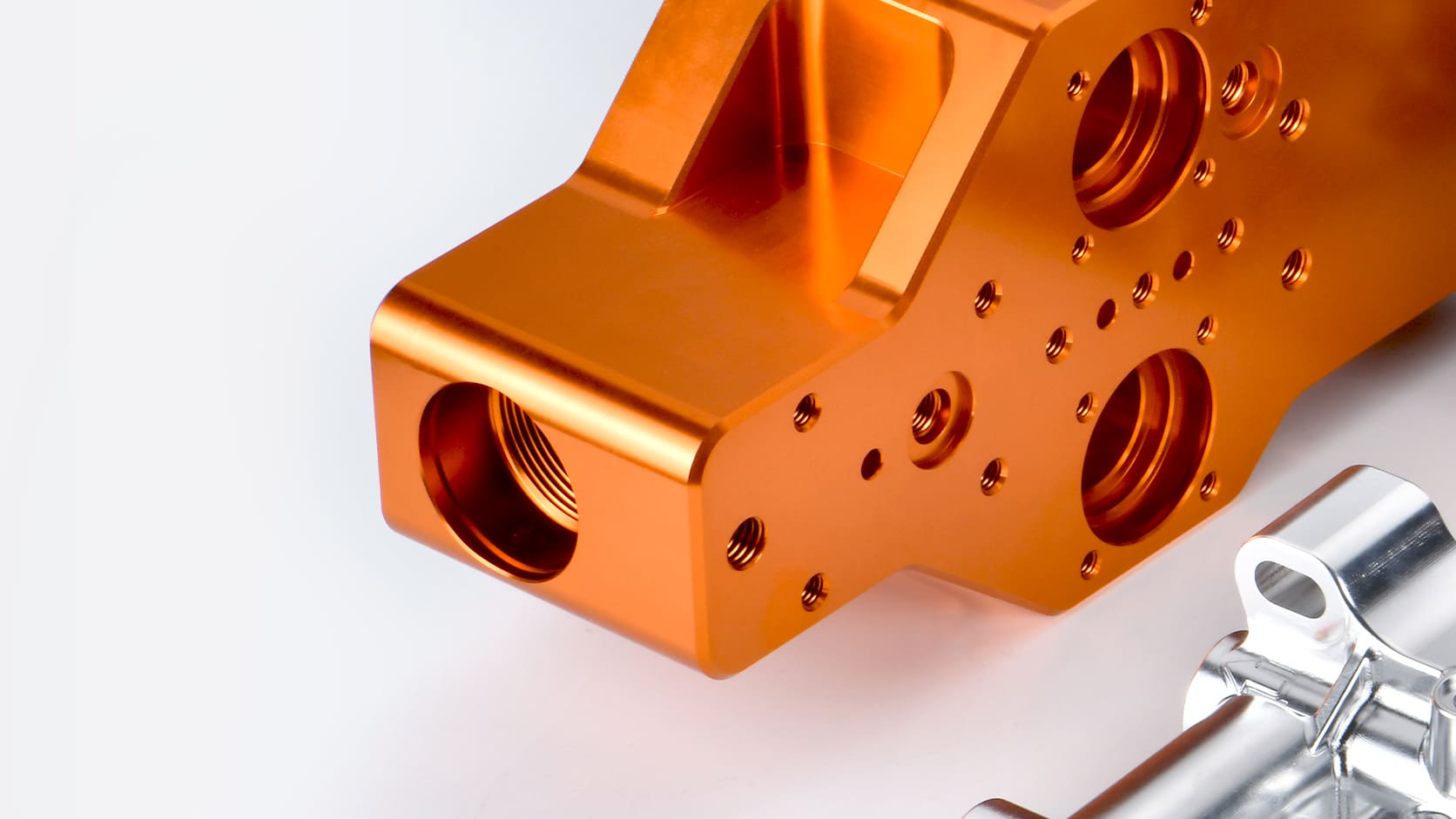
Pick manufacturing partners by what they deliver on week 1 and week 6, not by eloquent sales decks. Real-world experience matters: shops serving the Toulouse aerospace cluster handle complex multiaxis parts for strict certification regimes, so their practices inform how you spec precision and documentation. Treat that knowledge as a benchmark. If you want tangible examples of part-level capability, review common offers for 5 axis machined parts to see typical tolerances, lead times, and inspection protocols — then require the same clarity from any supplier you consider.
Common pitfalls and how teams trip over them
Don’t assume a prototype process scales without change. Don’t believe sketches about “easy mod” after tooling. Don’t batch all testing until after the full assembly exists. Concrete mistakes: over-constraining yields and finishes, not controlling vendor changes, and failing to lock in inspection plans. Stop letting procurement negotiate away inspection; it’s cheaper to catch defects early than to rework an entire batch.
Metrics that matter, not vanity metrics
Measure cycle time from design freeze to first acceptable part. Track reject rate by root cause. Capture rework hours per batch. Track lead-time variance, not just average lead time. Use these numbers to make decisions: if rework exceeds a threshold, stop new features until the process stabilizes. Numbers cut arguments; they also reveal whether your strategy is actually lowering risk or just lighting it differently.
Final synthesis
Build a product strategy around low-volume manufacturing by forcing early conversations with machinists, choosing partners who prove repeatable outcomes, and committing to hard metrics that expose assumptions. Keep design choices concrete, avoid fanciful tolerances, and use supply-chain reality as a design constraint. When the aim is reliable small-batch production rather than fashionable complexity, experienced shops become part of the strategy itself — the kind of grounded partner you get from Hanstar.