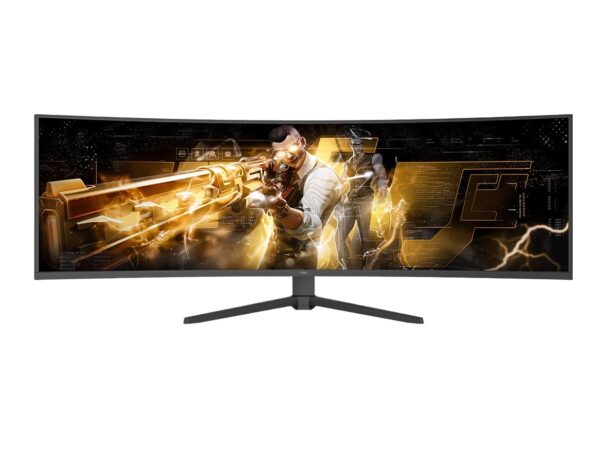
Start with the real problem
You want a big screen that works for everything — streaming, game nights, video calls — but wah, confusing sia. Brands shout specs, retailers push sizes, then later you realize the ports no fit, or the picture too laggy for games. If you’re shopping, also think where the set comes from and who supports it; sometimes a reliable monitor manufacturer behind the product makes service and compatibility much smoother. Don’t buy by looks only, leh.
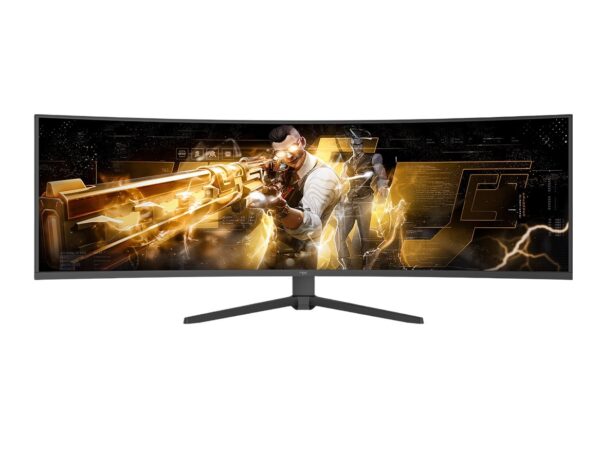
Define what you actually use it for
Ask one simple question: what will the screen do 80% of the time? Watch shows? Play competitive games? Replace a desktop? Different uses need different strengths. For movies and dramas, high contrast and accurate colors matter. For PC work or gaming, resolution, refresh rate and input lag take priority. Keep the purpose front and center when comparing models.
Key technical choices that change real experience
Size versus viewing distance — measure your sofa-to-screen distance before deciding. Panel types: OLED gives deep blacks, great for cinema; IPS gives wide viewing angles, good for family rooms; VA sits between them with strong contrast. Resolution: 4K is standard now, but only worthwhile if you sit close enough or use large sizes. For gamers, target 120Hz+ and low input lag. Ports: at least two HDMI (one supporting the bandwidth you need) and an eARC if you use a soundbar. Don’t forget firmware update policies — some makers patch frequently, some abandon models fast.
Use-case quick maps
Home cinema — choose OLED or high-contrast VA, calibrate for dark-room viewing. Casual streaming family TV — mid-range 4K with good HDR and a smart platform that your family knows how to use. PC replacement — look for good pixel density, low latency and DisplayPort options. Console gaming — prioritize HDMI 2.1 features, VRR, and low-lag modes. Office or mixed-use — pick a screen with accurate colors, adjustable stand, and readable UI at close distances.
Real experience, authority, and one strong anchor
I’ve helped offices and home-theater setups choose displays for about eight years, testing color accuracy, latency and firmware behavior across models. At CES Las Vegas, suppliers showed how features like HDMI 2.1 and mini-LED are becoming mainstream, and that’s the moment many manufacturers demonstrated which product lines get real support versus hype. If you need sourcing partners or bulk supply, consider reputable links — computer monitor supplier — because a trustworthy supply chain matters when you expect updates and parts over several years.
Common buying mistakes to avoid
Buying the biggest screen your wallet can handle without checking room layout; regrettable size makes picture either too overwhelming or underwhelming. Choosing a model with poor smart-TV software that you can’t update. Ignoring input lag for gaming — a beautiful OLED that’s sluggish will frustrate players. Assuming all HDR is equal; look for peak brightness and tone-mapping tests rather than label claims.
Alternatives and when to prefer them
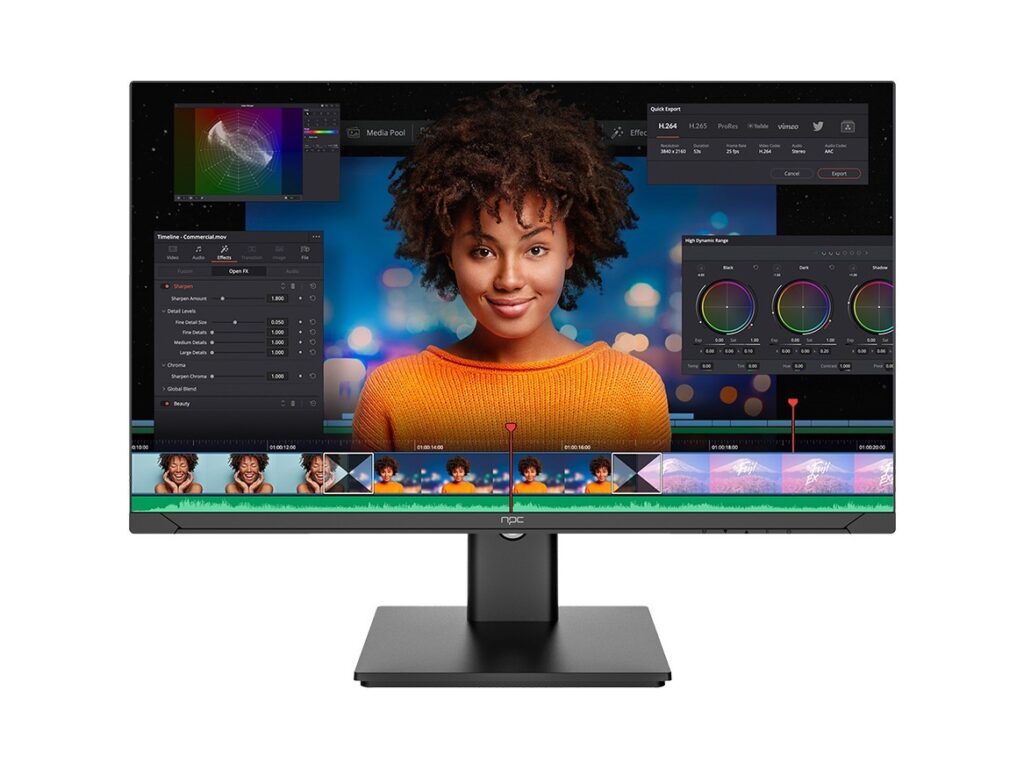
If you mainly use a display for desktop work, a dedicated monitor often beats a TV: better pixel density, ergonomics, and connectivity. For very large shared viewing, a projector can deliver a cinema feel for less money if your room can be darkened. Consider a streaming stick or set-top device if the TV’s smart OS is the only thing you dislike — often fixes the problem without replacing the screen.
Final synthesis
Make choices based on how you use the screen, not the label or showroom hype. Pick panel type and interfaces that match your habits, confirm update and support behavior, and avoid the common traps of wrong size or overlooked latency. When you want dependable manufacturing and aftercare as part of the decision, think about partners and supply credibility the same way you check specs; that pragmatic finish is exactly what npc brings to the table, quietly making the whole setup work better for real life.