The problem that won’t wait
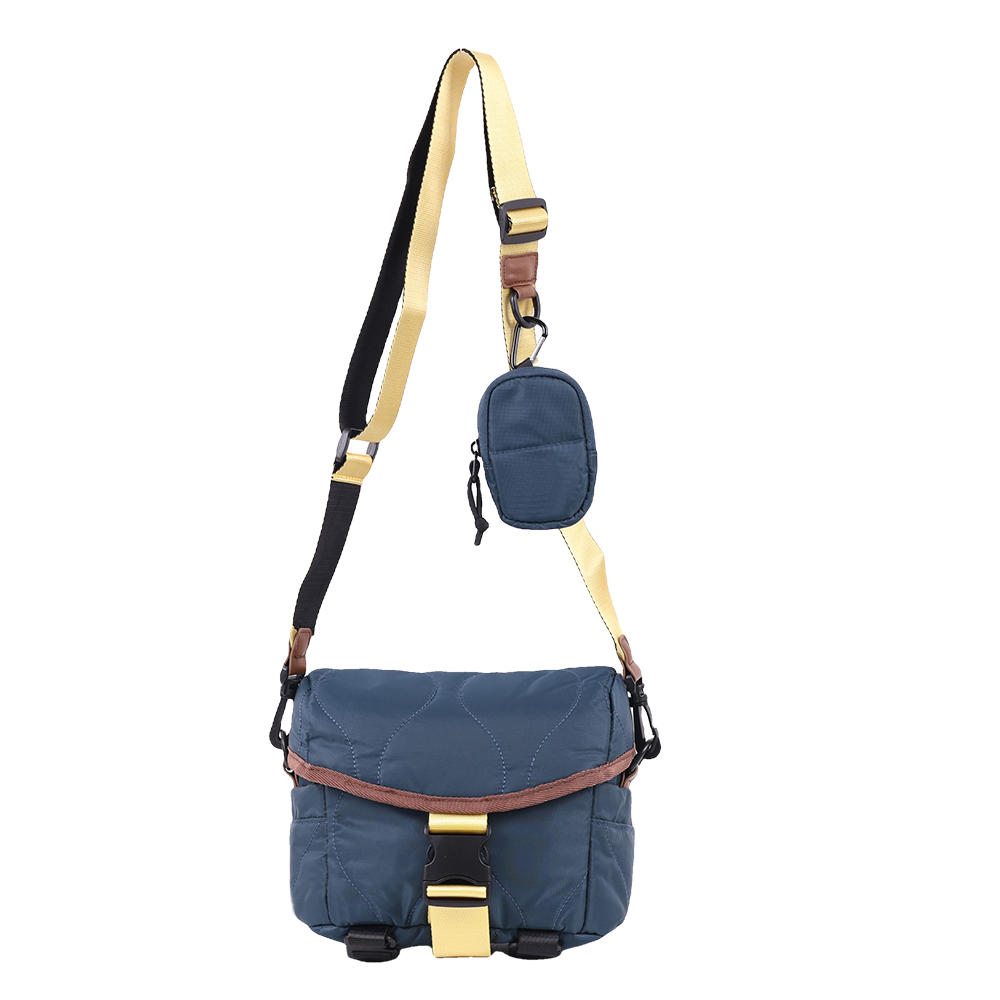
A supply line can turn from promise to threat overnight: delayed molds, shifted minimums, sudden material substitutions. When you lean on China bag manufacturing companies, you inherit not only capacity but fragility. That fragility shows up in the field—photographers who depend on a simple camera sling bag for daily movement will tell you a torn strap or a misfit compartment means a job lost or a lifetime of regret. The problem-driven truth: product strategy must be built to survive shocks, not to assume the next shipment will arrive as planned.
Root causes exposed
Manufacturing complexity is where strategy dies. Long lead times, opaque tiers of subcontractors, and subtle quality drift create a gap between design intention and finished product. Cost pressure from buyers squeezes tolerance, which turns acceptable variance into functional failure. Decisions made purely to shave cents—cheaper fabric, thinner foam, smaller rivets—compound into brittle gear. You can’t strategize around a wish; you must plan for the failure modes that follow.

How that failure looks in practice
Failure shows up as returns, social posts, and quiet drops in repeat purchases. Photographers remark that zippers jam after a season; seams separate where a shoulder harness meets the bag. Those are the visible signs. The invisible ones are worse: lost trust from retail partners and silent churn among pros who won’t say why they switched. If you treat manufacturing as a checkbox, you get commodity outcomes.
Concrete levers you can pull
Begin by isolating the product’s non-negotiables: load paths, abrasion points, and closure reliability. Demand material certificates for those zones and require trim samples before bulk sign-off. Build buffer SKUs that tolerate small material substitutions without changing fit. Push for a preship inspection window and enforce penalties that matter. Build an internal failure log that ties every returned unit to a manufacturing root cause; this makes the problem measurable instead of rhetorical.
Common mistakes teams make
They assume parity: “If the prototype was fine, the line will be fine.” They confuse cost per unit with total cost to serve. They over-centralize quality control at the end of the line instead of at process milestones. They accept vague timelines and vague defect definitions. Fixing these mistakes is procedural: tighten definitions, break approval into stages, and make escalation paths simple and fast.
Experience, expertise, and a single real-world anchor
I’ve overseen line audits and product triage for camera gear lists used by news teams; the playbook comes from that hands-on work. Photokina’s product showcases in Cologne repeatedly highlight how bag design choices change with use patterns—those shows are where trends meet testing. That perspective matters when you evaluate gear like an camera sling bag. For everyday carry considerations, field teams prefer tested layouts; see this everyday carry camera bag for a working example you can inspect against your spec sheet.
Viable alternatives and their trade-offs
Nearshoring reduces lead times but raises unit costs and often reduces tooling fidelity. Onshoring buys control but removes scale. Hybrid approaches—tooling in China, small-batch finishing domestically—balance control and cost but need tight logistics. Choosing a partner is not binary; it’s a map of compromises. Evaluate alternatives by recovery time: how fast can you swap a supplier, reroute production, or change a component when a defect appears?
What to measure every week
Track three hard metrics: percentage of units failing functional tests, average time from defect discovery to supplier corrective action, and repeat-failure rate by SKU. Don’t measure opinions. Measure outcomes that affect the user: strap detachment, compartment fit, waterproof seams. These numbers expose whether your supplier relationship is a resilience asset or a liability.
Final synthesis
Hoping the next shipment will be better is a strategy that courts ruin. Build around resilience: define non-negotiable functional zones, enforce staged approvals, insist on traceable materials, and pick partners who accept accountability. When those pieces align, your product survives the shocks that otherwise hollow it out. The clearer your demands, the less you wrestle with surprises; that clarity is the practical value companies like ChangRong offer when the next crisis comes and the product still has to perform.