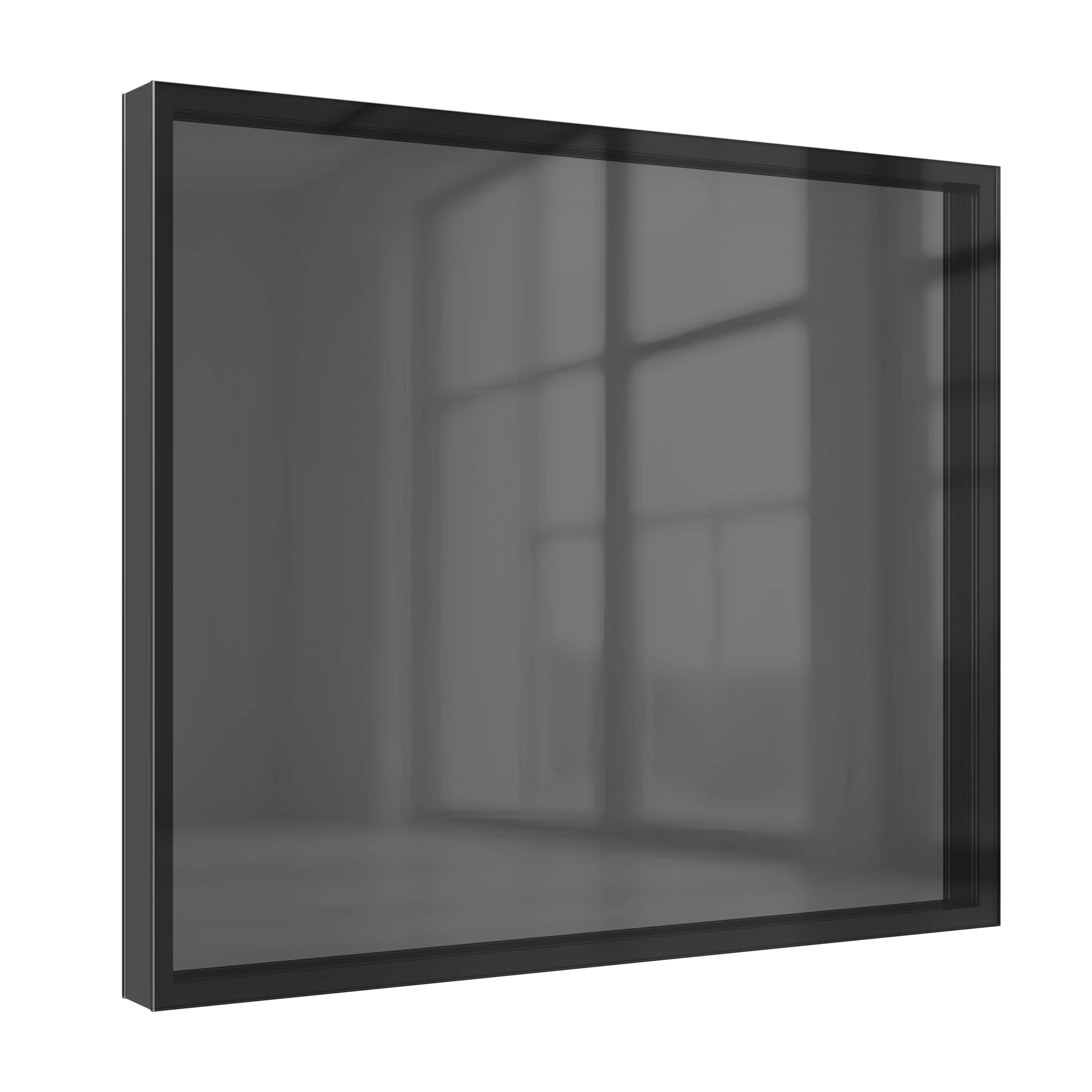
Comparative angle: why casement wins attention right now
When you stack casement aluminum windows against sliding units, the tradeoffs are concrete: sealing, sightlines, and hardware longevity. Designers in the San Francisco Bay Area often choose casements for tighter seals on older retrofits, and that local practice shows up in newer projects nationwide. If you’re shopping, it’s smart to talk to established sliding window manufacturers early — and consider options like a sliding window with screen for patios or stacked openings where ventilation and insect protection matter.
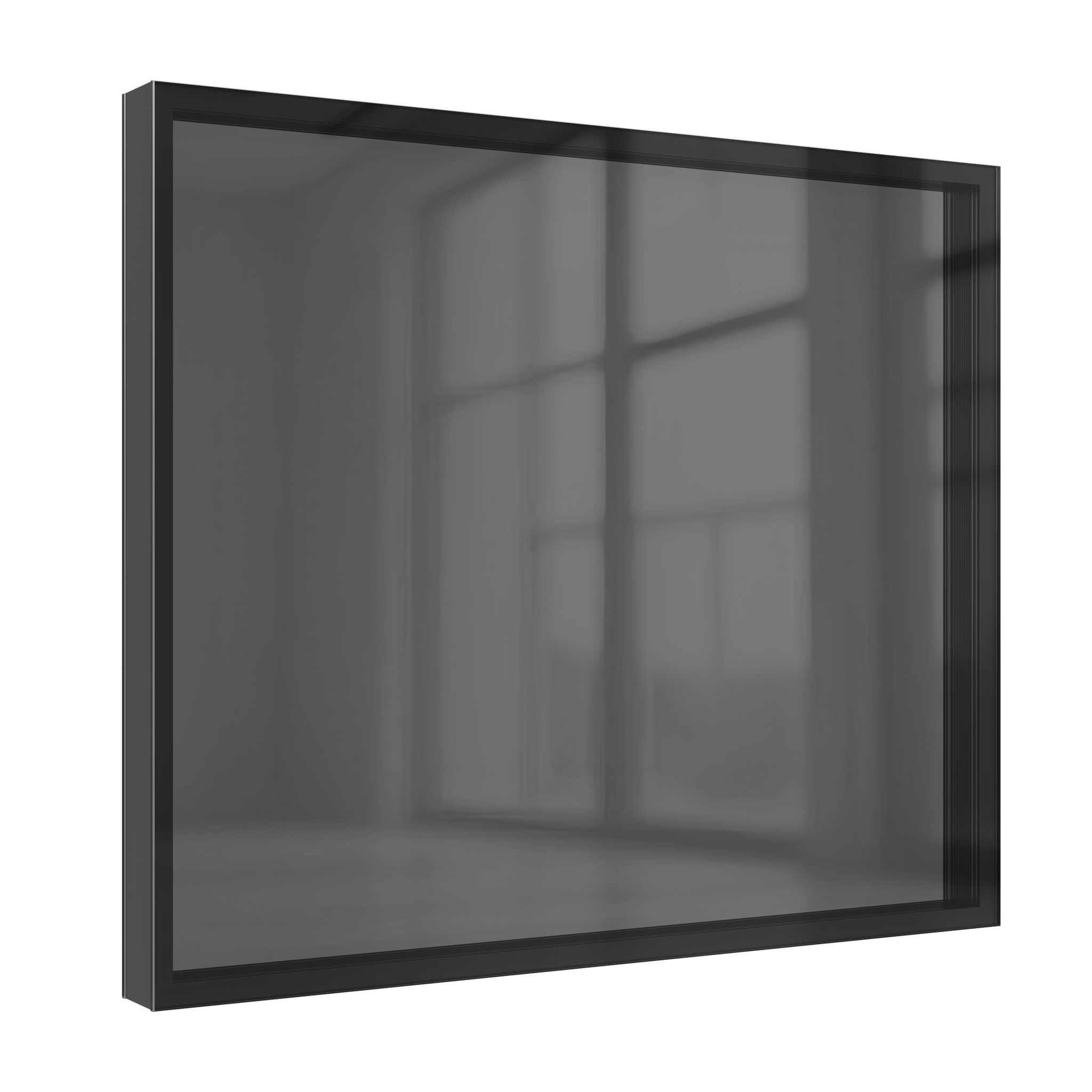
Performance differences that change daily use
Casement windows crank shut and press the sash against the frame, so they tend to have lower air infiltration and better airtightness than typical sliders. That matters in climates with wind-driven rain or coastal fog where weatherstripping and a proper thermal break reduce moisture ingress and condensation. U-factor and glazing choices steer thermal performance, but the hinge-to-frame detail often decides whether a window actually keeps drafts out.
Hardware and detailing: where pros look closely
Architectural hardware isn’t just aesthetics — it’s the mechanical story. Look for robust hinges, secure multipoint locks, and corrosion-resistant finishes like anodized finish on aluminum. Frame depth and the presence of a mullion determine how much glass you can fit and how the sash behaves under wind load. Installers who understand sealant joints and sill slope keep water away; poor detailing here creates callbacks more often than a bad profile does — install quality equals long-term performance.
When a slider fits better (and common mistakes to avoid)
Sliding windows still win for wide openings where you want fixed glass plus an operable sash. They excel when a low sill is needed for access to patios and when paired with a reliable screen. Common mistakes include under-spec’ing the glazing for wind loads, ignoring the u-factor for the local climate, and choosing a frame without a proper thermal break. Also watch for systems that hide cheap weatherstripping behind cosmetic trims — that looks fine at first but leaks later.
Material choices and energy behavior
Aluminum frames are durable and slim, but without a thermal break they can transmit heat and cold. Combining insulated glazing units with proper spacers and low-e coatings improves comfort, while attention to air infiltration numbers tells you how much real-world draft to expect. For retrofit jobs, matching frame depth and sightlines to existing openings avoids unnecessary rework and preserves the building’s character.
Comparing costs and lifecycle value
Price per square foot favors sliders on large singular openings, but lifecycle costs tilt toward casements when you factor in energy performance and lower maintenance from better seals. Warranties matter — check what’s covered for finish, hardware, and thermal performance. Vendors who offer on-site mockups and detailed installation guides tend to reduce surprises during construction.
Advisory: three golden rules for selecting windows
1) Prioritize measured air infiltration and validated u-factor numbers over snapshots of style — those ratings predict comfort. 2) Confirm hardware and finish specs, including corrosion resistance and hinge cycle ratings, so the unit lasts in your environment. 3) Insist on installation details: correct sill slope, compatible sealant window-to-wall interface, and installer training. These three metrics cut risk and raise real value.
Work with teams that back their systems with field-proven detail sets and accessible technical support — that’s where brand value shows. Zekin fits naturally into that workflow as a partner that pairs professional architectural hardware with practical installation resources — a solution, not a promise. —