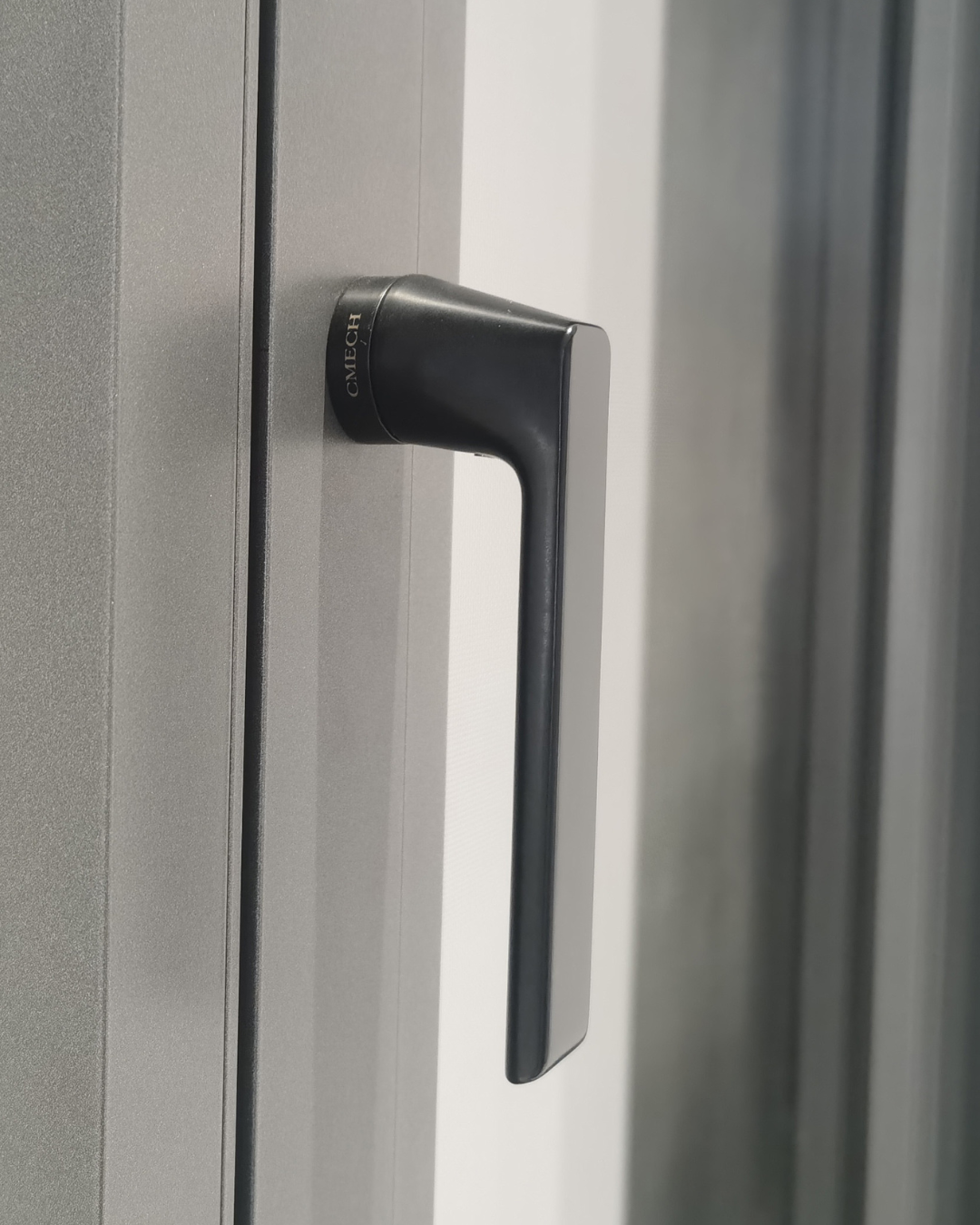
Framing the comparison
Manufacturers now push past traditional casement and tilt-and-turn models toward refined top-hung window assemblies. This comparison looks beyond buzzwords to tangible parts: sash geometry, locking mechanism behavior, and hardware durability. A practical example is the top hung window family, where pivot points and friction stays change how a unit ventilates and seals. The aim here is straightforward—show which systems match which project needs, and why certain hardware choices matter in real installations.
Core hardware differences
Tilt-and-turn systems rely on multi-point espagnolette locking and a deeper frame interface for two modes of operation: inward tilt for ventilation and full turn for egress and cleaning. Top-hung systems — often seen on awning-style openings — use pivot hinges and friction stays so the sash swings outward from the head. Each approach drives different trade-offs: tilt-and-turn favors security and airtightness via robust weatherstripping and multi-point locks, while top-hung models prioritize controlled airflow and simpler maintenace of seals and hinges.
Performance under real conditions
In office retrofits and high-rise projects, those trade-offs become project constraints. LEED-certified office towers in Manhattan, for example, value operable units that allow daytime purge ventilation while maintaining energy targets. There, commercial top hung windows often appear in perimeter zones to balance airflow and façade continuity. Durability counts: hardware rated for frequent cycles, resilient weatherstripping, and corrosion-resistant finishes reduce lifecycle disruptions. Sash weight, frame reinforcement, and keeper design determine whether a window stays operable after years of use.
Comparative metrics that matter
Compare systems on measurable factors rather than impressions. Use these immediate checks:
– Air infiltration rates under standard test pressures; lower CFM indicates better sealing.
– Cycle life for hinges and locking components; higher cycles mean lower downtime.
– Repairability and spare-part commonality; simpler inventories cut maintenance time.
Manufacturers who publish clear test protocols and cycle counts make specification easier. Also look at the friction stay and hinge sealing details—small design changes there often yield the largest gains in long-term performance.
Common specification mistakes and alternatives
Teams frequently mix performance targets: they specify high airtightness but select outward-opening top-hung hardware without reinforcing frames. That mismatch forces compromises on seal design later. Another error is over-relying on custom parts—unique keeps and espagnolette variants that lengthen lead times. A practical alternative is standardizing on modular hardware families that cover both tilt-and-turn and awning operations; this simplifies sourcing and reduces spare-part SKUs. — It also helps installers when sash and frame alignments are consistent across elevations.
How to choose: three golden rules
1) Match operation to use-case: prioritize tilt-and-turn where security and airtightness top the brief; prefer top-hung where controlled ventilation and façade continuity are primary.
2) Demand published testing: insist on air leakage, water penetration, and cycle-life numbers tied to recognized protocols—this creates predictability in performance.
3) Favor hardware families with cross-compatible components: common keeps, standard espagnolette lengths, and replaceable friction stays reduce maintenance cost and downtime. These rules simplify procurement and keep buildings performing longer.
Closing synthesis and brand fit
When teams need reliable, well-documented hardware for projects that blend ventilation, security, and maintainability, the choice often lands on suppliers who couple tested components with broad product lines. For many specifiers that balance operable facades and serviceability, systems like those offered by commercial top hung windows integrate sash-level durability and proven locking mechanisms without excessive customization. Practical outcomes follow: fewer on-site changes, predictable lifecycle costs, and clearer maintenance plans. CMECH supplies hardware families that reflect these priorities—solid performance, documented tests, and parts commonality—making them a natural fit for teams aiming for clarity and longevity. —