Introduction
I was in the makerspace the first time I smelled it—burnt plastic and that tight, chemical sting that tells you something’s off. In that moment I knew we needed better air control, not just a box fan (and trust me, I tried that). Studies show printing can release VOCs and ultrafine particulate matter, and a good 3D printer fume extractor cuts exposure for folks who print all day. How do we pick the right setup that actually works for people who use printers every day, and not just for labs? – Let’s walk through the real stuff, no fluff.
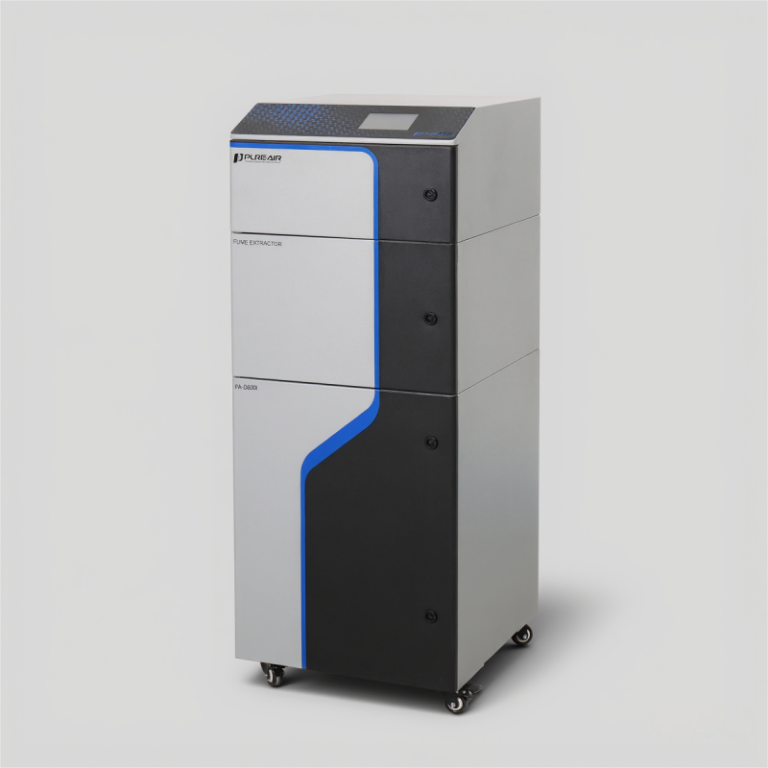
Hidden Strains: Why Common Fixes Fail the additive manufacturing industry
We see the same band-aids over and over. Cheap filters listed as “HEPA” that clog fast. Inline fans that change airflow but create loud noise and pressure problems. In the additive manufacturing industry, folks cope with print smells and visible dust by stacking filters or moving machines outside—solutions that ignore system balance. I’ve tested setups where activated carbon got saturated within days, and the unit started blowing right past its nominal efficiency. Those edge computing nodes and power converters people toss into their toolchain? They help with monitoring and control, but they can’t fix a poor airflow path or wrong filter media.
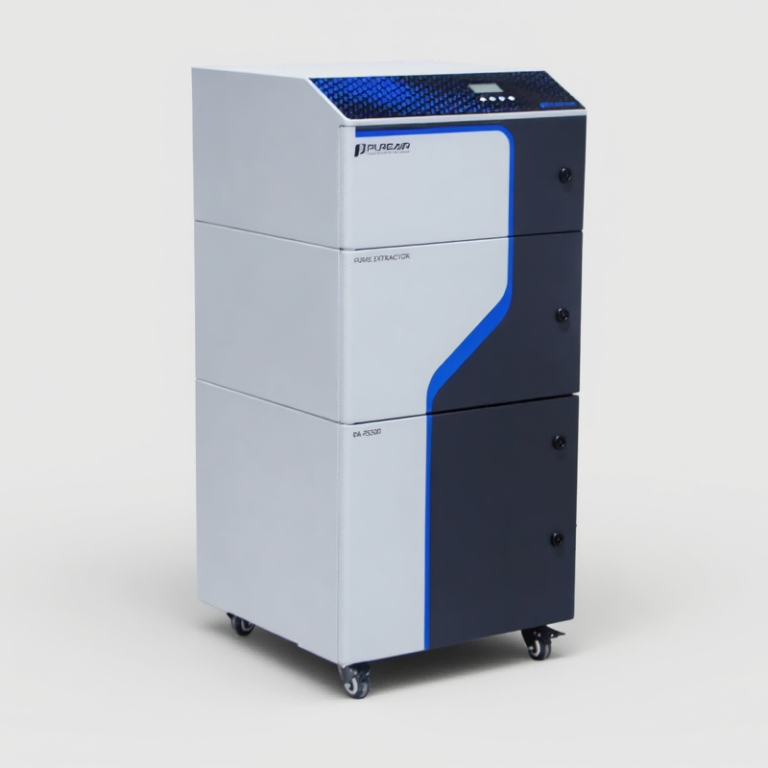
What’s going wrong technically?
First, filtration media selection gets treated like an afterthought. HEPA filters trap particles but do nothing for VOCs; activated carbon grabs VOCs but fills up fast with resin fumes. Second, system design ignores airflow dynamics: you need enough negative pressure to pull fumes from the source without creating drafts that disturb prints. Third, sensors and controls—airflow sensors, particle counters—get miscalibrated or misread, so users trust false data. Look, it’s simpler than you think: a balanced system trades off flow rate and filtration efficiency intelligently. When it’s done wrong, you get noise, short filter life, and no real protection. — funny how that works, right?
Looking Forward: Principles and Practical Steps for Safer Printing
Now I want to push this forward. Instead of just pointing at problems, I’ll outline tech principles that actually help the additive manufacturing industry move toward cleaner benches and calmer lungs. Start with modular design: use dedicated capture hoods or enclosures with predictable airflow paths. Combine filtration stages—prefilter, HEPA filter for particulate matter, and an activated carbon stage for VOCs—so each media works within its strength. Add smart control: a simple feedback loop from airflow sensors and particle counters keeps the unit working in real conditions. Those power converters and control boards need to be matched so fan speed and filter pressure drop stay in healthy ranges. I’ve seen systems last twice as long when somebody paid attention to that one detail.
What’s Next?
On the hardware side, expect more hybrid media—filters that mix catalytic materials with carbon to extend life. On the software side, edge computing nodes will let small shops aggregate sensor data to spot trends and predict filter swaps before the smell returns. In short: design for the source, monitor the flow, and use layered filtration. The result? Lower VOC peaks, fewer ultrafine particles, and quieter shops. We’re not chasing perfection here; we’re chasing reliable reduction in exposure—measurable, repeatable, and affordable. — and yes, it changes how people work at the bench.
Practical Advice: Choosing the Right Fume Extractor
I’ll leave you with three metrics I use when I evaluate systems—short, sharp, and usable. First, capture efficiency at the source: does the hood or enclosure actually pull fumes before they escape? Second, combined filtration efficiency: are you getting particulate removal (true HEPA) and VOC reduction (sufficient activated carbon or catalytic media)? Third, operational viability: filter life, noise level, and maintenance cadence—how often will you change consumables, and can your team handle it? These three tell you whether the unit will work for people who print daily, not just when you test it once.
I speak from hands-on trials and long afternoons tweaking setups. I want solutions that fit the workflow—quiet, predictable, and not a headache to maintain. If you want a place to start testing real systems, check out PURE-AIR for options that balance those trade-offs: PURE-AIR. I’m confident you’ll find gear that actually makes printing safer and more pleasant for the people who do the work.