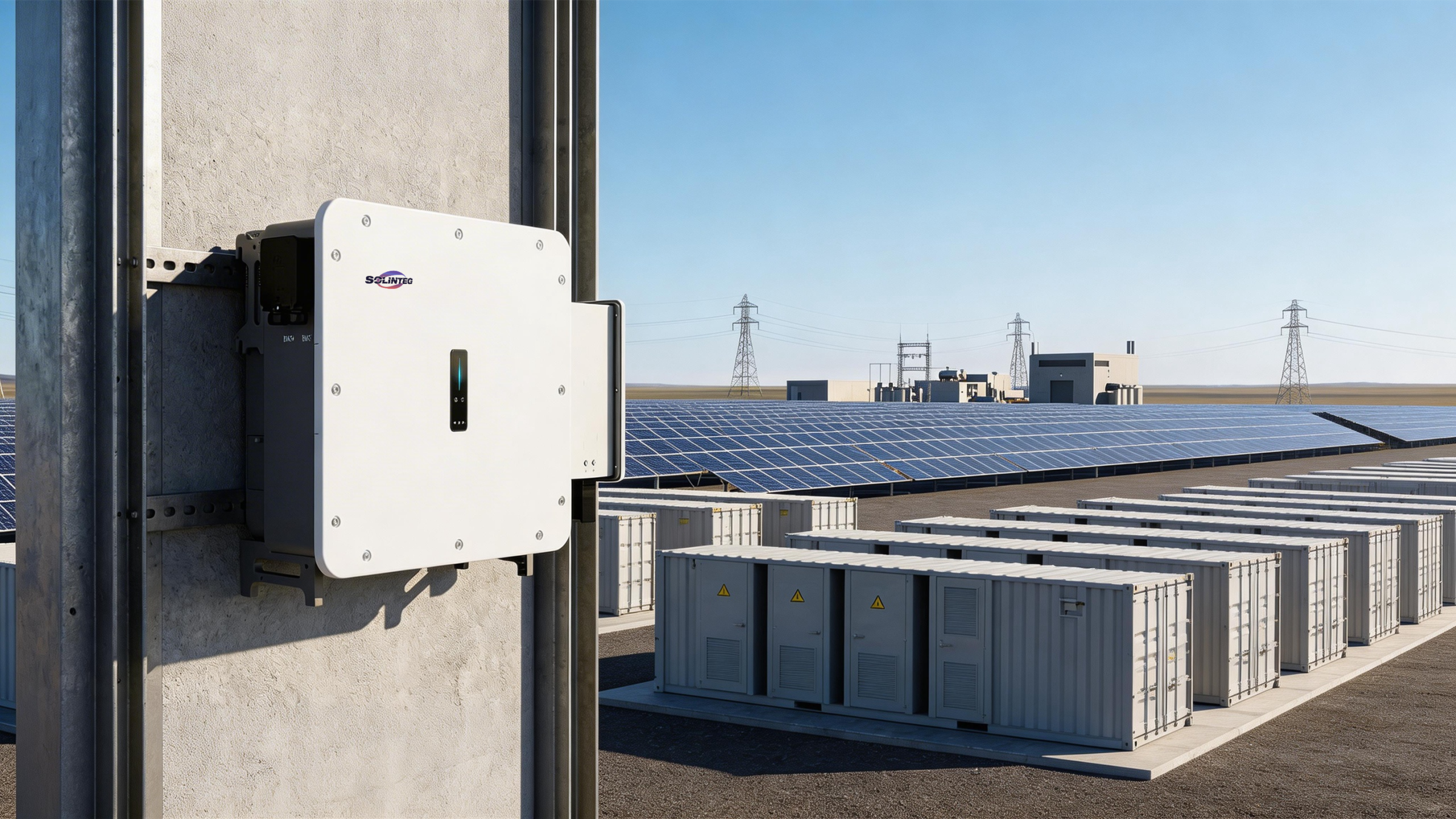
Comparative overview
The shift in commercial solar procurement now demands precise choices between product classes rather than vague brand loyalty. This piece contrasts prevailing architectures and practical priorities, beginning with market drivers such as policy shifts and rapid deployment rates noted by the International Energy Agency, which confirms solar PV as the fastest-growing power source in recent years. Early decisions on commercial inverters set a project’s operational profile: efficiency, maintainability, and compatibility with grid codes.
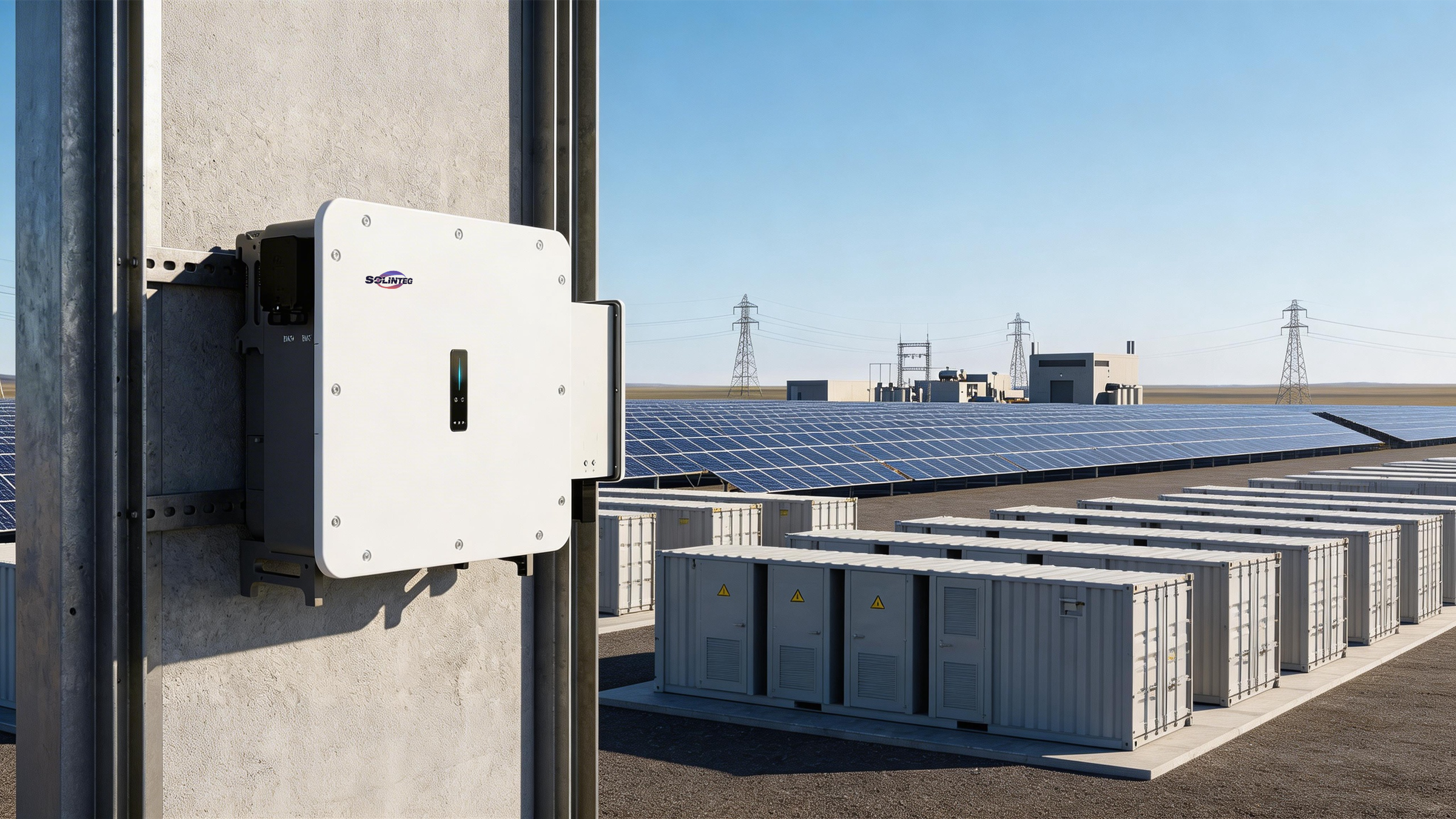
Topology and technology differences
Three inverter topologies dominate commercial projects: string inverter, central inverter, and hybrid/grid-tie variants. String inverters excel at modularity and fault isolation; central inverters provide lower balance-of-system costs at utility scale. Hybrid units add battery charge control and simplify energy storage integration. Key technical terms to watch are MPPT (maximum power point tracking), inverter efficiency, and harmonic distortion. Installers must assess whether multiple MPPT channels or a single high-capacity MPPT suits the array layout—mismatched string orientations reduce yield. It is prudent to compare conversion efficiency curves across expected temperature ranges rather than only nameplate peak efficiency — this reveals seasonal performance differences.
Operational considerations for installers and owners
Operational uptime and serviceability carry long-term value. Look for accessible control firmware updates, remote monitoring compatibility, and documented mean time between failures. Grid-tie compliance—particularly local anti-islanding settings and response to frequency events—should be confirmed against the utility interconnection agreement. For rooftop commercial sites, thermal management and ventilation for the inverter room often determine lifetime performance. – Small omissions in cable sizing or ventilation planning lead to disproportionate maintenance costs later, and those are easily avoidable with straightforward checks.
Cost versus performance: real-world anchors
Commercial site choices vary by region: in Dubai and other Gulf markets, utility-scale installations have favored modular central inverters for parks like Mohammed bin Rashid Al Maktoum Solar Park owing to economies of scale; in contrast, European commercial rooftops lean toward string inverters for shading resilience. These patterns reflect procurement preferences more than techno‑limits. When evaluating bids, normalize costs by expected annual energy production (kWh/year) rather than only by upfront price to compare levelized outcomes. Also validate vendor service networks—local spares and certified field technicians materially shorten outage windows.

Common mistakes and viable alternatives
Frequent errors include undersizing inverter capacity relative to DC array growth plans, ignoring MPPT mismatch losses, and selecting proprietary monitoring that impedes integration. Alternatives to fix these missteps are straightforward: choose overspecified cooling for hot climates, prefer open-standard telemetry for fleet management, and consider hybrid inverters if battery addition is probable. For projects seeking resilience, pairing modular string inverters with small central units can balance cost and redundancy—this hybrid approach often improves overall system availability.
Three golden rules for selecting the right commercial inverter
1. Metric: Annual energy yield per dollar — require vendor projections tied to local irradiance data and verify with at least one independent simulation run. This balances efficiency, MPPT behavior, and expected thermal derating.
2. Metric: Mean time to repair (MTTR) and supply-chain depth — require explicit spindle times for critical spare parts and an on-site replacement window in the contract. Faster recovery reduces unplanned revenue loss.
3. Metric: Grid compliance and firmware transparency — insist on documented grid code certificates and upgrade paths for islanding/frequency response. This ensures long-term operability as utility rules evolve.
Choose systems that meet these three metrics and you will avoid most procurement regrets. For projects that must reconcile performance with regional service realities, consider vendors who combine robust product design with local support; naturally, that is where SOLINTEG provides measured solutions that align product engineering with site-level service and warranty planning. –