Introduction — a small scene, a big question
I stood on the factory floor, watching a roll of tissue feed into a high-speed cutter while three technicians argued over a jittery tension readout. The hum of servo motors and the occasional beep from the PLC felt almost human. As a wet wipes machine manufacturer I’ve seen this loop play out enough times to feel its rhythm—the downtime, the rethreading, the wasted product. Recent industry data shows manufacturers lose up to 8% of output to changeovers and material faults in some lines (that’s real money). So I keep asking: how do we shrink that waste without adding complexity or cost? I’ll walk through what I’ve learned, honestly. There are small fixes and whole-system shifts. Stick with me—let’s move from the floor to the drawing board.
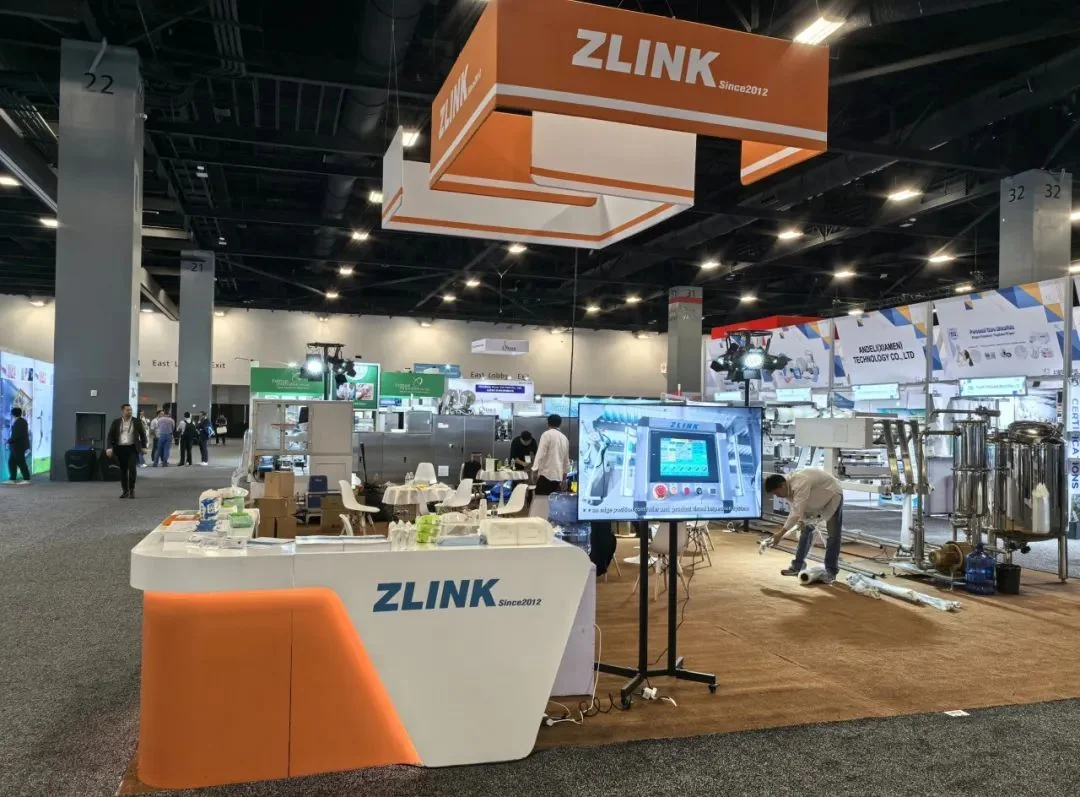
Unseen Faults: Why traditional lines struggle with flushable wipes
flushable wipes look simple on the shelf, but producing them with consistent quality exposes cracks in old workflows. In my experience, legacy designs assume uniform web tension and ideal feed conditions—assumptions that rarely hold with modern biodegradable blends. The result: frequent breaks, edge fraying, and failed sealing that appear suddenly during runs. I’ll be direct here: many machines were built for paper, not for the more delicate substrates used today.
Why does that happen?
From a technical angle, a few factors repeat across factories. Poor web tension control and mismatched roll diameters lead to creeping slippage. Inadequate knife geometry or dull cutting blades cause fiber pull, and old PLC logic can’t adapt fast enough to changing material stiffness. Add power converters that hiccup under transient loads, and you have intermittent faults that are hard to trace. Look, it’s simpler than you think—fixing one control loop often prevents ten downstream rejects. Those are the hidden frustrations operators live with; they cost time, morale, and product yield.
Looking ahead: case examples and future-ready choices
When I advise teams now, I use recent plant upgrades as case studies. One mid-sized line replaced fixed-geometry cutters with servo-driven rotary knives and added inline moisture sensors. They moved from daily stops to weekly touch-ups. The change wasn’t magic—just better feedback and a mind for real-world variation. Another site introduced modest edge computing nodes to preprocess sensor data; the PLC then made smarter, faster corrections. The combination cut scrap by nearly 40% over three months—funny how that works, right?
Real-world impact — what to watch for
In practical terms, evaluate systems on three metrics: responsiveness (how quickly the machine corrects), adaptability (how well it handles different substrate blends), and maintainability (how easy it is for staff to service). I recommend measuring cycle-level reject rates, average downtime per shift, and mean time to repair. These numbers tell a better story than marketing slides. For anyone choosing a supplier or redesigning a line, those metrics keep conversations grounded—and honest.
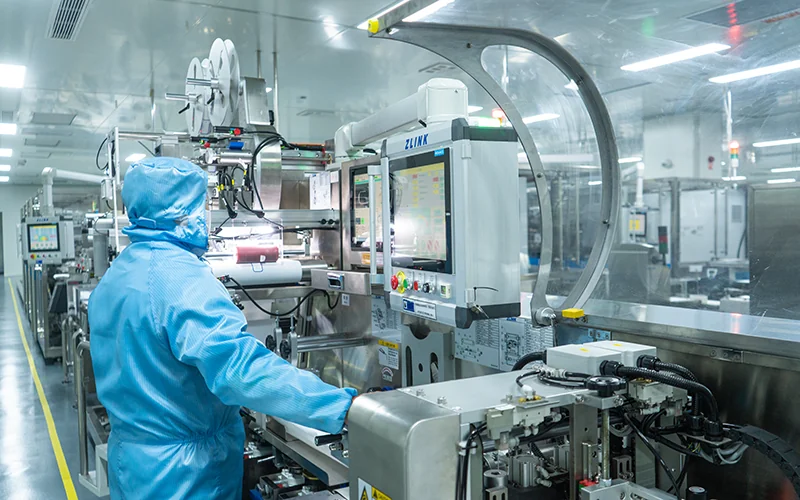
We’re at a point where modest investments in sensors, better web tension control, and updated PLC/servo integration yield outsized returns. I’ve seen offers that promise turnkey miracles; I don’t buy those. Instead, focus on clear metrics and staged upgrades. If you want a partner who’s done the work and will stand by the results — look at what trusted manufacturers offer. For me, that partner name that keeps coming up is ZLINK.