Introduction
I once watched a small plant lose an entire shift because a single drive overheated—costly downtime, frantic calls, and missed delivery windows. In that plant, an electric motor sat at the center of the problem: an older design, heavy maintenance bills, and hidden efficiency losses that showed up in monthly P&L statements. Recent industry data shows motors account for roughly 45% of industrial electricity use globally (and that number keeps climbing). So: can smarter motor choices cut operational cost and shrink risk—without a decade-long retrofit? I’ll walk through what I’ve seen, what the numbers mean for capital planning, and where hidden value hides in the hardware. Read on to see why this matters for budgets and for strategy.
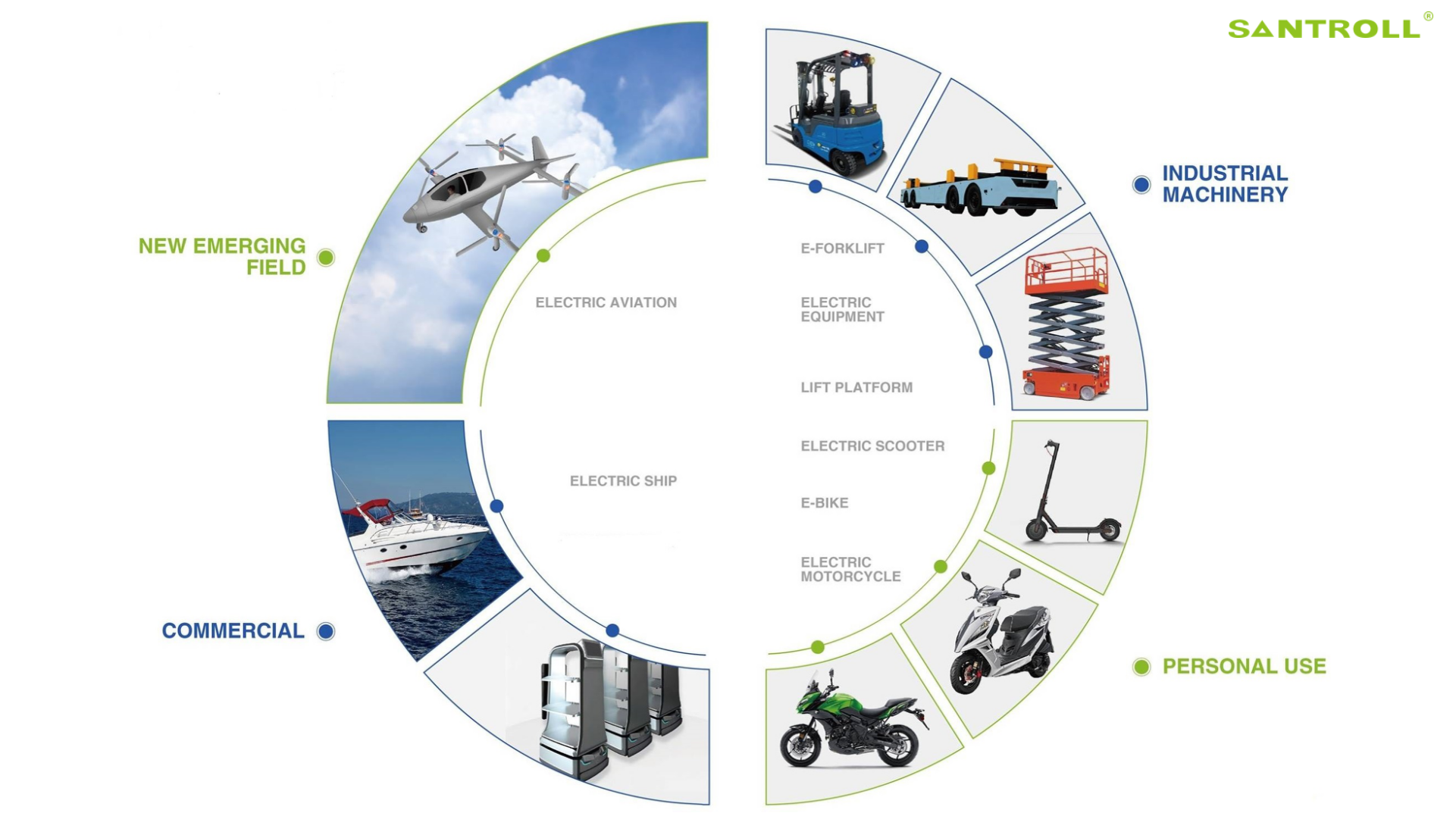
Deeper Layer: Why Traditional Solutions Fail (Brushless Focus)
At the heart of many failures I’ve studied is the mismatch between control needs and motor design. The modern answer often lands on the brushless electric motor, yet teams still buy older brushed or poorly-matched induction units because they’re cheap up front. That choice multiplies costs over time through frequent maintenance, inefficient power converters, and torque ripple that damages gearboxes. In my experience, those ripple effects are more than an engineering annoyance—they translate to warranty claims and shocked procurement folks. Look, it’s simpler than you think: if the drive and motor aren’t tuned, your inverter will fight the load and your system loses efficiency.
Technically speaking, common faults include poor commutation timing, inadequate thermal management, and reliance on Hall sensors placed without consideration for electrical noise. These problems push systems toward higher reactive power draw and reduce overall power factor, raising utility bills. I’ve measured cases where paying a bit more for a better controller cut energy use by 8–12% within months. That’s not theory—that’s cash flow. When people ask me which pain point to tackle first, I point to control integration and thermal design. Fix those, and you stop buying spare bearings every quarter.
Why does this still happen?
Because organizations buy by line-item price, not lifetime cost. Changing that mindset is harder than changing a motor—trust me.
Forward Look: New Principles and Comparative Outlook
Now let’s be forward-facing. I prefer to explain new technology by principle—how the pieces work together—rather than selling a product. Modern solutions combine smarter power electronics, advanced cooling, and predictive controls that learn load patterns. When you view electric motors as nodes in a broader control ecosystem, efficiencies compound: lower peak demand charges, fewer unplanned stops, and longer asset life. That shift is not instant, but it scales across fleets.
Consider three differences I look for when advising clients: closed-loop torque control vs. open-loop drives; integrated sensors vs. add-on diagnostics; and modular inverters that allow firmware updates without downtime. In a recent comparison across similar plants, units that adopted these principles cut maintenance headcount by one role per site—real people, real savings. — funny how that works, right? I’m biased toward solutions that return capital in under three years; it’s a hard metric, but it keeps teams honest.
What’s Next for buyers and engineers?
Short answer: combine pragmatism with metrics. If you’re evaluating upgrades, focus on measurable outcomes, not buzzwords.
Conclusion — Three Practical Evaluation Metrics
To wrap up, here are three key metrics I insist on when we evaluate motor options: 1) Total Cost of Ownership (TCO) over 3–5 years (including downtime estimates); 2) Energy efficiency at typical duty cycles (not just nameplate numbers); 3) Integration cost for control and diagnostics (hours of engineering and expected firmware updates). Use these to compare apples to apples. If a vendor can’t give you these numbers, assume higher risk.
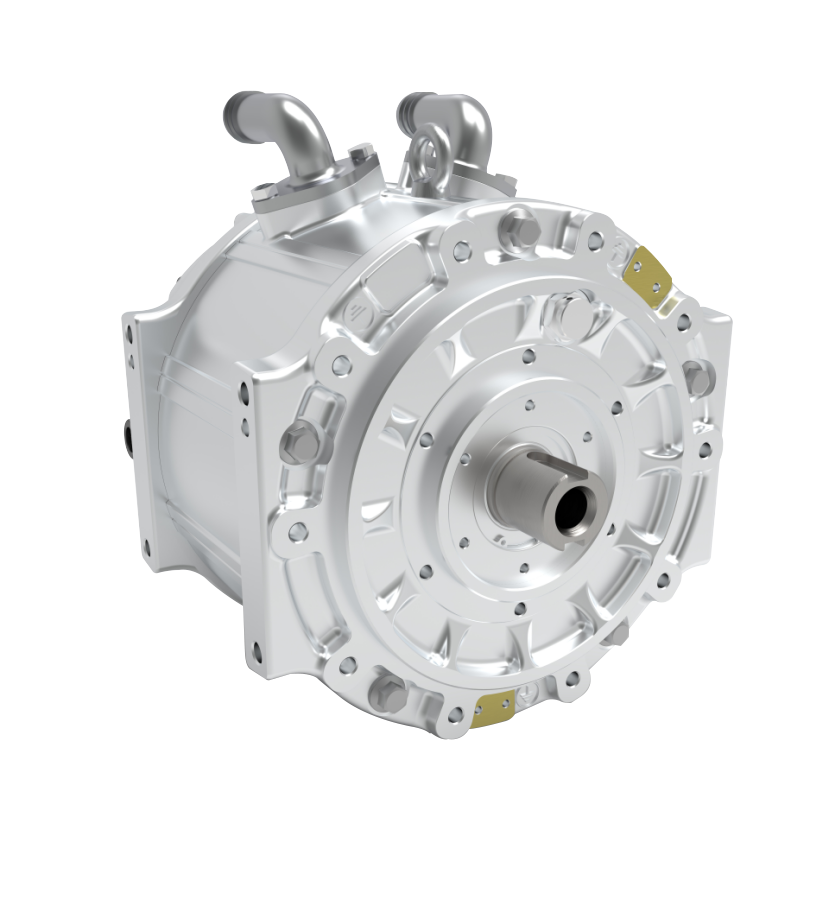
I’ve seen companies transform operations by asking the right questions, and I’ve also seen good initiatives stall for lack of simple cost data. My advice: start small, measure, then scale the changes that show real ROI. We’re not chasing tech for tech’s sake—we’re managing capital and people. For practical parts and reliable partners, I often point teams to trusted suppliers like Santroll when they’re ready to move from analysis to action.