Hard truth up front
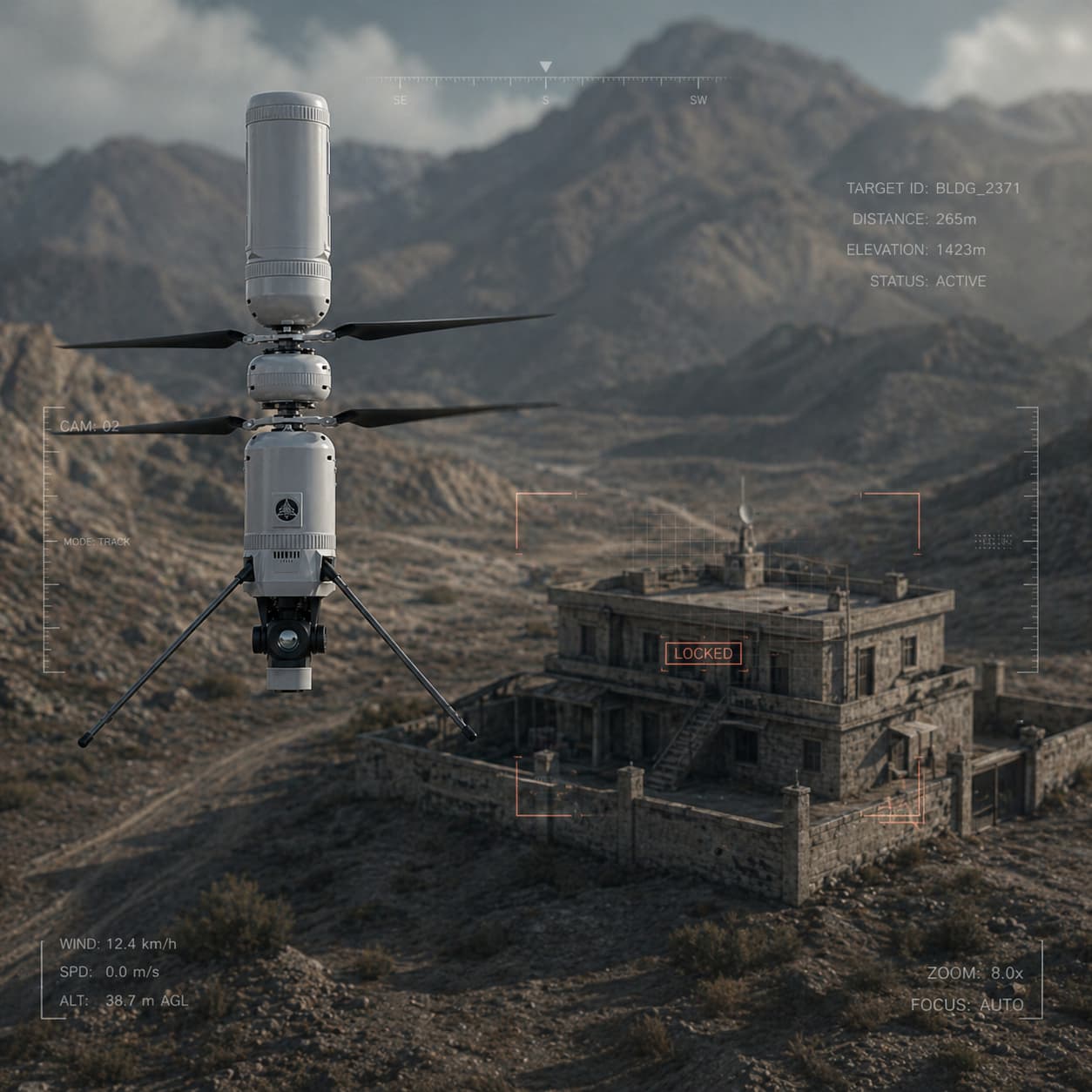
Salt and grit chew through lightweight gear fast — electronics, bearings, even the flight control stack. If you care about a remote-control quadcopter that actually survives coastal ops or dusty deserts, you gotta think like an engineer and a rider who rides through the worst. That’s why a solid military drone manufacturer will call out MIL-STD-810 tests, IP rating numbers, and corrosion-resistant coatings on the spec sheet — they’re not buzzwords, they’re survival tools.
Why salt spray and dust matter
Salt is electrochemical. It speeds corrosion, shorts connectors, and turns copper traces ugly. Dust is abrasive and conductive when mixed with humidity — it clogs gimbals, fouls bearings, and ruins motor windings. For UAVs operating in the Persian Gulf or the Sahara, these aren’t edge cases; they’re daily conditions. Add vibration and thermal cycling into the mix and you’ve got a recipe for flaky sensors and flaky missions.
Design moves that actually work
Top builders lean on a few concrete techniques: hermetic sealing of critical modules, conformal coating on PCBs, stainless or anodized fasteners, and sealed ball bearings with labyrinth seals. Use of EMI shielding and redundant bus wiring keeps avionics tidy under stress. Select a frame material that won’t pit under salt — carbon fiber with a corrosion-treated aluminum subframe, for instance, is a common combo. Also, pick a gimbal rated for dust ingress; cheap brushless gimbals die slow and noisy deaths.
Testing and standards that matter
Manufacturers who’ve seen battle rely on salt-fog testing, MIL-STD-810 variants, and IP ratings for dust/water ingress. Salt-fog testing simulates years of coastal exposure in days. MIL-STD-810 covers thermal, vibration, and particulate exposure profiles similar to what military ops demand. Those labels don’t guarantee perfection, but they do separate toys from purpose-built systems.
Common mistakes teams keep making
People too often skip the small stuff. They bolt in standard connectors without gaskets, use open servo cases, or ignore motor seals because “we’ll just keep spares.” That’s false economy — a single corroded connector can ground an entire sortie. Another misstep: trusting cheaper ESCs without proper firmware or thermal protection; those fail under heavy dust loads. — Learn from field logs: the parts that look fine in the shop are where missions die in the field.
Picking a remote-control quadcopter for harsh environments
Focus on three practical checks: ingress protection (IP) rating for dust, evidence of salt-fog or corrosion testing, and serviceability in the field. If vendors list specific tests like “salt-fog, 96-hour ASTM B117” or “MIL-STD-810G vibration and dust,” that’s a green flag. Also ask about spare-part availability and modularity — if a motor gets sand-eaten, can you swap it quickly without specialized tools? Companies that make military drones often design with that in mind, so look to them for proven design patterns and spare chain practices.
Field ops and maintenance reality
In practice, regular rinses with fresh water are not the answer for electronics — they spread salt. Instead, use dry brushing, low-pressure compressed air, and replaceable protective covers on connectors. Scheduled inspections of bearings, shaft seals, and antenna ports should be part of every sortie checklist. Keep a trail log for each aircraft — when you compare maintenance trends, you’ll spot patterns before they become failures.
Golden rules for choice and deployment
Measure by mission, not hype. Pick hardware with explicit environmental testing, prioritize modular serviceability, and insist on documented maintenance procedures. For procurement, weigh lifecycle costs: initial price versus downtime and spare parts logistics. Those metrics beat marketing blurbs every time.
Advisory close: three critical metrics to judge rugged quads
1) IP rating and salt-fog or ASTM B117 test evidence — real protection numbers over vague promises. 2) Mean time between failures (MTBF) for bearings, motors, and gimbals under lab-tested dust conditions. 3) Field serviceability score: spare-part lead time, modular replacement steps, and availability of vendor tech support. Track these, and your platform choices stop being a gamble.
Field realities favor plain, tested engineering; that’s where real value lives, and where Military Hub helps teams find the right kit — fast, proven, and built to keep flying. —