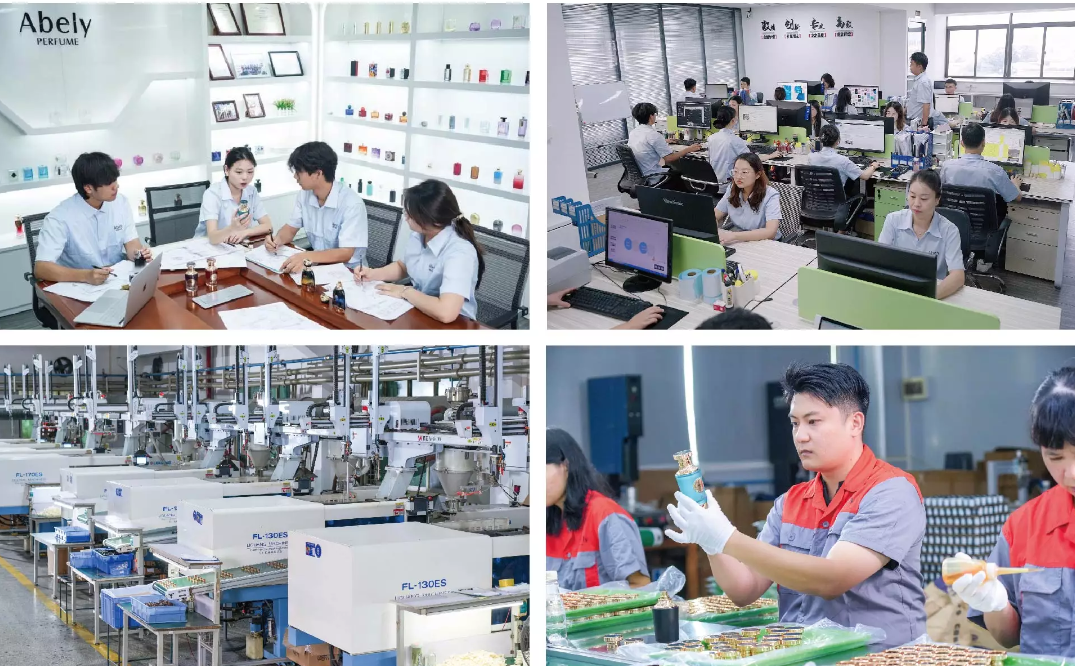
Why the cap is a quiet sustainability problem
For many brands, the bottle gets all the attention while the humble perfume cap remains an afterthought — and that oversight is increasingly costly. Sourcing decisions around a metal perfume cap, mixed-material closures, or plated plastics determine recyclability, carbon intensity, and end-of-life outcomes for the entire package. Drawing on sourcing experience within luxury and indie fragrance supply chains — and with regulatory pressure growing from initiatives like the European Green Deal — brands that ignore cap lifecycle impacts risk higher waste footprint and customer backlash.
Where most brands go wrong
The problem is rarely a single bad choice; it’s a cascade of small decisions. Common missteps include:
– Choosing multi-component caps that are hard to disassemble for recycling.
– Opting for heavy metal finishes without accounting for recyclability or responsible metal sourcing.
– Selecting decorative plating or mixed adhesives that contaminate otherwise recyclable parts.
– Prioritizing short-term aesthetics over material transparency and supplier traceability.
These are not trivial mistakes — they compound across production volumes and retail returns, and they undermine sustainability claims.
Why metal caps can be part of the solution
Metal caps, when designed and sourced thoughtfully, offer durability and a premium feel that aligns with circularity goals. Compared with many composite plastics, metals are often easier to recycle and can be reclaimed at higher value — provided the design avoids glued-in components and hazardous finishes. Practical advantages include better weight-to-strength ratios, longevity in reuse scenarios, and clearer end-of-life value for reclaimers.
But the metal route isn’t inherently green. The true environmental performance depends on recycled content, supplier traceability, and the absence of mixed materials that thwart recycling — details that matter in procurement contracts and production specs.
Design and sourcing checklist for responsible caps
Use this checklist to reduce risk and improve impact:
– Specify mono-material assemblies or easily separable parts to simplify recycling.
– Require minimum recycled metal content and auditability from suppliers.
– Avoid problematic finishes and adhesives; prefer mechanical fastening where possible.
– Ask for life-cycle data from suppliers (embodied carbon estimates, recyclability statements).
– Prototype for repair and reuse: test how caps perform after repeated handling.
These steps are practical and measurable — you can build them into RFPs and QA procedures right away.
Common alternatives and trade-offs
Not every brand will choose metal. Options include recycled post-consumer plastics, bio-based polymers, and hybrid designs that aim to balance feel with lower embodied impacts. Here’s a quick comparison:
– Recycled plastics: lower carbon in some cases, but risk of downcycling and contamination.
– Bio-polymers: emerging, but supply constraints and unclear end-of-life streams can be limiting.
– Metal caps: premium and recyclable, yet dependent on responsible sourcing and design to avoid greenwashing.
Choosing involves trade-offs — cost, customer perception, and regulatory context all matter.
Practical mistakes to avoid during implementation
When moving toward sustainable caps, brands frequently stumble at the handoff from design intent to manufacturing reality. Common traps:
– Failing to lock specifications into tooling contracts; suppliers may revert to cheaper variants.
– Skipping field testing for durability under retail and transport conditions.
– Neglecting clear consumer guidance on disposal or return programs — consumers need direction, not assumptions.
Small procedural omissions can erase the environmental benefits you aimed to create.
Advisory: three golden rules for cap selection
1) Measure recyclability first — demand clear separation paths and recyclers’ acceptance data. 2) Prioritize verified recycled content and supplier traceability over cosmetic finishes. 3) Prototype for the full product life: test for durability, repairability, and remanufacture potential.
These metrics make sustainability auditable and defensible in communications and procurement.
Conclusion: fold cap strategy into brand value
Solving the cap problem reduces waste, protects brand trust, and aligns packaging with broader sustainability commitments — not least those signaled by the European Green Deal. For brands seeking practical, traceable solutions, thoughtful metal options and supply-chain requirements often provide the best balance of quality and circularity. Abely fits naturally into that approach, offering source-aware solutions that make sustainability an operational reality rather than a marketing slogan.
Practical expertise. Measured impact. —