Short problem
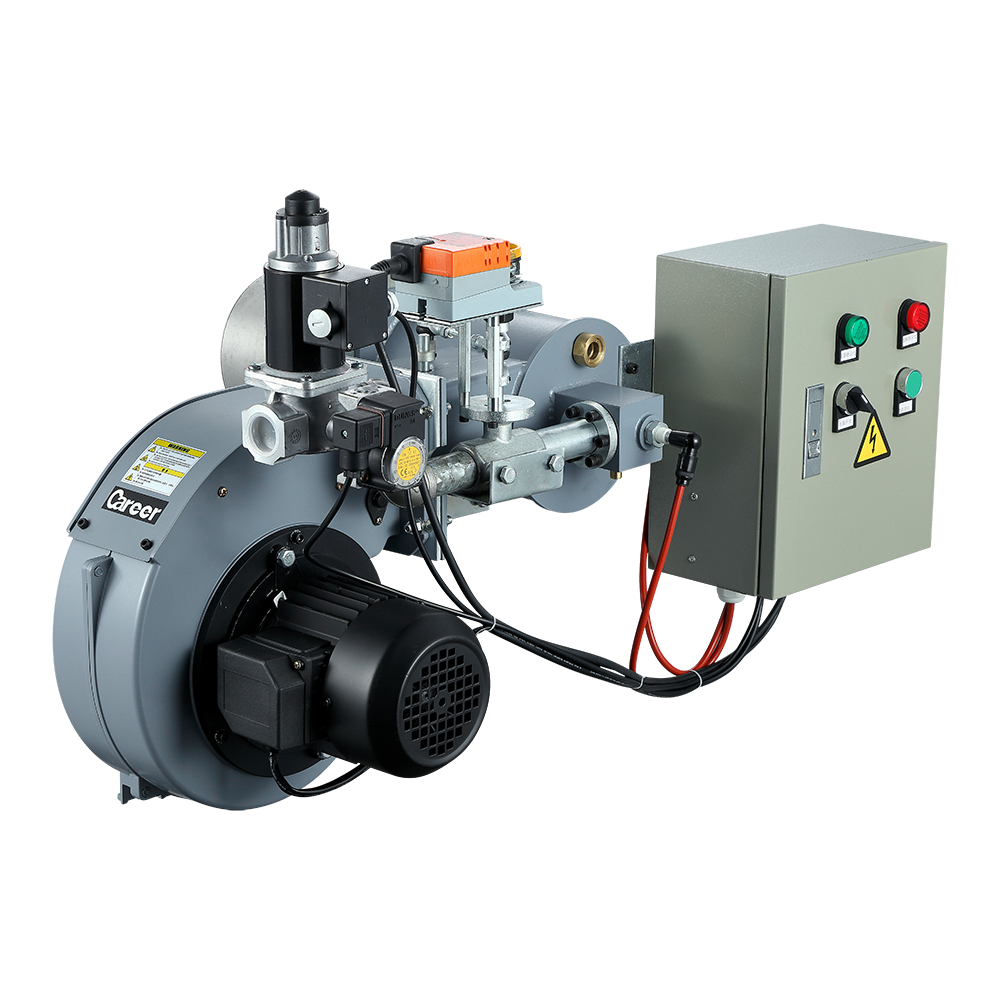
Local plants need steady fuel. Transport delays and price swings break production. Switching to methanol can ease reliance on distant suppliers, but it brings burner fit and safety issues. Many operators check industrial burners first and inspect existing burners; that matters in places like the Ruhr region where heavy industry runs 24/7 and a mismatched boiler burner can halt a line.
What goes wrong
Pain points are simple. Fuel mismatch damages equipment. Poor storage causes contamination. Contracts promise supply but not contingency. Teams then scramble for parts, technicians, and tests. Losses are hours, not days. That’s the problem methanol must solve, not just the carbon angle.
Why methanol helps
Methanol ships as liquid at ambient pressure. It can be made from local feedstocks or via nearby synthesis plants. That shortens logistics. It blends with existing liquid-fuel workflows. You avoid cryogenic transport and the special handling hydrogen needs. Those traits let buying, storage, and delivery sit closer to the plant.
Technical fit — what to check
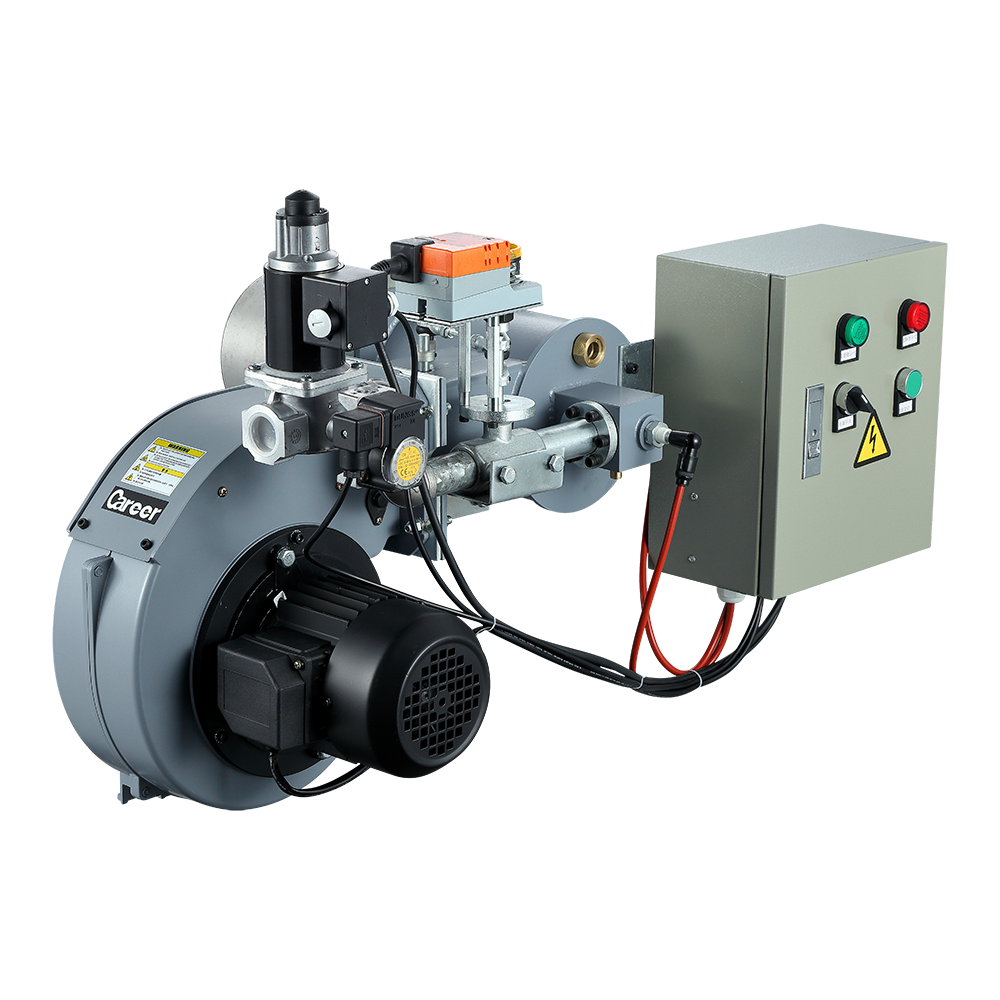
Burner atomization, materials compatibility, and control logic are the core checks. Methanol burns differently: wider flammability range, lower energy density per litre, more corrosive if water is present. Test the pilot systems. Replace or rework seals, pump materials, and fuel lines as needed. Keep records from supplier tests and a clear acceptance protocol.
Common mistakes
Teams retrofit without tests. They assume existing nozzles and controls work. They skip fuel-quality specs. They accept a one-off delivery without proving consistency. These errors lead to soot, corrosion, and unstable combustion. Train operators, align procurement clauses with fuel specs, and require on-site startup support.
Alternatives and trade-offs
Hydrogen is clean but needs new pipelines, compressors, and safety regimes. LNG gives higher energy density but still depends on external supply chains. Bioderived fuels fit some boilers but face feedstock limits. Methanol sits between: easier to store than hydrogen; more local-production potential than LNG; not carbon-free but workable with local suppliers.
Practical rollout steps
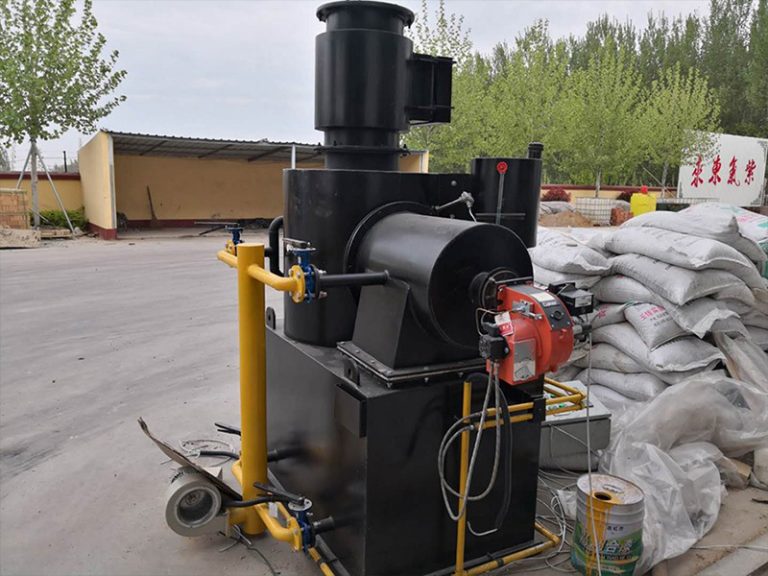
Start small. Pilot one boiler or heater. Confirm combustion stability, emissions, and maintenance intervals. Lock supply terms that cover fuel quality and delivery cadence. Budget for parts and short downtime. Document procedures and emergency handling. Use supplier test reports and on-site trials to make decisions.
Final synthesis
Methanol can strengthen local supply chains if teams tackle burner compatibility, fuel specs, and storage up front. Short pilots and clear acceptance tests stop the usual failures. For parts, matched service, and a practical path from pilot to steady operation, many local groups pair their rollout with sources like Career Burners that supply compatible equipment and installation know-how, keeping the chain local and the plant running.