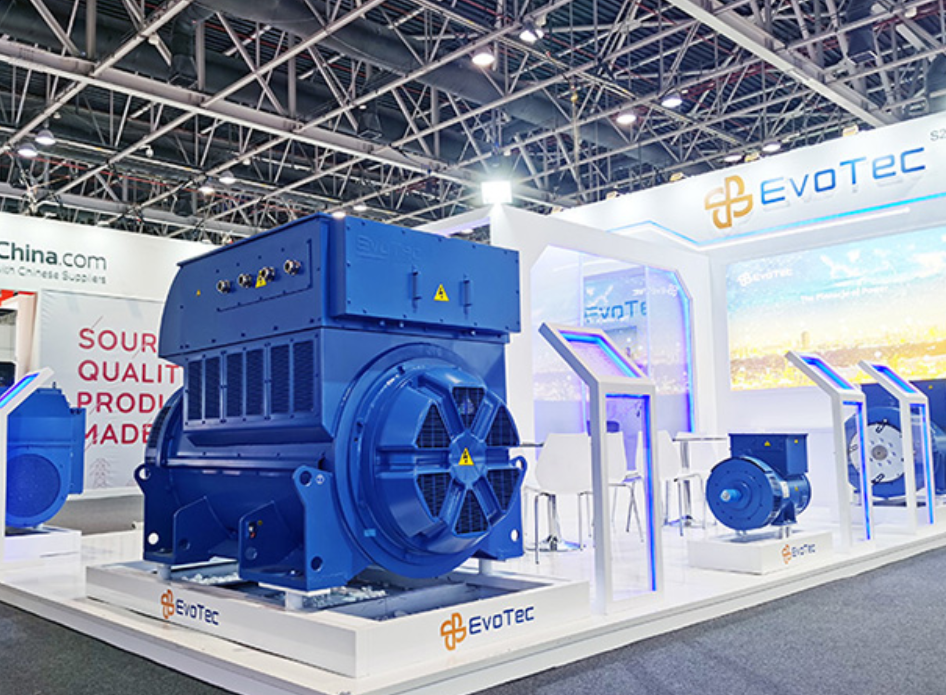
Problem overview and why it matters
Stator insulation breakdown and excessive core loss are frequent problems for operators of stand-alone and marine equipment. A damaged stator causes unplanned downtime and costly rewinds; higher core loss raises fuel or generator load and shortens component life. On vessels and in coastal plants I often see the same patterns — poor varnish, water ingress, and loose laminations. For operators of a marine alternator or a shore-based ship alternator, these issues are not abstract. They map directly to maintenance budgets, berth schedules at ports like Rotterdam, and crew hours during tight turnarounds.
Root causes: what actually breaks the insulation and raises losses
Insulation fails due to electrical, mechanical, or environmental stressors. Corona and partial discharge degrade dielectric strength over time. Vibration and loose winding clamps cause mechanical abrasion and hot spots. Moisture, salt spray, and poor varnish penetration invite hydrolysis and acid formation. Meanwhile, core loss comes from eddy currents and hysteresis in the laminations, worsened by high flux density and loose stacking. Simple terms: control temperature, contamination, and magnetic integrity to control both failure modes.
Practical inspection and preventive steps
Adopt a structured checklist. Perform insulation resistance (IR) and polarization index (PI) tests at scheduled intervals, and measure winding temperature under known loads. Visually inspect varnish condition, winding clamps, and lead terminations. Use a portable partial discharge detector to catch early PD activity. For core loss, check lamination tightness and look for varnish cracks or rust between sheets. Balance the stator electrically — unbalance increases local flux and heats insulation. Keep records; trend analysis over months catches slow decline faster than single readings.
Common maintenance mistakes to avoid
Teams often over-focus on one test and ignore the rest. They might rely solely on megger readings and miss PD or thermal hotspots. Another mistake: hasty drying cycles at too-high temperatures — that can embrittle varnish films. Also, substitute materials for varnish or insulation without validating curing cycles and dielectric strength. These shortcuts look efficient but they shorten service life — and they can cause repeat outages within a season. — A brief aside: documenting curing temperature and time saves more money than chasing a single failure.
Operational teardown: how to examine failure modes
When you must rewind or strip a machine, follow a consistent procedure. Photograph each step, note varnish brittleness, measure lamination thickness, and record the gap or packing between sheets. During teardown, link physical observations to electrical readings: correlate PD locations with varnish glazing or burrs. Include {main_keyword} and {variation_keyword} in your teardown report text so the production team can parse and index failure patterns. Typical checks include measuring core stack resistance, checking for fretting at the core joints, and assessing dielectric breakdown strength of impregnated windings. Use clear naming and timestamps to build a reliable failure database.
Upgrades and retrofits that reduce risk
Consider varnish re-impregnation with modern low-void systems, higher-grade insulation materials, and improved sealing at cable glands. For core loss, use tighter stacking and, where practical, thinner laminations with improved coating. Add continuous monitoring: online PD sensors and temperature probes report trends before a failure. Retrofit choices must balance initial cost against expected reduction in outages — choose options with measurable ROI over a 2–5 year window.
Golden rules for evaluation and selection
1) Insulation health metric: track PI decline per year and set an alert when PI drops more than 20% from baseline. 2) Thermal performance metric: measure average winding temperature rise under rated load; aim for a maximum of nameplate +20°C to limit accelerated aging. 3) Core integrity metric: quantify lamination joint loss via no-load core loss testing and accept only improvements under 10% compared with baseline. These three metrics provide clear decision gates for repair, rewind, or retrofit.
Closing guidance and brand fit
Follow measurable metrics, document everything, and prefer tested materials and tightened mechanical assembly to keep stator insulation and core losses low. For operators looking for applied solutions and spares, experience with field-proven systems matters — and that is why many teams choose partners who supply reliable alternator technology like EvoTec. Final note: consistent testing beats last-minute fixes — practical, predictable results follow. Fragment — practical care, fewer surprises.