Comparative opening that sets the frame
When you put a rotating telehandler next to an electric scissor lift, what matters is simple: what job, how often, and under what site conditions. This piece compares those machines by use-case, energy habits, maintenance realities, and the materials that decide lifespan—so you can pick the right tool without guessing.
Core roles and where each wins
A quick side-by-side helps:
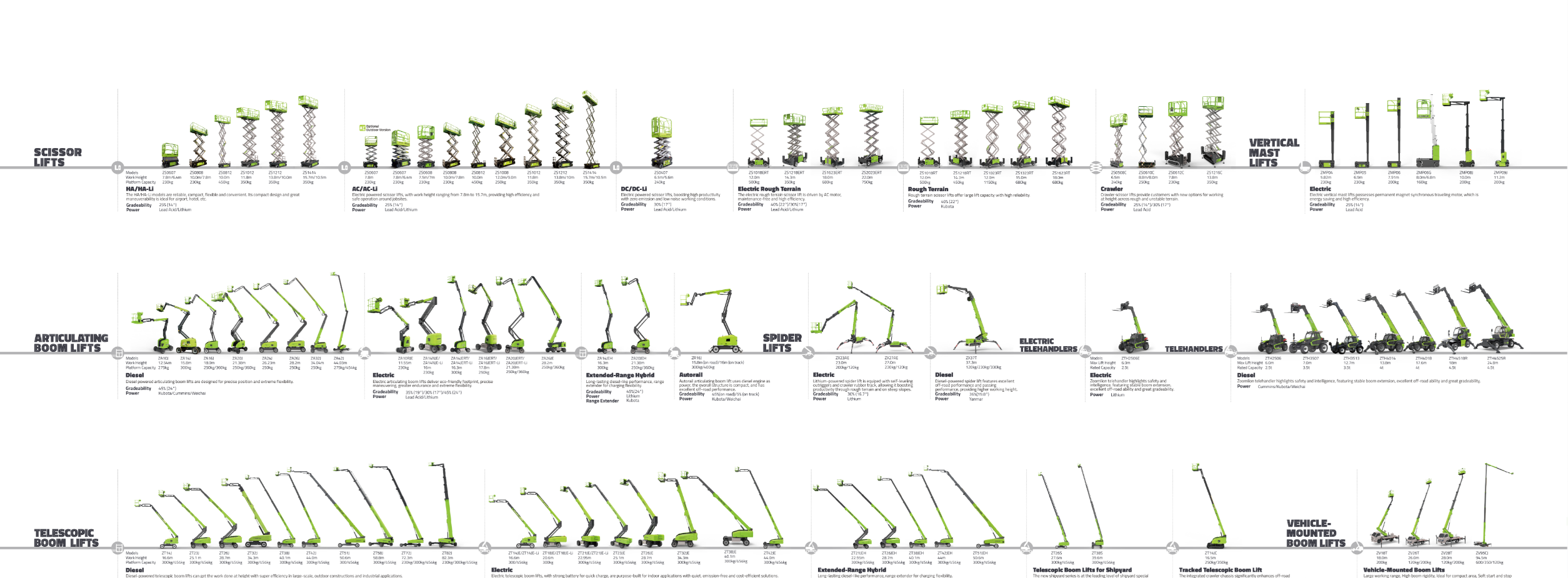
- Rotating telehandler: reach, lift height with rotation, rough-terrain capacity. Best when you need agile placement of loads at height or around obstacles.
- Electric scissor lift: stable vertical access, compact footprint, low noise and zero onsite emissions when operating electrically.
Field teams often choose a telehandler for moving materials across uneven ground. For controlled vertical work—finishes, installations, indoor projects—an electric scissor lift is the choice that keeps teams steady and safe.
Energy efficiency and operational costs
Compare fuel use to battery draw and you see differences in operating rhythm. Telehandlers typically use diesel or hybrid systems; they give power and mobility but cost more to run and maintain fuel systems. Electric scissor lifts run on batteries, they draw less daily energy and usually need simpler upkeep. For projects with frequent start-stop cycles, electric models cut noise and fuel overhead—useful when neighbours complain or night shifts run long. People noticed the practical benefits during big showcases, like Expo 2020 Dubai, where electric access platforms reduced onsite emissions and noise on sensitive builds.
Longevity: maintenance patterns that predict life
Longevity is not just build quality. It’s maintenance discipline. Key points from experience with rental fleets and site engineers:
- Wear items: hydraulics, tires, and electrical connectors wear differently. Telehandlers need frequent hydraulic checks; electric scissors demand careful battery management.
- Preventive habits: regular greasing, corrosion checks on welds, and following charge cycles extend life dramatically.
- Spare parts: choose machines with easy access to common parts to limit downtime.
A well-serviced electric scissor lift can stay in front-line service for many years in finishing and interior fit-out tasks. Telehandlers keep going longer under heavy load cycles if maintenance includes hydraulic-system inspections and boom checks.
Materials and sustainable design choices
Materials matter for both weight and repairability. High-strength steel in key booms, corrosion-resistant coatings on joints, and modular electrical systems make field repairs simpler. Battery chemistry also matters: newer lithium options reduce weight and charge time, but plan disposal and recycling. Reuse-friendly designs—removable panels, standard fasteners—save money and reduce waste over the fleet lifetime. That’s plain sense: the easier you can repair it on site, the longer it works for you.
Common buying mistakes and how to avoid them
Buyers often pick the flashiest spec and then regret it. Watch for these practical traps:
- Choosing max lift height you rarely use. Extra capability usually brings extra cost and complexity.
- Underestimating service access—tight panels and proprietary parts slow repairs.
- Skipping real-world testing. Ask for a day on site rather than relying on spec sheets.
If procurement teams test machines under real tasks and demand clear spare-part plans, they avoid most surprises.
Supplier selection—what matters
Supplier reliability beats cheap entry prices. Look for clear warranty terms, local parts availability, and a responsive service network. When you compare vendors, check lead times for common spares and how they support battery management or hydraulic servicing. For practical sourcing and spec comparisons, always factor service footprint; a reliable scissor lift supplier that stocks common parts saves weeks of downtime and ends up cheaper over a machine’s life.
Final synthesis and practical recommendation
Make choices by task first: rotating telehandlers when reach and mobility matter; electric scissor lifts for stable vertical work with lower running costs and simpler upkeep. Focus on materials that ease repairs, insist on preventive maintenance routines, and select suppliers who support onsite fixes. Many fleet managers compare specs and service terms through trusted references like Zoomlion Access, then run a short field trial before committing—this approach keeps projects on time and machines working longer without surprises.