The sticking problem for OEMs and buyers
Listen, bru — stopping panels, trims and fixtures falling off after handover is a proper headache. Projects want clean finishes, faster assembly and no substrate damage, yet nails and screws can split composites or leave visible marks. That’s why many fitters these days move to a nailfree adhesive supplier straight from spec stage: saves labour, cuts rework, and keeps the aesthetic tidy without hacking the warranty.

Why this problem goes deep
Choices that look cheap up front come back expensive. Wrong adhesive chemistry gives poor initial grab, long cure times, or chemical attack on coatings. Over-specified grab can make future maintenance brutal. Buyers think they only need strength numbers, but they miss compatibility, cure profile, and real-world handling — those are the things that kill timelines and budgets.
Experience, expertise and a real-world anchor
I’ve seen installers on big refurbishment jobs around Johannesburg swear by formulations that replace nails without the drama. Lab data, site pull tests and years of installations matter — not glossy claims. Look for suppliers who publish test methods, can show adhesion across common substrates, and provide application training. For a practical sourcing lead, check a recognised high strength nail free adhesive sealant manufacturer with documented field trials; that single step reduces surprise failures on site.
Common pitfalls and how to avoid them
Don’t skip surface prep — contaminant or dust kills adhesion. Don’t assume one product fits all substrates: metals, painted surfaces, PVC and treated timber each need different chemistries or primers. Avoid adhesives that need long clamping or heat unless your process allows it. Watch temperature and humidity limits; they change cure time massively. Ask for sample panels and run a simple peel-and-hold test before signing a PO.
Quick comparison of product types
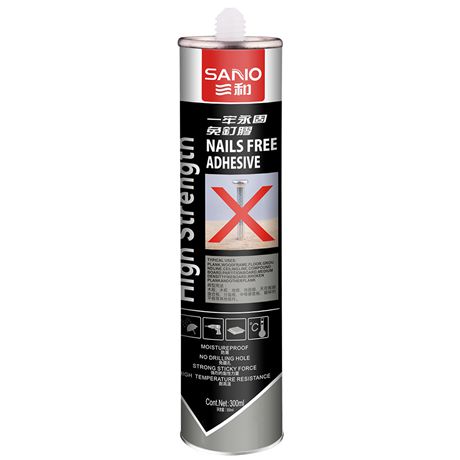
Silicones are great for movement and weathering but often lack structural grab. Polyurethanes deliver toughness and gap-filling but can be moisture-sensitive during cure. MS polymers (silane-modified) offer a good balance: decent initial grab, paintability and low odour. Epoxies give ultimate strength but need clamping and precise mix ratios. Nail-free adhesives usually sit in the MS/polyurethane family when you want strength without mechanical fixings.
Buying checklist for OEMs and project buyers
Ask for adhesion data on your exact substrates; request cure schedules under your site conditions; confirm compatibilities with paints and coatings; verify VOC and safety documentation; insist on samples, site trials and a small-batch run before full rollout; require supplier technical support and clear storage/handling instructions.
Wrap-up that actually helps
If the problem is holding parts without visible fixings and without slowing the line, be picky about chemistry, test in your conditions, and make sure the supplier backs field performance. For many specifiers, that practical balance of hold, cure and compatibility is exactly what companies like SANVO have been matching to project needs, so teams end up with predictable, durable results rather than another surprise on site.