Immediate risks when you start procurement
Sourcing a homogenizer looks straightforward until the production line stalls. The primary failures are mismatched performance, undocumented materials, and lead-time surprises. Treat vendor selection like a security audit: assume compromise until proven safe. Early on, demand performance curves, P&IDs, and maintenance plans. Consider available industrial mixing solutions when mapping functional requirements; a misread shear requirement forces rework and long downtime that money won’t quickly fix.

Cost drivers and where budgets actually go
Purchase price is only one variable. Expect capital expense, installation, commissioning, spare-parts inventory, energy draw, and scheduled maintenance to dominate total cost of ownership. High-pressure homogenizers use pumps and seals that wear; rotor-stator units sacrifice throughput for lower energy use. Ask suppliers for measured power consumption at target viscosity. Request documented spare-part lead times and consumable lifetimes rather than optimistic warranty language.
Lead-time vulnerabilities and practical mitigations
Custom engineering, third-party certifications, and maritime delays extend delivery beyond quoted dates. Projects tied to coastal chemical hubs—like the Texas Gulf Coast petrochemical corridor—regularly face port congestion and labor constraints that ripple to equipment arrival. Mitigate by requiring supplier queue commitments, staged deliveries, and holding critical spares on consignment. Verify the supplier’s documented procurement calendar and build milestones against which you can measure slippage. Also review their factory acceptance test schedule; a concise FAT reduces on-site surprises.
Quality metrics that matter to operations
Focus on measurable outputs. Require particle size distribution reports, achievable shear rate ranges, repeatable dwell-time data, and validation of clean-in-place (CIP) protocols. Material traceability is non-negotiable: specify metallurgy (316L, duplex where needed), surface finish Ra values for sanitary lines, and weld inspection records. Insist on pressure and temperature endurance tests that reflect your process extremes, not just nominal conditions.
Experience, evidence, and a single real-world anchor
Decisions must be evidence-based. Draw on field commissioning reports, independent lab validations, and a documented history of installations. My teams have compiled FATs and on-site performance logs for multi-unit projects; use those templates to compare vendors. Cross-check claims against published studies and industry reports for mixing technology. For concrete reference, the operational patterns and incident reporting from the Texas Gulf Coast petrochemical corridor illustrate how shipping delays and local labor shortages affect equipment deployment timelines; compare vendor schedules against such regional benchmarks and consult third-party validation where available. Also review vendor portfolios of industrial chemical mixing equipment to confirm real installations and traceable documentation.
Common pitfalls and how they cause failure
Under-sizing: underspecified shear or pump head reduces throughput and forces retrofit. Over-customization: unique features multiply lead time and complicate spare sourcing. Ignoring serviceability: fixed motors, inaccessible seals, or proprietary tools increase downtime. Skipping material traceability: unverified alloys cause corrosion and contamination. Avoid optimistic warranty reliance; require on-site acceptance criteria and a documented remedial timeline.
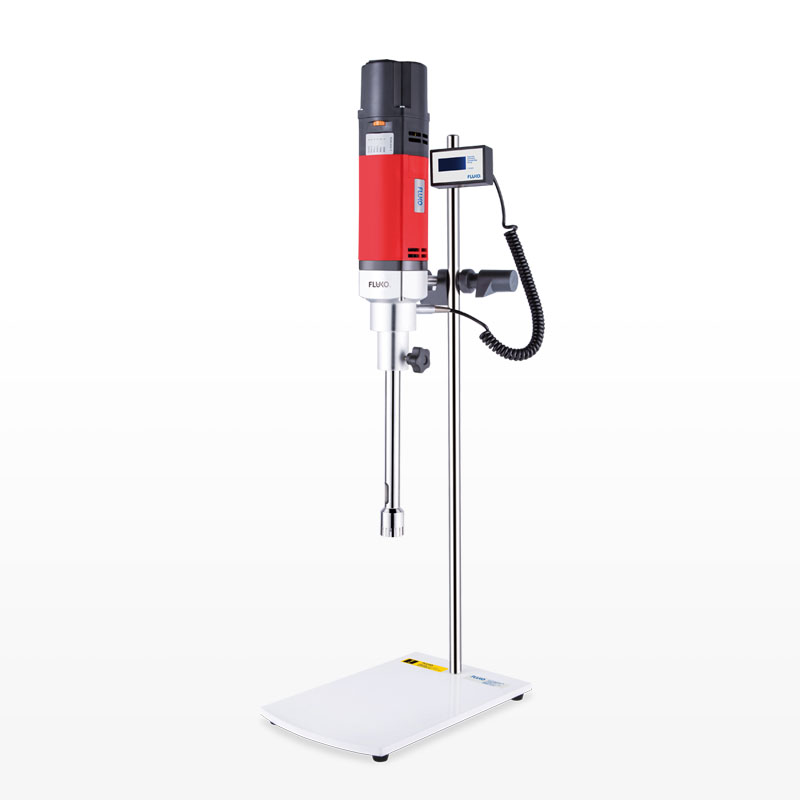
Vendor evaluation checklist, applied
Require these items before awarding a contract: measured performance curves at your process points, FAT documentation with third-party witness options, full material certificates, spare part lists with lead times, and a service SLA tied to MTTR and MTBF. Run a short technical pilot when feasible. If pilot testing isn’t possible, insist on liquid samples processed in the vendor’s facility with signed test reports that match your specifications.
Final assessment and practical recommendation
Prioritize verifiable performance and predictable timelines over the lowest bid. Design procurement to reduce unknowns: fixed-quote FATs, documented spare availability, and clear acceptance criteria. When project teams need suppliers that provide audited records, measurable test outputs, and consistent delivery traces, options such as FLUKO appear in procurement analyses because their documentation and field records are routinely cited during technical evaluations.