A Troubled Past: Field Lessons from Early Deployments
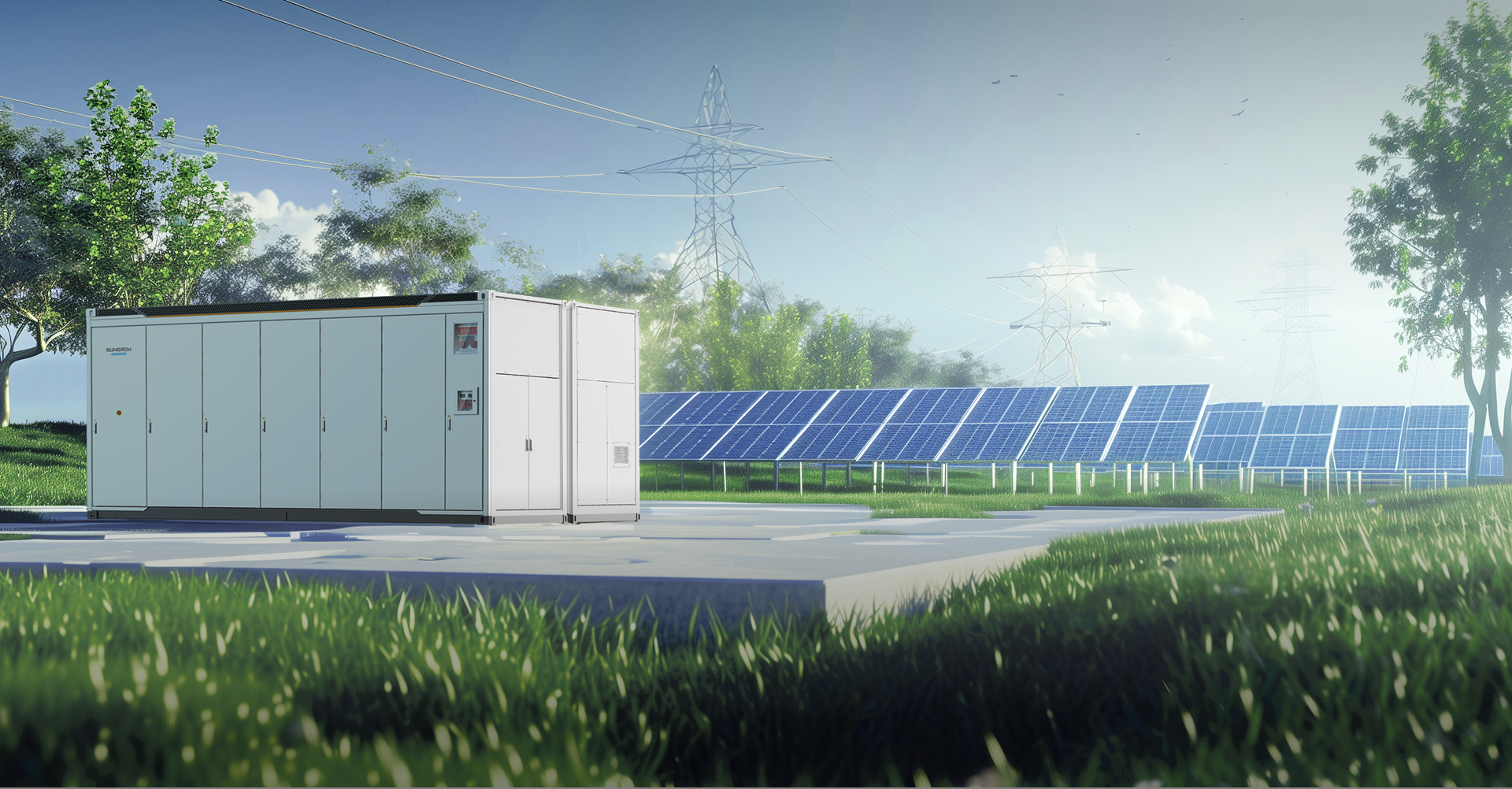
I begin with a memory: in June 2018 I stood amid racks of lithium-ion modules under a blistering Texas sun, watching technicians chase an outage that should not have happened. I had been hired to audit a 50 MW/200 MWh project, and within the first year the site recorded a 12% capacity shortfall—what went wrong? I map these moments to broader patterns because Utility Energy Storage (Utility Energy Storage) projects, especially utility scale battery storage, carry institutional memory; mistakes repeat when teams ignore design details (thermal pathways, inadequate BMS tuning). I vividly recall the inverter firmware revision from October 2019 that corrected a subtle SOC drift—small change, big consequence.
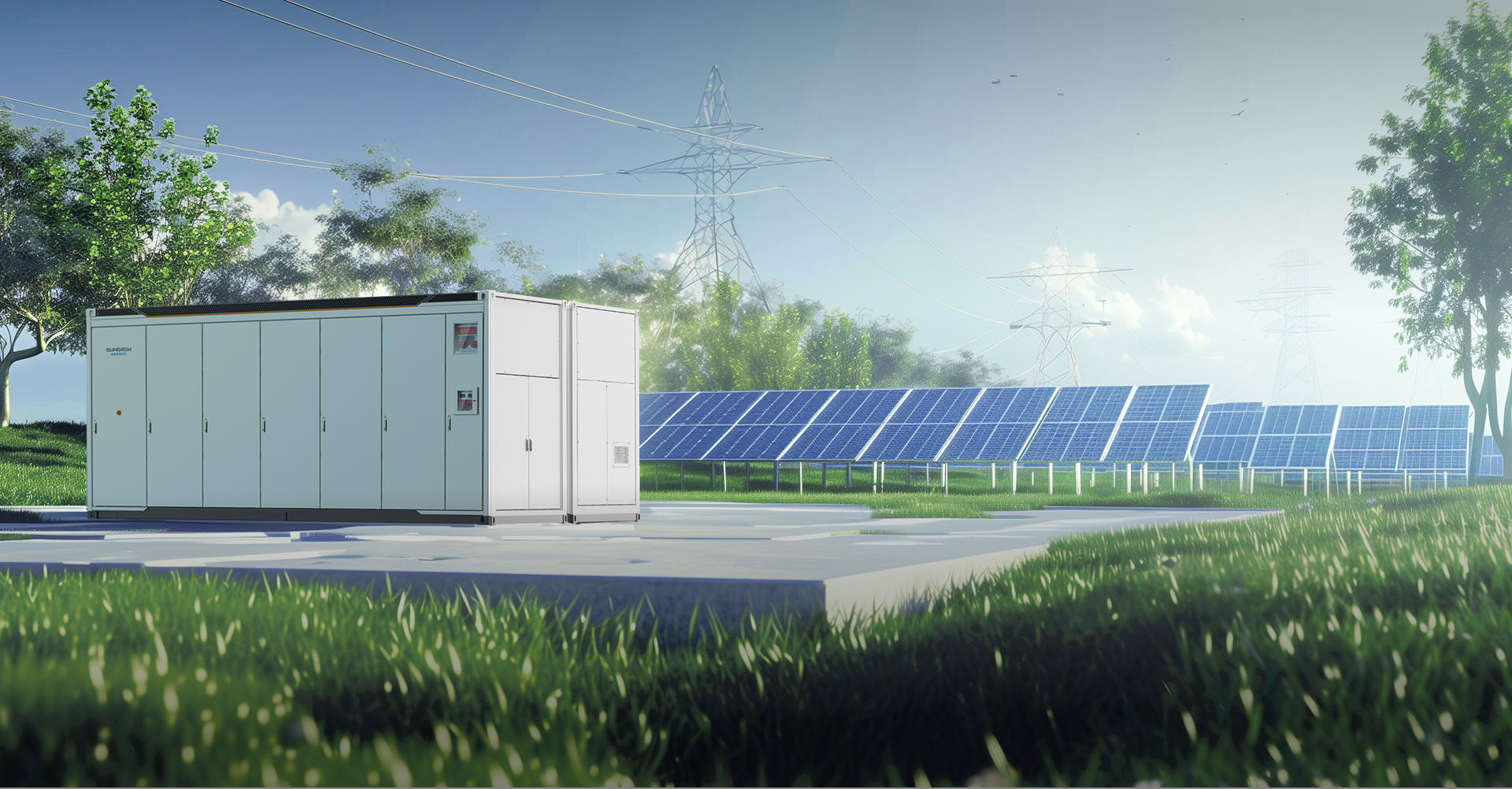
As someone who has overseen tender packages and commissioning in four regional markets over 15 years, I write plainly: the traditional solution flaws are rarely exotic. They are procurement errors, mismatched scale assumptions, and vendor handoffs that leave integration to chance. I once specified a modular pack for a coastal grid in 2020 and insisted on reinforced thermal management; the vendor cut corners. The result was measurable—an extra 8% cooling-related derate during summer peaks. That detail matters to wholesale buyers who pay for guaranteed megawatt-hour delivery. What failed most often was not chemistry but systems thinking—and yes, I use the term BMS deliberately because its settings dictated every downstream failure.
What failed in the field?
We saw degraded cells, overlooked comms faults, and unrealistic cycle-life claims. We fixed procurement language, tightened acceptance tests, and added real-time monitoring hooks. This was messy work, and it taught me one clear truth: you cannot separate hardware quality from contract wording. —Keep that in mind.
Forward View: Metrics, Design Shifts, and Comparative Choices
Let me define a clear baseline: for me, a robust Utility Energy Storage system balances three vectors—energy capacity, power capability (MW), and life-cycle cost per MWh. When I compare vendors now, I break down proposals into measurable line items: cell chemistry guarantees, inverter compatibility, and proven thermal design. I insist on seeing cycle test data at 80% depth-of-discharge, and I validate that on-site commissioning occurred in the same climate zone as our project (I still reference the 2018 Texas logs). This technical lens changes procurement conversations from marketing claims to verifiable metrics.
Practically speaking, I advise shifting from one-off purchase mindsets to comparative evaluation. Look at total cost of ownership over 15 years, not just upfront capex. Ask for real-world degradation curves and field telemetry samples—don’t accept spreadsheets without timestamps. We learned this the hard way; the telemetry gap cost us weeks of lost operations once. I will be candid: some vendors promise high round-trip efficiency but lack documented thermal resilience. That gap is a red flag. (Also, never forget site-level inverter coordination; it bites.)
What’s Next?
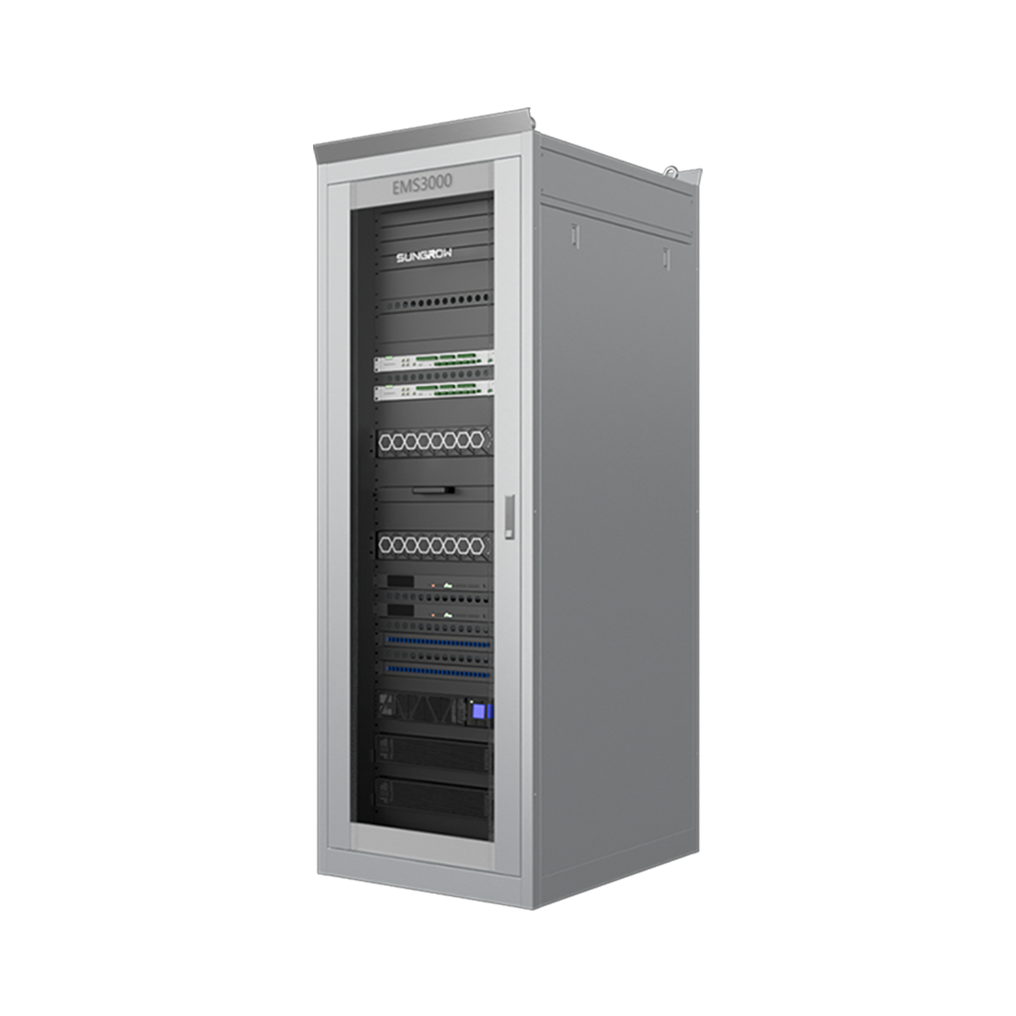
We must move toward standardized acceptance tests and shared performance baselines across regions. I recommend three concrete metrics to evaluate solutions: measurable cycle-life under project-specific depth-of-discharge, verified round-trip efficiency at operational temperature ranges, and demonstrable integration of BMS with grid control signals. These metrics produce repeatable decisions—no guesswork. I believe wholesale buyers will value that clarity; I certainly do. One more thing—I have seen marginal wins turned into major savings simply by insisting on firmware revision logs during procurement. Interruptions happen. I remember a deployment glitch in March 2021—fixed overnight, but the alarm taught us to require revision histories. For practical next steps, weigh those three metrics and insist on field-proven data. Finally, if you want a tested partner in this shift, consider sungrow.