A bleak start — the problem-driven premise
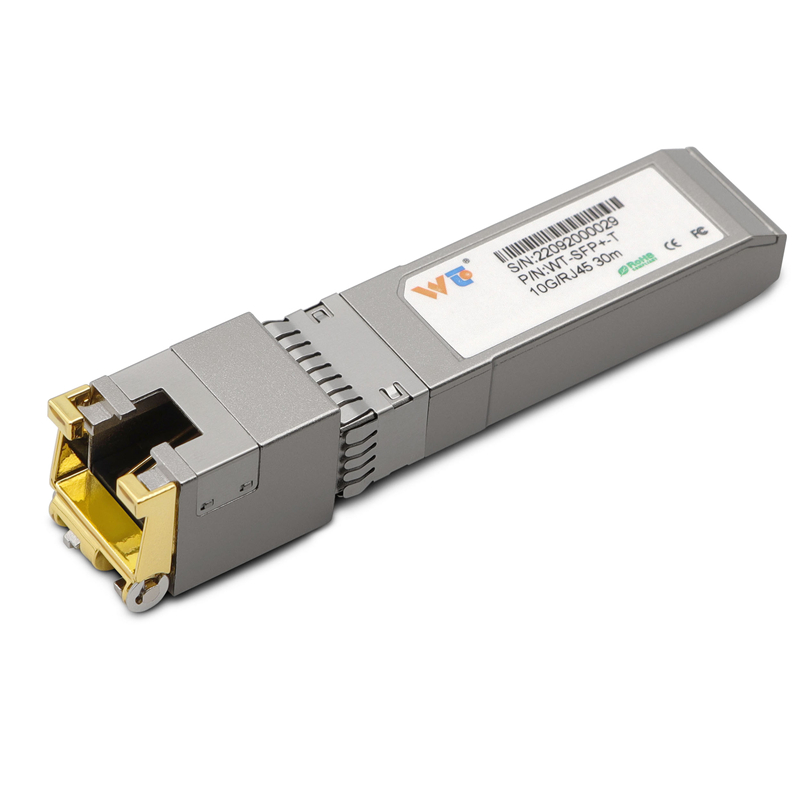
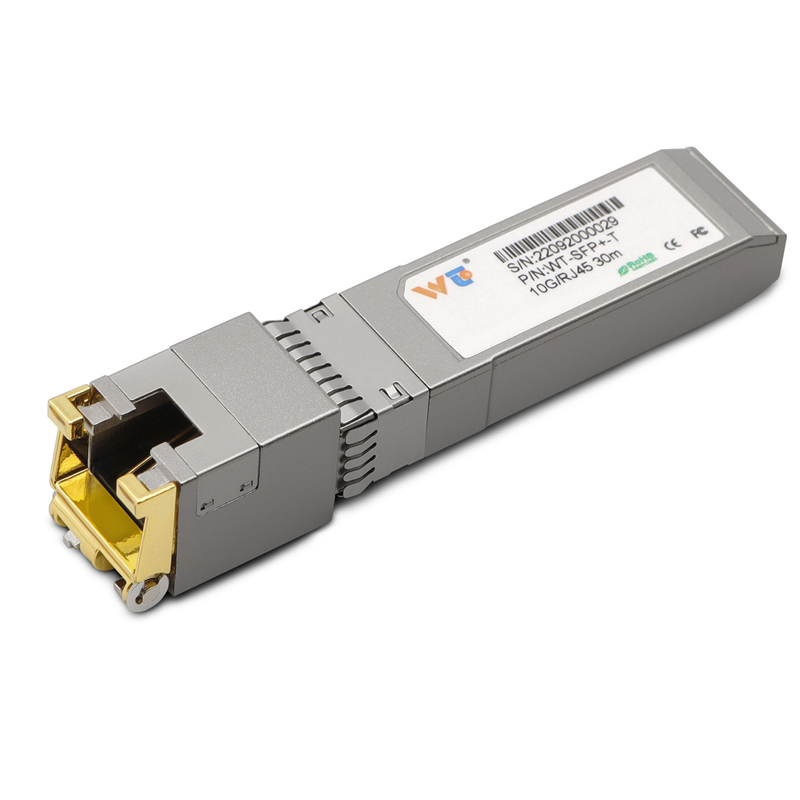
Networks fray in quiet ways until they snap. On a 100G QSFP28 CWDM4 span, a Forward Error Correction mismatch can turn predictable throughput into intermittent collapse. The first technician in the room sees the lights and the logs, but the root cause hides between SFP lane configs and link negotiation quirks. If you swap optical and copper modules, test with a trusted sfp to rj45 transceiver as a sanity check; its behavior often exposes whether the fault is optical or protocol-level.
Why FEC mismatches kill CWDM4 links
FEC governs how errors are corrected across high-speed lanes. On CWDM4 optics, the combination of chromatic spacing and tight lane margins means any mismatch between devices — one side using FEC, the other bypassing it — raises raw bit error rates until the link falls back or flaps. The symptoms are simple: high CRC counters, repeated retrains, and application-layer timeouts. Remember the 2021 Facebook outage as a reminder: a single layer failure can cascade across services and regions when control-plane signals fail to keep pace with physical-layer errors.
Diagnose at the rack: step-by-step
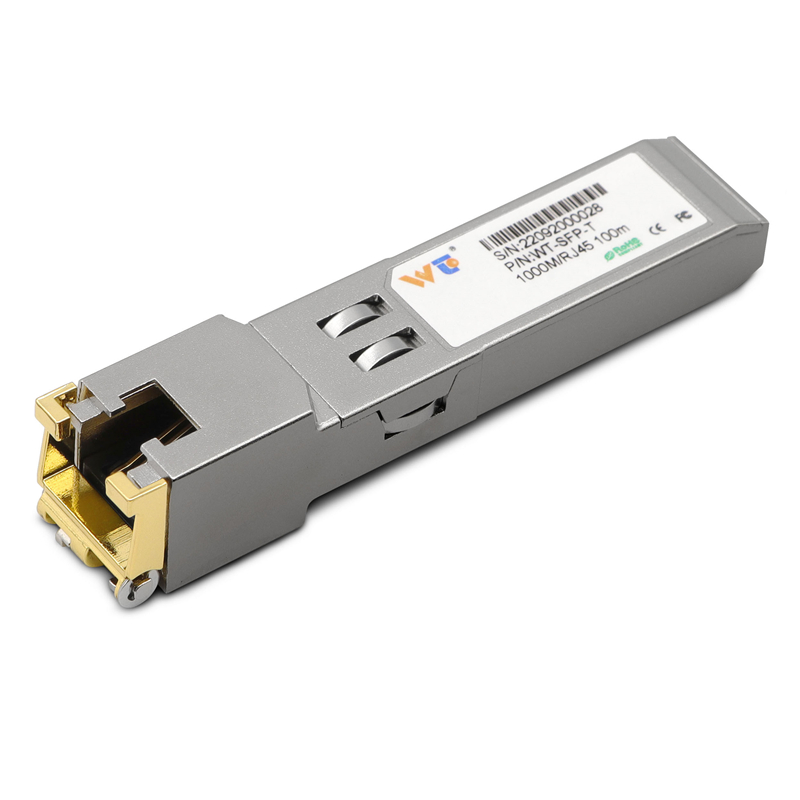
Begin with the simplest truths. Check module labels: QSFP28, CWDM4, and declared FEC modes. Use an inline SFP tester, loop traffic, and capture error counters on both ends. Inspect autonegotiation and the PHY register settings for FEC advertise bits. When you need a controlled copper fallback during testing, try a proven sfp to rj45 adapter to eliminate fiber optics from the equation. Log each change and observe whether the device transitions from hard errors to soft errors.
Checklist — immediate commands and checks
– Confirm both endpoints use the same FEC type (e.g., KR-FEC vs. no FEC).
– Verify transceiver firmware compatibility and PHY programming for QSFP28 lanes.
– Swap with a known-good transceiver to isolate the optic.
– Monitor post-swap error counters for 15–30 minutes under production load — that window often reveals intermittent failures.
Common mistakes that prolong outages
Operators often assume “auto” will solve mismatch problems. It doesn’t. Leaving one side on proprietary FEC and the other on standard FEC forces repeated retrain cycles. Another frequent error is ignoring temperature and power rail variance; CWDM4 lasers are sensitive to supply drift. Finally, replacing optics without checking link training logs wastes time — a thermal shift can look like a bad module until current draw is compared.
Field teardown and the {main_keyword} / {variation_keyword} note
When you open a production teardown, record the firmware revisions, laser bias currents, and the exact PHY register snapshot. During a live test I ran at a metropolitan exchange, replacing a marginal QSFP28 with a spare fixed the link only after firmware harmonization and a deliberate FEC re-advertise. The sequence is clinical: swap, log, force retrain, observe. And — take the time to run a copper fallback case with an SFP to RJ45 transceiver if optical noise is suspected. These are not theoretical checks; they are the practical rituals that restore determinism.
Human aside — a brief pause
Small decisions compound. The wrong firmware file, left overnight, can mean hours of service loss the next business day — a quiet disaster that could have been averted with one deliberate command.
Advisory: three golden metrics to choose the right fix
1) Error reduction rate: choose the fix that reduces BER and CRC counts by at least an order of magnitude within 30 minutes under load. 2) Link stability window: require 24 hours of steady-state traffic with zero retrains before declaring a permanent fix. 3) Compatibility delta: ensure firmware and PHY register differences between endpoints fall within vendor-documented tolerances — mismatches beyond that require firmware alignment or controlled replacement.
These metrics point you to pragmatic choices: reconfigure FEC, update firmware, or swap transceivers with known-good parts — steps that lead back to predictable links and restored services. WINTOP.