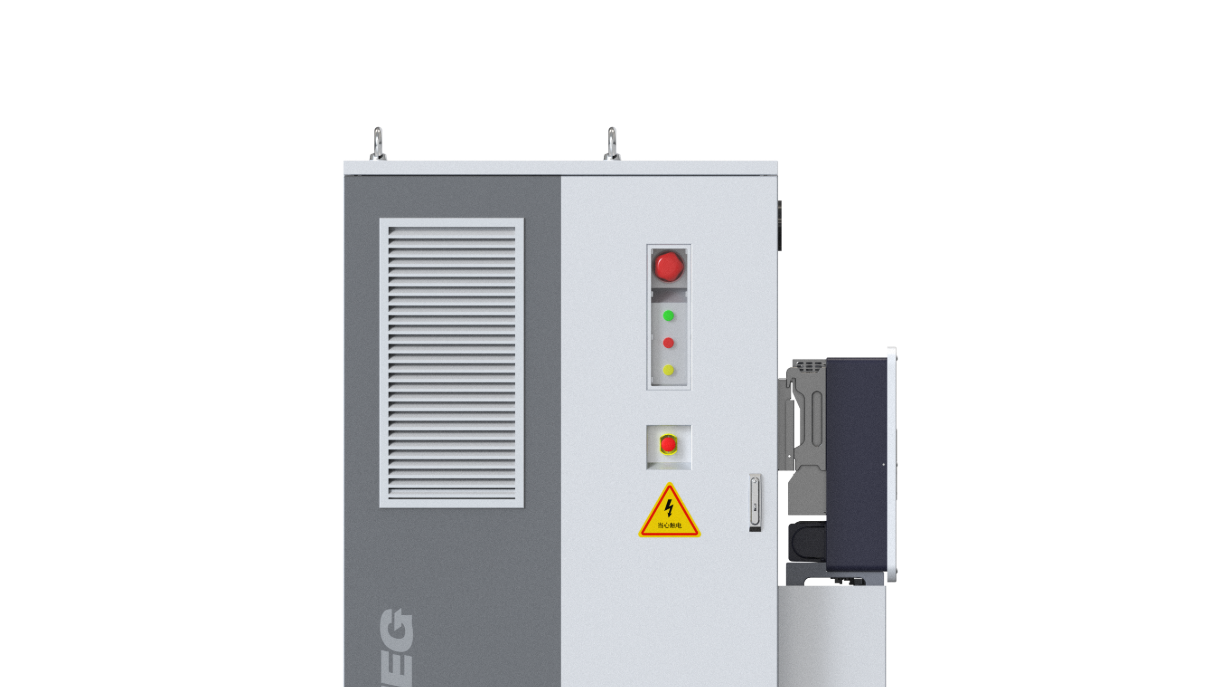
Data-led snapshot: why consolidation improves outcomes
Measured deployments show that integrating PV, inverter, and storage into a unified All‑in‑one solar power system reduces installation hours and coordination errors—two variables that directly influence project cost and time to commissioning. Early-stage procurement and on‑site labor often account for 15–25% of total project expense; consolidating components trims that overhead. For commercial projects that need predictable capacity, pairing a modular PV array with commercial battery storage and built‑in inverter controls yields tighter commissioning curves and fewer field reworks. This pattern has been visible across utility‑scale retrofits and rooftop commercial builds, including responses after California grid stress events where operators demanded faster storage rollouts.
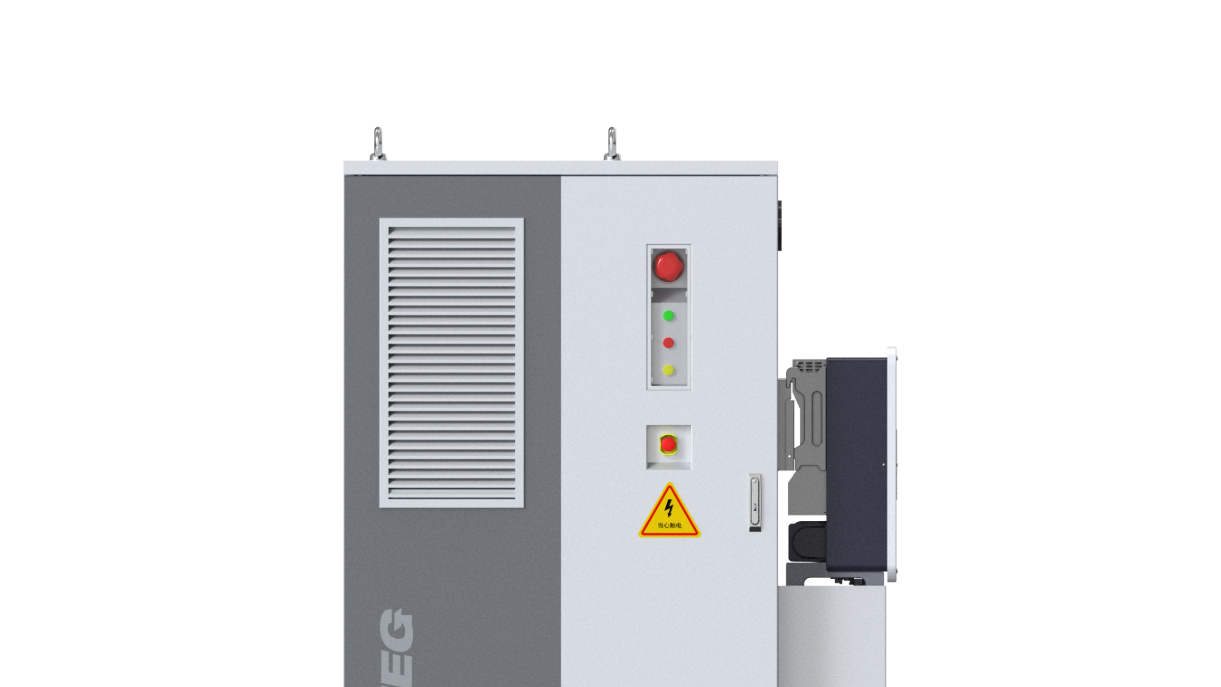
Key performance metrics that matter
Three metrics drive decision-making with data‑centric clarity: usable energy (kWh) after depth of discharge limits, round‑trip efficiency, and system-level availability. A storage system rated at 200 kWh nominal with 90% round‑trip efficiency delivers roughly 162 kWh of usable output if limited to 90% depth of discharge (DoD) after inverter and BMS overhead. Tracking these numbers across seasons exposes real energy yield versus nameplate capacity. Include DC‑coupled design or AC‑coupled choice in the model; DC coupling often increases effective PV-to-battery conversion by several percentage points but requires compatible inverter architecture.
Trade-offs in design: where data forces compromise
Cost per installed kWh is not the sole decision variable. Optimizing for lifecycle cost introduces battery chemistry considerations, charge controller topology, and thermal management. Lithium‑iron‑phosphate chemistry shifts cycle life and DoD profiles favorably for frequent cycling workloads; however, inverter sizing and BMS sophistication then become critical to prevent clipping and to manage peak shaving. Measured simulations show higher upfront cost but lower levelized cost of storage (LCOS) over a seven‑to‑ten‑year horizon when round‑trip efficiency and calendar fade are modeled accurately.
Common implementation mistakes and corrective actions
Field audits repeatedly flag three recurring errors: undersized inverters for peak PV output, insufficient BMS telemetry, and misaligned service contracts that ignore degradation curves. Corrective action is straightforward: right‑size the inverter to handle the PV array plus charge/discharge headroom; demand BMS telemetry that reports cell temperature, state of charge, and cycle count; and structure warranties around retained capacity at defined years. These fixes reduce unplanned downtime and maintain system availability for revenue streams like demand charge management and grid services—both measurable benefits.
Comparative insight: integrated systems versus piecemeal builds
Compared side‑by‑side, integrated All‑in‑one solutions shorten the chain of responsibility. That reduces integration testing from weeks to days and tends to lower interoperability risk. Standalone components can be cheaper on paper but increase testing time and require more software harmonization. Operationally, integrated systems often provide unified firmware updates and consolidated telemetry, which simplifies analytics and predictive maintenance—translating into fewer site visits and lower mean time to repair (MTTR).
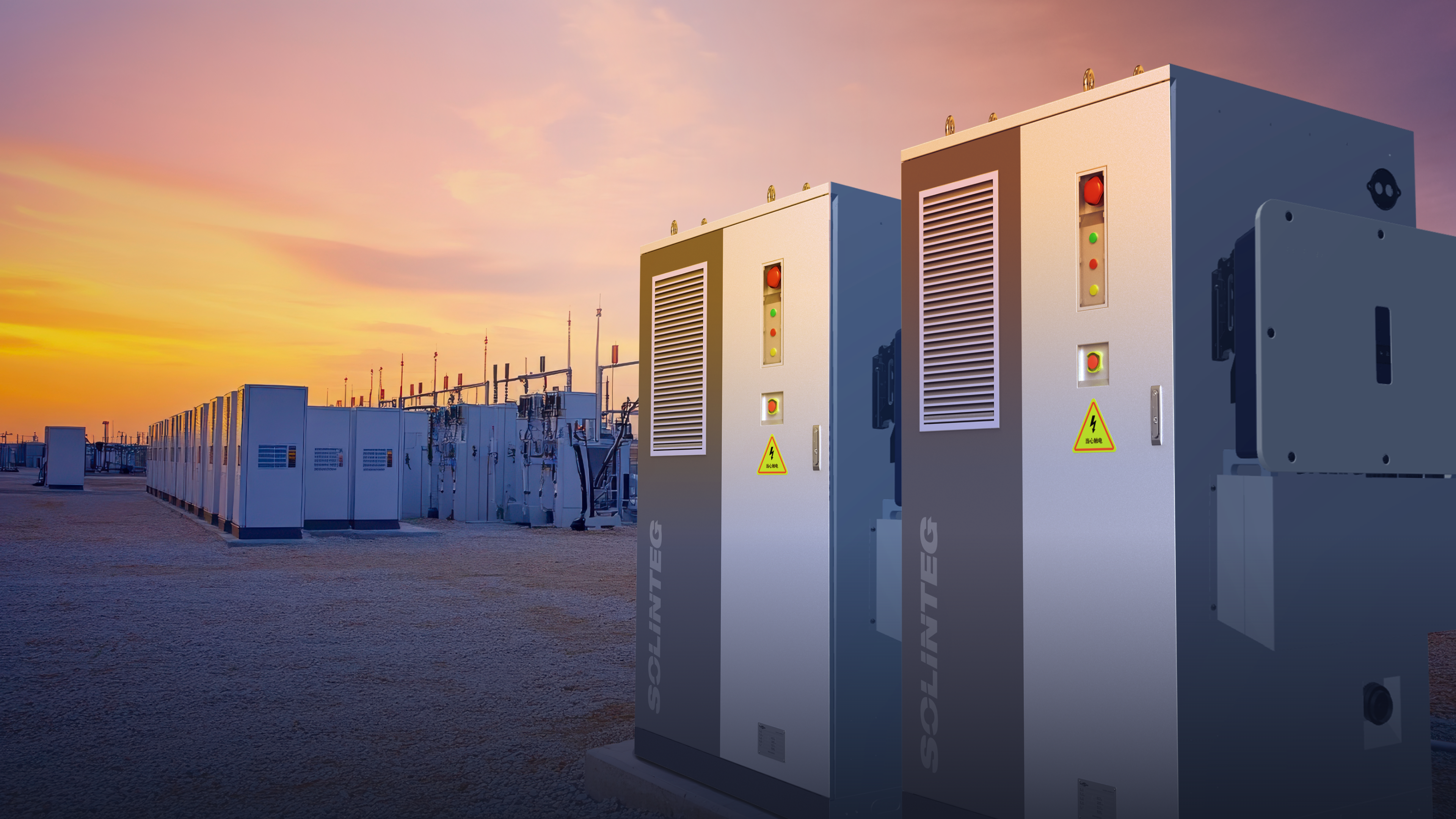
Real‑world anchor and validation
Operators who responded to California grid events in 2020 and 2022 accelerated storage procurement after seeing how fast aggregated capacity stabilized peak demand. Those deployments underscored the importance of measurable metrics—kWh delivered during peak windows, round‑trip efficiency, and hours of autonomy under defined loads. This real‑world pressure tested integrated systems and pushed procurement teams toward solutions that bundled inverter, BMS, and storage under a single warranty.
Advisory: three golden metrics to evaluate systems
1) Effective usable kWh at declared DoD and temperature range — verify delivered energy, not just nominal capacity. 2) System round‑trip efficiency and inverter conversion losses — model seasonal yield and the impact on revenue streams like demand charge reduction. 3) Telemetry granularity and lifecycle guarantees — require cell‑level or string‑level BMS data and explicit retained capacity at year 5 and year 10. Apply these metrics to vendor proposals and weight procurement decisions by modeled LCOS and proven uptime.
Choosing integrated hardware reduces integration friction and accelerates time to value; detailed metrics and validated field performance guide sensible tradeoffs. For project teams seeking an enterprise‑grade solution, SOLINTEG provides integrated hardware and analytics that align with the operational metrics above — a practical fit for commercial deployments seeking measurable outcomes. —