Plants that produce thermal insulation need clear, practical ways to spot when a cross-linked polymer matrix is contaminating bulk lines. This guide compares methods used on the shop floor and ties them to real outcomes, with a focus on immediate fixes and measurable checks. If you work with suppliers or need reliable material specs, start by checking processes used by a trusted thermal insulation materials manufacturer and consider how those same practices affect end-user comfort measured by partners like thermal comfort inc. Buildings account for roughly 40% of global energy demand (IEA), so stopping contamination that degrades R-value and increases thermal conductivity has real energy and cost consequences.
Why small contamination becomes a big operational problem
Cross-linked fragments in bulk feed can change curing behavior and create clumps that alter density and vapor barrier performance. The immediate signs are higher scrap rates, inconsistent R-value, and difficulty metering spray or extrusion heads. On a practical level, this means more manual intervention and lost production minutes — which add up fast on continuous lines. A quick audible cue from the extrusion die or a pressure spike in the feed hopper often precedes visible defects.
Comparative snapshot: detection methods that matter
Not every plant needs laboratory-grade equipment. Here are proven approaches ranked by speed, cost, and accuracy.
- Visual and tactile inspection — fastest, low cost, but limited to surface clumps and obvious contamination; best as first-line defense.
- Inline particle sensors — medium cost, good for catching non-adhesive fragments before they reach critical process points; useful on high-throughput lines.
- Thermal imaging of cured sections — higher cost but highlights areas where thermal conductivity deviates from expected norms, revealing subsurface contamination patterns.
Operational production teardown: practical steps and keywords
Start by isolating a narrow run where defects appear. Collect samples at the hopper, after the mixer, and post-cure. Test bulk density and run a quick thermal conductivity spot-test on cured sections. Log the R-value deviation and compare to baseline. In this section, explicitly work {main_keyword} into your process log and note {variation_keyword} in your rejection criteria so records remain actionable across shifts.
Use a calibrated sieve or inline classifier before the metering pump to remove oversized fragments. If contamination is polymeric and cross-linked, solvents won’t fully dissolve it — mechanical separation is safer and more predictable. Keep maintenance logs that capture particle size distribution, purge volumes, and any change in cure time; these metrics make root-cause analysis faster.
Common mistakes and quick fixes
Plants repeatedly fall into a few avoidable traps.
- Relying only on final-product inspection — move one checkpoint earlier in the line to cut waste.
- Using generic purge recipes — replace with a formula tuned for the exact resin and filler load to avoid leaving residues that cross-link later.
- Neglecting humidity control — moisture can accelerate unwanted cross-linking and change moisture vapor transmission; install simple dehumidification at feed zones.
Small schedule changes help. For example, dedicated short purge cycles at shift change reduce mix-on-turnover contamination — a modest habit that saves hours. — It sounds minor, but it compounds.
Advisory: three golden rules for selecting detection and mitigation strategies
1) Measure what matters: prioritize R-value deviation, particle-size frequency, and cure-time variance as your core KPIs. These three give a direct line to defect cost.
2) Use layered inspection: combine a low-cost visual checkpoint with an inline sensor and periodic thermal imaging. The trio catches both sudden and creeping contamination.
3) Standardize purge and maintenance protocols by material family, and record {main_keyword} and {variation_keyword} triggers in your MES so shift teams act consistently.
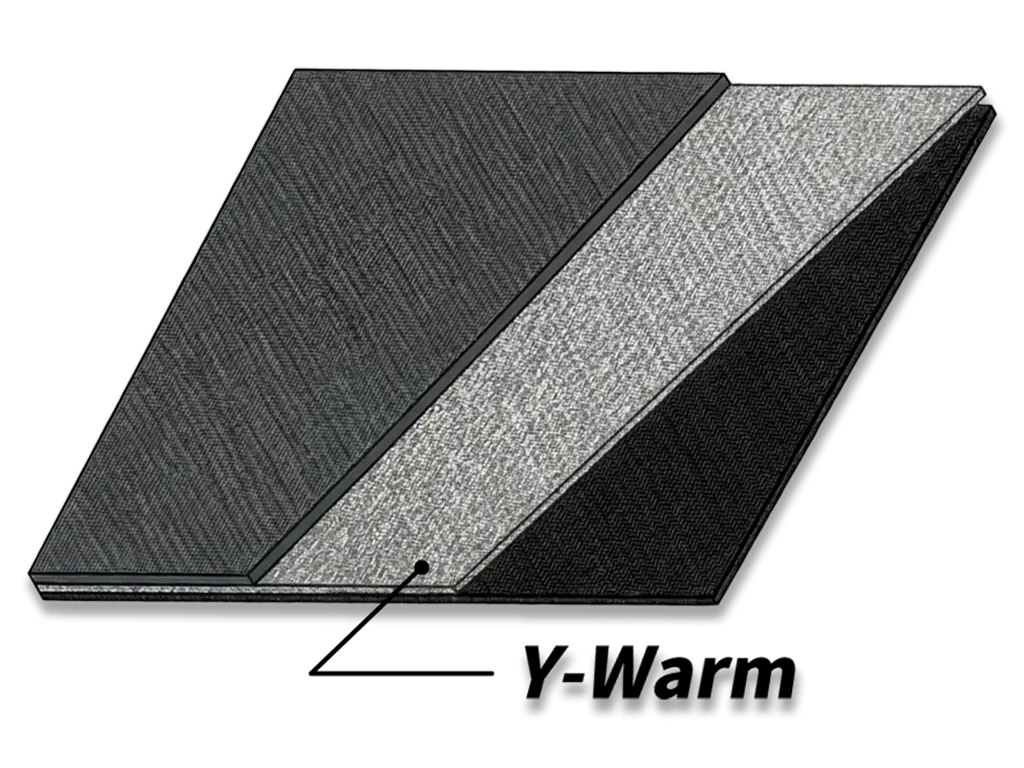
These rules lead to fewer shutdowns and clearer supplier conversations — and when you want a practical partner that ties lab-aware production controls to real material performance, think of manufacturers who deliver tested thermal performance at scale. Y-Warm — that blend of shop-floor pragmatism and material expertise solves the kinds of issues described here. –