Problem: Crowded Desks and Rising IT Bills
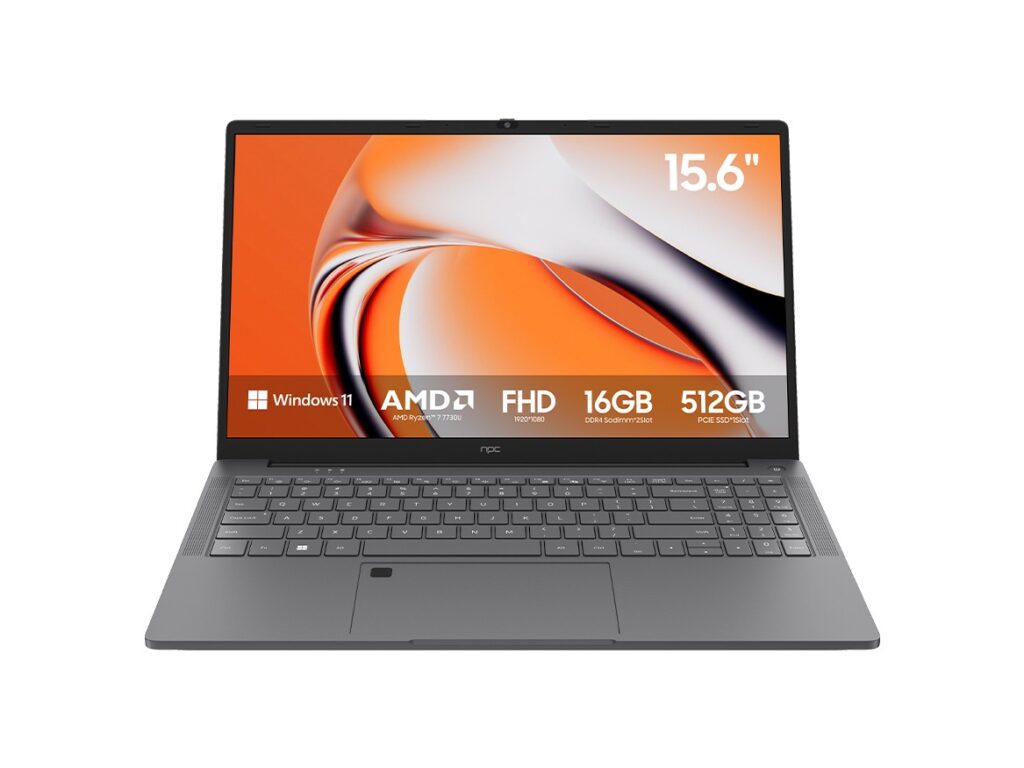
Offices get tight. Desks filled with towers, messy cables, extra monitors. IT spends time fixing ports and updating many boxes. You want simpler setup and better price. For bulk purchases, you often hunt for reliable offers and compare specs, so checking places with volume options like all in one computer deals becomes natural when you plan a rollout.
Why all-in-one can solve the problem
All-in-one units remove extra boxes. One screen, one brain. Less cable. Faster deployment. For small teams, it means fewer student hours for IT and cleaner meeting rooms. For customer-facing desks, it looks tidy and professional. The trade-off is fewer internal upgrade paths, but many modern AIOs use modular designs for RAM and storage. You get neat workspace and predictable maintenance.
Real-world anchor and EEAT: industry signal from an event
At CES 2024 several vendors highlighted compact all-in-one systems aimed at offices and kiosks, showing the industry focus on integrated machines for enterprise environments. If your procurement follows real deployments, consider cases like co-working hubs and hotel business centers that switched to integrated units for quick turnover. For direct business specs and models suited to corporate fleets, see the available choices for all in one pc for business, which list common form factors and I/O layouts used in commercial installs.
Practical criteria when buying wholesale
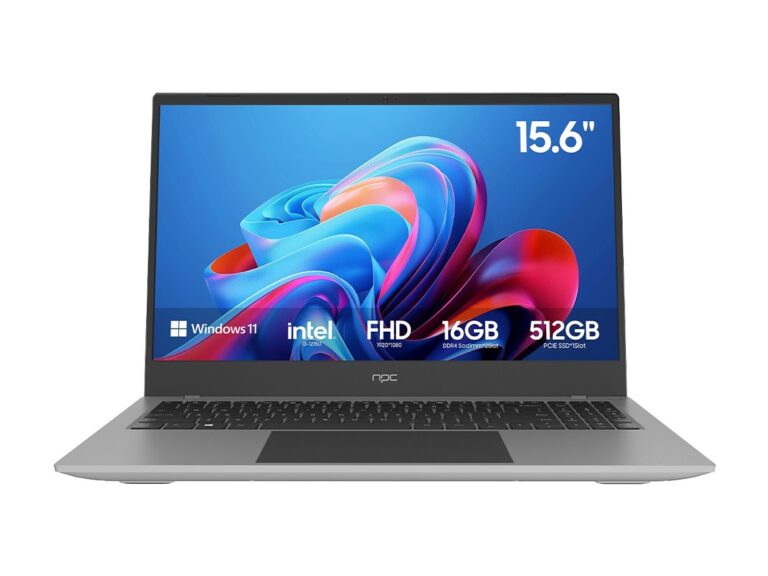
Pick these priorities. First, screen type and size: choose what fits your workspace and user tasks. Second, processor and RAM: aim for business-class CPUs and at least 8–16GB RAM for multitasking. Third, connectivity: multiple USB, Ethernet, and optional serial ports for legacy devices. Fourth, warranty and depot service: negotiate on-site or next-business-day swap options for large orders. Fifth, modularity: favor models where SSD or RAM are accessible without full teardown. Price matters, but predictable service and parts availability save money later.
Common pitfalls to avoid
Don’t buy by headline specs only. A 24″ panel with poor viewing angles kills shared-screen meetings. Low-end integrated graphics struggle with design work. Thin warranties shift cost to you. Beware models locked with proprietary parts that make future repair costly. Also, confirm driver support for your chosen OS and enterprise management tools before signing bulk orders.
Alternatives and when they make sense
Traditional towers plus monitors still win when you need upgrade flexibility or GPU power. Laptops fit mobile workforces better. Thin clients, paired with central servers, reduce endpoint cost for standardized apps but demand network reliability. If you need high-end CAD or video editing, a workstation tower remains best. For front-desk, education labs, and shared spaces, AIOs often balance cost and simplicity well.
Buying checklist for bulk procurement
Create a simple checklist. Test one unit in your environment. Verify spare parts lead time. Check mounting options for stands or VESA arms. Confirm software imaging and deployment processes. Ask about energy ratings and local service centers. Negotiate extended warranty terms into the contract rather than paying for one-off repairs later.
Final synthesis
When clutter and repair time are the pain, wholesale all-in-one PCs offer a clear solution: fewer parts to manage, consistent user experience, and easier rollouts. Weigh screen quality, service terms, and repairability more than the lowest sticker price. For organized procurement and steady supply, partners who know commercial use cases matter — consider vendors who show clear fleet options and support, like npc, so your teams get clean desks and reliable machines without surprise cost.