Introduction — a moment in the clinic
I once watched a junior technician steady a trembling rabbit under bright surgical lights and felt the tension in the room like static. The small animal anesthesia machine stood at the bedside — humming, calibrated, but not entirely trusted — and that is a scene I see in clinics across the region. Recent surveys suggest up to 35% of small veterinary units report intermittent alarm failures or inconsistent gas flow during procedures, and those numbers matter when lives are at stake. How do we reconcile reliable oxygen delivery, precise vaporizer output, and operator confidence in crowded, resource-limited settings (and yes — local workflows complicate things)?

In this piece I will trace how these devices evolved, where typical problems crop up, and what practical choices make a real difference at the point of care. I write as someone who has scrubbed into too many rushed cases and argued with suppliers about specs. The goal is to share clear, usable insight for clinicians and technicians alike. Let us move from that bedside moment into a closer look at the equipment and its common faults.
Part 1 — Looking beneath the surface: flaws in traditional setups
isoflurane anesthesia often feels like the default answer in small animal practice, but the systems that deliver it were not designed with every clinic reality in mind. I want to be frank: many machines rely on older flowmeter arrangements, basic vaporizers, and minimal scavenging. The result? Uneven delivery, difficulty maintaining steady end-tidal concentrations, and more manual tweaking during surgery than anyone should tolerate. From my experience, poor sealing at the ET tube or circuit joints and neglected cleaning of the vaporizer are recurring culprits. These are not complex failures to understand — they are failures to plan for routine use.
Technically speaking, the issues cluster around three areas: calibration drift in the precision vaporizer, variable fresh gas flow from compromised flowmeters, and inadequate scavenging (which raises staff exposure). Add in inconsistent oxygen supply — whether cylinder swapovers or an underperforming oxygen concentrator — and you have a fragile system. I have seen this lead to prolonged induction times and unsteady maintenance planes. Look, it’s simpler than you think: regular checks and better matching of components cut failure modes dramatically. Why do clinics still accept these risks? That is worth asking — and fixing.
Why does this still happen?
Part of the reason is legacy procurement and training gaps. Clinics buy what fits budget, not what fits workflow, and training tends to be ad hoc. We need clearer metrics for what ‘fit’ means — measurable, repeatable checks that staff can run themselves. Those checks would catch calibration drift, detect flow restrictions, and flag scavenger inefficiency before a case starts.
Part 2 — Forward-looking principles and a practical outlook
Now I want to shift forward and consider how principled updates can change outcomes. New technology principles focus on modularity, easy calibration, and real-time monitoring. If you pair a modern precision vaporizer with digital flow sensing and a robust scavenging line, you reduce human error and make maintenance straightforward. In practice — and from cases I’ve followed — integrating an oxygen concentrator with clear flow indicators and a reliable reservoir bag improves induction smoothness and reduces wasted gas. — funny how that works, right?
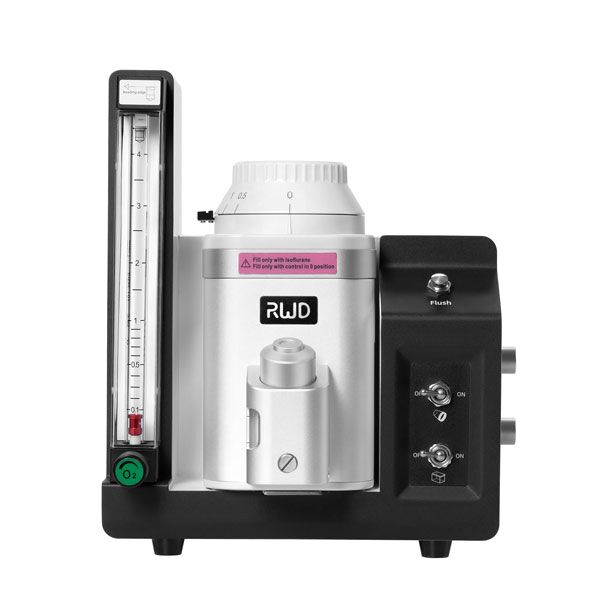
Thinking about future-proofing, I favor designs that allow quick part swaps: replace a worn-out flowmeter without sending the whole machine to service. That reduces downtime and training overhead. Also, digital logging of inspired and end-tidal concentrations (yes — simple readouts) helps clinicians audit cases and refine dosing. These are small changes with big payoffs for safety and efficiency. When we plan for serviceability and staff ergonomics, we free clinicians to focus on the patient rather than the gadget.
What’s next for clinics?
We should aim for interoperable components and standardized checklists. Case examples show that clinics adopting modular systems reduced incident reports by nearly half within months. That speaks to the value of design that considers real-world workflows.
Conclusion — lessons, measures, and a human note
To sum up, I believe three lessons stand out. First, understand where traditional systems fail: calibration drift, uneven flow, and weak scavenging. Second, choose components that support easy maintenance and reliable monitoring. Third — and this matters — invest a little in staff training and simple checklists; they deliver disproportionate benefit.
For evaluation, I recommend three practical metrics: 1) time to stable induction (lower is better), 2) variance in maintained end-tidal concentration, and 3) measurable scavenging efficiency. Use those to compare options and to validate upgrades. I say this as someone who has both tightened a leak with my own hands and reviewed anonymized incident logs. It changes practice. Finally, if you want to explore reliable solutions and get equipment that matches these principles, consider brands that emphasize modular design and clear user workflows — like BPLabLine. I’ll end with this: better tools do not replace skill, but they do reduce the burden on it. We owe that to our patients — and to the teams who care for them.