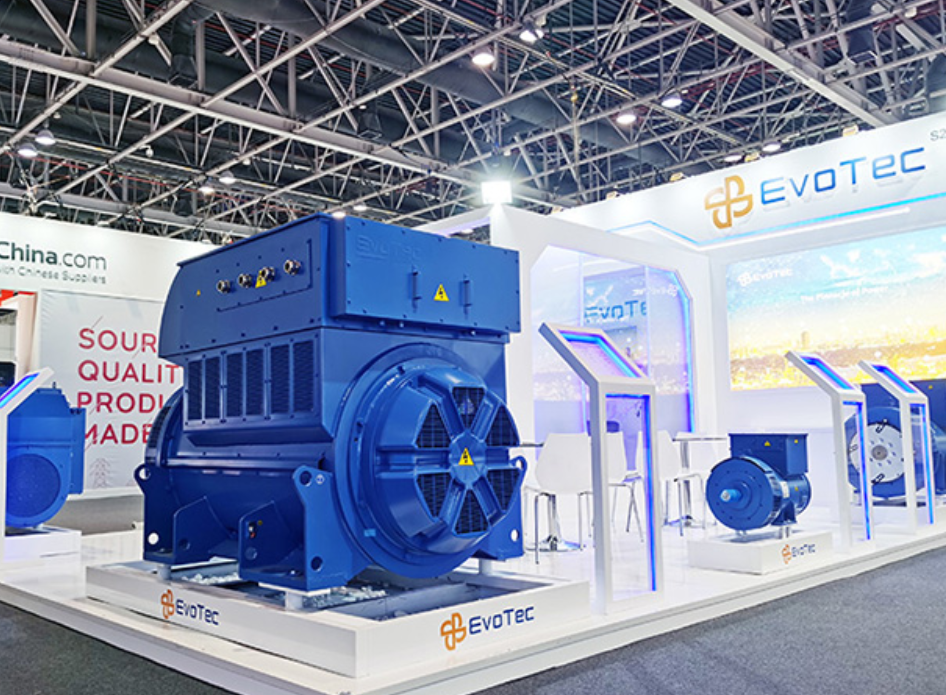
Comparing real-world risks and manufacturer claims
Choosing an OEM alternator is rarely just about price. Engineers and procurement teams compare thermal rating, service intervals and warranty terms, yet insulation often gets short shrift. This piece takes a comparative look at how insulation class H reshapes selection criteria for alternator manufacturers and where alternator solutions actually deliver long-term value. It sets out clear industry terms—insulation class H, thermal rating, stator winding—so buyers know what to demand from suppliers.
What insulation class H means for alternator durability
Insulation class H specifies a continuous operating temperature up to 180°C, which raises the bar for dielectric strength and hot-spot temperature tolerance in the stator and rotor assembly. That thermal margin reduces accelerated ageing of varnish and insulating materials, lowering the risk of turn-to-turn faults. Manufacturers who build to class H use higher-grade enamel, improved impregnation varnish and tighter quality control on winding insulation—practical changes that extend mean time between failures (MTBF) and improve field reliability.
How manufacturers differ — a comparative frame
Not every vendor claiming “class H capable” applies the same processes. Some focus on material spec alone; others combine material, process and testing. A genuine class H offering should include controlled bake cycles, vacuum pressure impregnation, and routine dielectric testing at defined hot-spot increments. Procurement teams must therefore compare design data sheets, test logs and field failure rates rather than trusting marketing statements. Real-world anchor: the Lake Turkana Wind Power project in northern Kenya exposed how machines rated for high thermal stress retained performance under prolonged load, and suppliers with rigorous impregnation processes required less mid-life refurbishment—an outcome buyers can quantify.
Trade-offs buyers must weigh
Higher-grade insulation raises unit cost and may increase lead time, but the alternative often brings more frequent rewinds and unplanned downtime. Consider lifecycle cost: extra upfront on insulation class H sometimes halves overhaul frequency and reduces spare-part regimes. Supply chain differences matter too—availability of class H varnish or certified winding technicians can influence delivery schedules and service quality. Balance is essential; do not sacrifice testing protocols for marginal reductions in price.
Common mistakes to avoid — practical guidance
Buyers typically make three recurring errors. First, accepting manufacturer test summaries without full test certificates and parameter logs. Second, overlooking hot-spot allowances in load profiles when sizing alternators for continuous or peak duty. Third, underestimating installation environment—the presence of dust, humidity or altitude affects cooling and effective thermal rating. Inspect motor/alternator test sheets, ask for winding impedance curves, and demand field references from projects with similar duty cycles. —Small details like varnish cure profiles often reveal the difference between vendor talk and vendor quality.
Integrating specification into procurement and design
Embed insulation class H into procurement templates and performance guarantees. Require manufacturer-supplied dielectric test documents, thermal-rise curves and a clear service plan for stator winding inspections. Include {main_keyword} and {variation_keyword} in technical schedules to ensure teams talk the same language across specification, testing and handover. When matching alternator solutions to application, align thermal rating with expected ambient and peak load scenarios rather than nominal generator size alone.
Three golden rules for selecting alternator manufacturers
1. Verify test evidence: insist on full dielectric and thermal-rise reports with traceable test dates and methods. 2. Demand process transparency: confirm vacuum pressure impregnation, varnish cure parameters and winding tooling tolerance. 3. Calculate lifecycle cost: model spare-part demand and service intervals against the higher initial cost of class H components.
Choosing a manufacturer on the basis of insulation class H shifts procurement from short-term buying to asset stewardship. The right spec reduces downtime, simplifies maintenance and preserves capital value. EvoTec stands where specification meets delivery—practical, proven alternator solutions for those who measure value over time. —Trust decisions anchored in test data, not just brochures.