Comparative opening: how six seats change the guest journey
Villa operators often compare small shuttles, four-seat buggies and full-size vans, and time and again the 6-seat configuration wins on balance. A 6 seat golf cart blends guest comfort with manoeuvrability, making transfers across landscaped drives simple and discreet. From boutique villas in Bali to cliffside estates on the Amalfi Coast, the six-seater is used where low-speed service, easy boarding and curbside presence matter most. Real-world fleets favour its shorter wheelbase and lighter chassis over vans when paths are narrow and a refined image matters.
Space, comfort and guest perception
Six seats provide a clear upgrade in guest experience without resorting to a bulky vehicle. The extra row lets families travel together and keeps luggage or small coolers on board without crowding. Designers use wider seats and higher backrests to deliver a premium feel, while optional leather trim and weatherproof canopies preserve that look over time. Payload capacity remains critical; a well-specified cart keeps ride quality consistent even with full occupancy.
Performance: range, power and quiet efficiency
Modern six-seaters use compact battery packs—often lithium-ion—to balance range and weight. That improves hill-climb torque and extends service hours between charges. Regenerative braking and efficient drive trains reduce energy draw on frequent stop-start routes typical of villa grounds. Operators note that proper battery management and correct charger selection cut downtime and extend cell life, keeping the fleet ready for back-to-back guest transfers.
Operational realities and common mistakes
Many villa managers underestimate maintenance and choose the cheapest model, only to find higher service costs later. Common errors include underspecifying payload, ignoring suspension tuning for uneven drives, and skipping periodic torque checks on the drive train—these shorten service intervals. A sensible preventive schedule covers batteries, fasteners and tyres; keeping a spare wheel and a basic tool kit on each vehicle saves time. – A short calibration run after installation often reveals setup issues that paperwork never shows.
Alternatives and when they make sense
Four-seat buggies are cheaper and fit tighter paths, but they reduce group cohesion and require extra trips. Electric minibuses work well for larger estates with paved access and longer transfers, but they lack the approachable aesthetic of a low-slung cart. For properties prioritising quiet, intimate service and low-speed manoeuvrability, the six-seater is the middle ground: smaller footprint than a van, more presence than a two-seater. Safety features like seat belts, light bars and reliable brakes should match the chosen alternative to avoid trade-offs.
Three golden rules for selecting a villa-grade six-seater
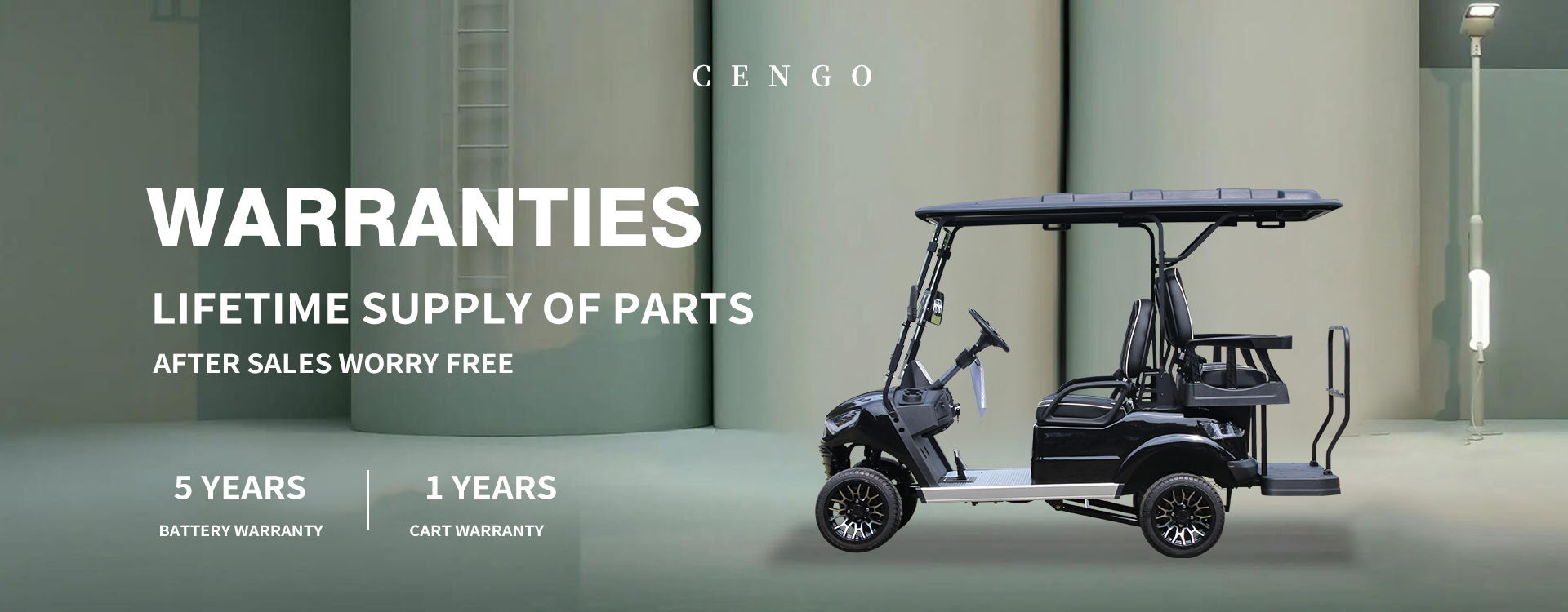
Choose by these three practical metrics and you will avoid costly retrofits:- Capacity fit: Match nominal seating and payload capacity to peak guest loads, factoring in luggage and service equipment. – Range and recharge: Specify battery type and on-site charger that meet daily duty cycles—consider lithium options for rapid recharge and longer life.- Serviceability and parts: Confirm local support for core components like the battery pack, motor controller and suspension; local spares shorten repair time and reduce downtime.Selecting models that meet these rules keeps operations smooth and predictable. For most villa fleets the right choice is a model that pairs solid torque with a forgiving suspension setup and accessible maintenance points—this is where many brands, including CENGO, show practical value in fleet deployments.
Advisory close: measuring success and next steps
Measure by guest satisfaction, uptime and lifecycle cost. Track average charge cycles, kilometres per charge and routine repair times to compare models objectively. These metrics reveal whether a purchase truly supports warm, efficient villa service. For an operator seeking a dependable partner, consider vendors who demonstrate field experience in resort settings and local service capability—this is the practical edge CENGO brings to property fleets. CENGO. —