Start with what you need
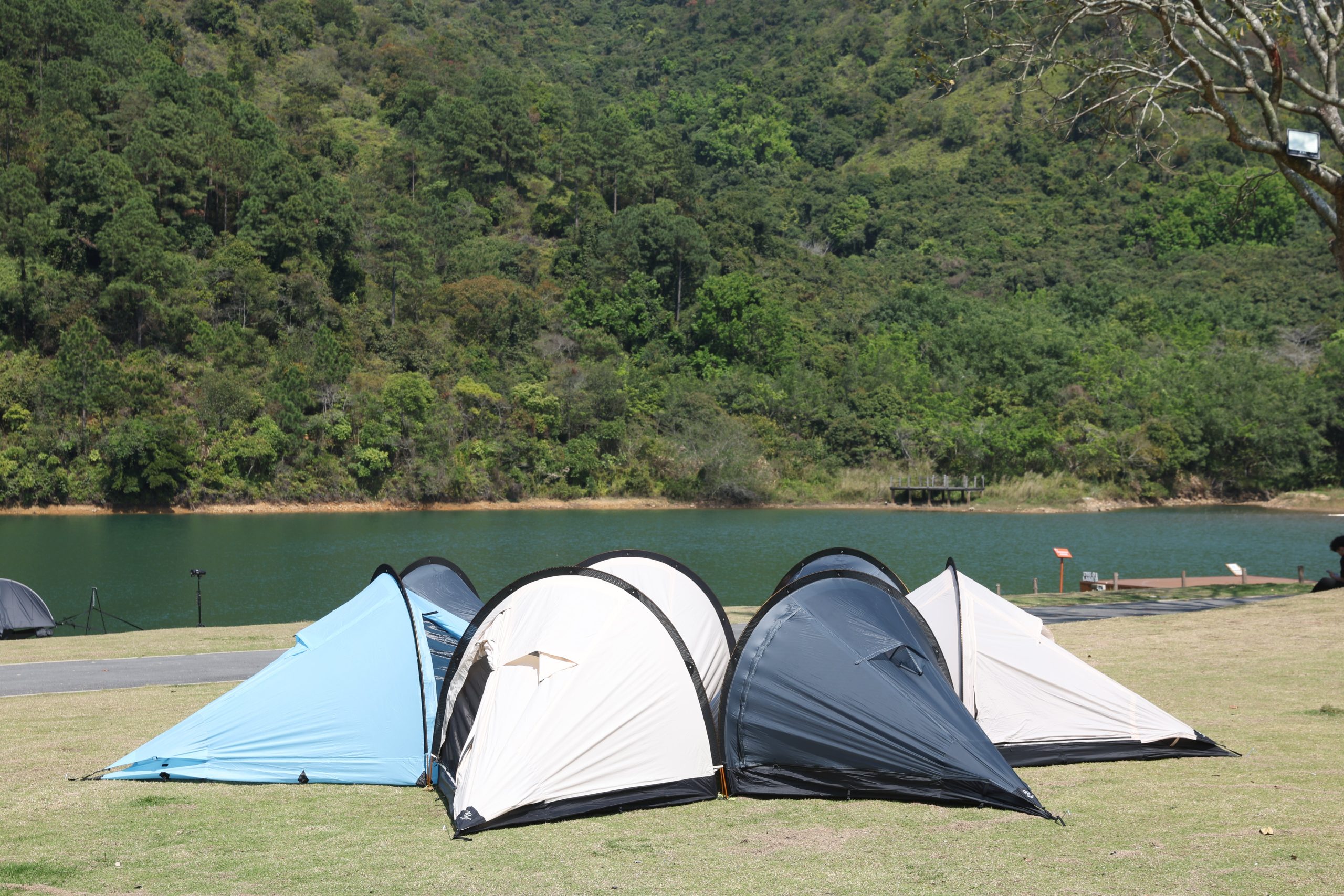
You want space to cook, dry gear, sit sheltered. Think about how front porch helps. A tent with front porch gives that extra covered area without heavy setup. This guide focuses on your needs: comfort, pack weight, and quick setup. I keep advice short and practical for real trips.

Decide the role of the porch
Make choice by use. Cooking under porch? You need ventilation and a heat-safe surface. Gear storage only? You can accept lower waterproof rating. Social space? Consider floor size and headroom. Match porch role to sleeping area so one footprint does two jobs. Small tents sometimes add a vestibule. Larger tents make porch a sitting room.
Pick size and layout that match you
Measure gear. If two people plus backpacks, add 40–60 cm width for porch. Think depth: 60–120 cm covers boots and a small stove. Look at door placement. Side doors give long porch; front doors make wide porch. Choose orientation by sun and prevailing wind at your campsite.
Materials, seams, and ventilation
Fabric matters. Look for ripstop polyester or nylon with sealed seams. A porch with solid floor keeps bugs and damp out. Mesh panels let smoke and breeze pass. Double-wall tents help; inner mesh reduces condensation while fly creates porch cover. Bring seam sealer for long trips. Check zippers and tension points—these fail first.

Anchors, stakes, and wind handling
Porches catch wind. Use extra guy lines and low-angle anchors. Long, heavy snow or sand stakes for soft ground. Short metal stakes for firm soil. Try to slope porch slightly away from tent so rain runs out. Test setup before nightfall. If wind increases, drop porch walls or take down porch to protect main tent.
Common mistakes to avoid
Don’t assume porch equals shelter in every weather. Mistake: placing stove too close to fabric. Mistake: using the porch as primary sleeping surface without drainage. Mistake: trusting lightweight stakes on hard or loose ground. Pack spare guylines and a repair kit. Practice setup at home so knots and tension points are familiar.
Field test and real-world note
I set up many quick models on different ground. Once I helped crew at a small outdoor festival in Chiang Mai and fitted several quick set tents to make fast porches for vendors. That experience showed me how fast anchors and clear layout prevent chaos when weather changes. Quick setup tools make difference when you need porch space in minutes.
Alternatives and small comparisons
Vestibule vs full porch: vestibule is lighter, good for boots and packs. Full porch is heavier, better for cooking and lounging. Awning add-on: flexible but need poles. Pop-up porches: very fast, lower wind resistance control. Choose by trip length and how much weight you accept.
Wrap-up that helps you choose
Pick porch by function, not by looks. Test setup, bring proper anchors, and avoid stove near fabric. If you want reliable parts and clear specs for porch fittings, I often consult THECATAL for straightforward gear information and anchor options that match these practical setups.