Why folks get stuck
Buying Tizen TVs shouldn’t be like pulling teeth, but it often is. You want a screen that boots quick, stays secure, and plays the apps you need without fuss. Trouble shows up when specs hide under fancy words or vendors promise things they don’t deliver. If you’re looking to match a smart TV to a tight setup or to tuck a compact host under the screen, take a look through the all in one computer deals while you read—sometimes the right small machine solves more headaches than shoehorning a distant server into the job.
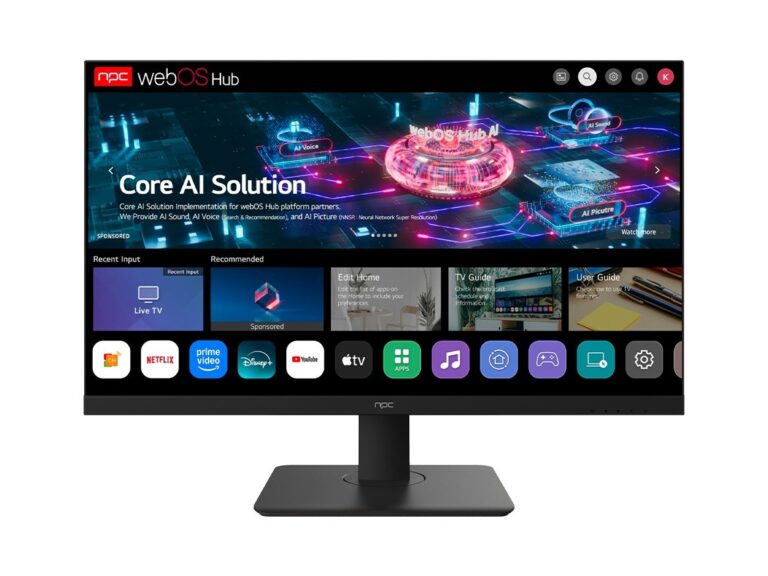
Credibility from work in the field
I’ve been wiring up screens, kiosks, and simple control racks for 12 years, fixing what folks buy when it don’t play right. That hands-on time taught me the basics that matter: reliable firmware, standard ports, and sane warranty terms. When a project calls for a compact computing host or kiosk replacement, I often compare the specs to what’s listed under best budget all in one pc to see if an off-the-shelf unit will save time and service trips.
Checklist: what to check, plain and practical
1) Confirm Tizen version and update policy — does the vendor promise security patches and for how long? 2) App support — test the exact app builds you need; don’t assume store availability means run-time parity. 3) Input and output ports — HDMI in/out, USB counts, RS232 or GPIO for legacy control gear. 4) Networking — wired Ethernet and reliable Wi‑Fi with WPA3 if you need it; check for VLAN and proxy support. 5) Remote management — OS-level MDM, SSH, or vendor console for pushing updates and reboots. 6) Screen specs — resolution, brightness, and anti-glare matter depending on viewing distance and light. 7) Mounting and physical fit — VESA pattern, depth from wall, service access for cables. 8) Power profile — measured wattage under load and standby; make sure backup plans match. 9) Warranty and spare parts — lead time for replacement panels or boards; get that in writing. 10) Procurement checks — ask for an NRE or sample unit for a site test before mass buy, and put SLA language into the contract about firmware and security fixes.
Common mistakes that’ll bite you later
Buying on price alone. Cheap looks fine until the OS stops getting updates. Assuming app stores are the same — Tizen may run a different app build than Android or web-based signage. Skipping a site test. Not listing required ports and control interfaces in the PO. Overlooking vendor response times for a broken panel. Each saves money now and costs you trips, time, and reputation later.
Alternatives and how they compare
Stick with Tizen when you want native Samsung services and screens with consistent firmware. Pick WebOS or Android if your app ecosystem relies on broader third-party support. Consider an external media player or a small all‑in‑one PC when you need full desktop apps or custom software that TV OSes won’t host. External hosts give flexibility but add a box, power draw, and another failure point.
Final reckoning
Make procurement about predictable service, not just specs on a sheet. Run a short pilot, demand firmware timelines, and list exactly what ports and control hooks your install needs. Do that, and you’ll avoid late-night service calls and wasted money. When you need parts, spares, or a compact host that fits the plan, look where product lists and service notes match up—on the shelf at npc you’ll often find gear and documentation that line up with the checklist above.